
Melbourne runs on coffee, deadlines, and the quiet confidence that your drill bit won’t hit something expensive. The moment you punch into a slab blind, though, you gamble with rebar, live conduits, and post-tension cables that sit there like hidden tripwires.
I’ve watched great projects turn into stress-fests because someone treated concrete like it’s just “solid grey stuff”. One wrong core can spark shutdowns, repairs, and awkward phone calls that start with, “So… we might’ve clipped a cable.”
If you want a smarter start, I point people to a Professional Concrete XRay Service in Melbourne before any cutting, coring, or drilling. You trade a bit of prep time for clarity, and you keep the whole job moving like a well-planned tram run.
Here’s the truth most plans won’t tell you: Melbourne buildings love surprises. Fit-outs stack new services over old ones, renovations “move” pipes, and as-built drawings can miss changes from ten years (or ten tenants) ago. So when you drill, you often drill into history.
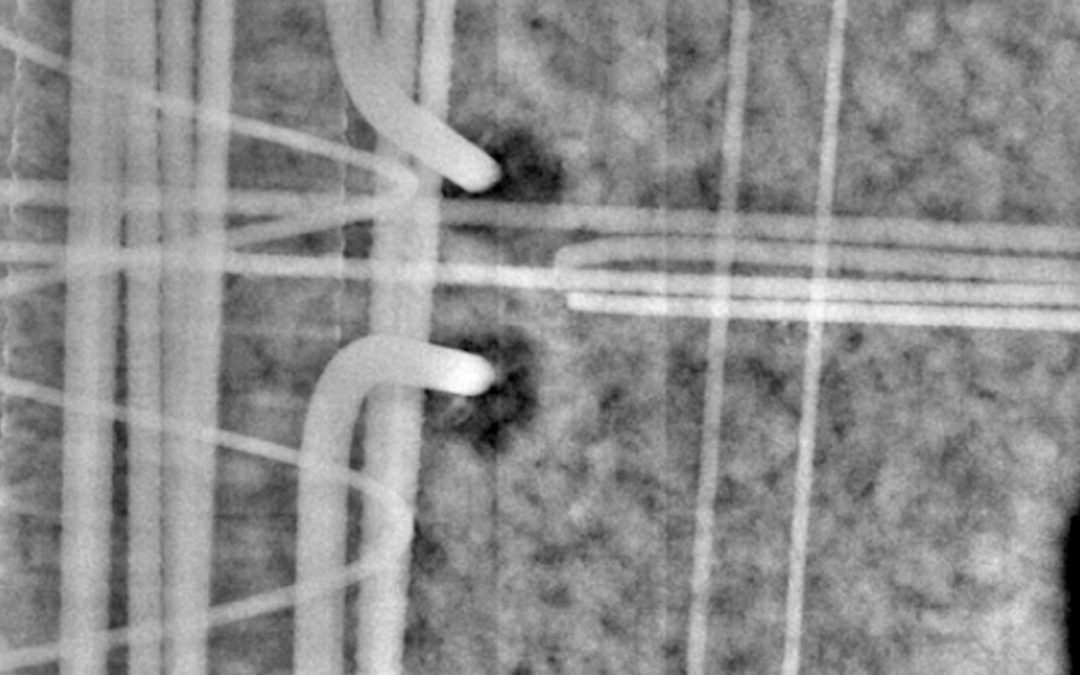
Concrete XRay lets me “see” that history. I use it to capture a crisp picture of what sits inside the concrete steel reinforcement, conduits, and voids so you can choose drilling points with confidence instead of vibes.
Now, I won’t pretend X-ray imaging fits every job. I reach for it when I need high-detail answers, when the slab holds dense reinforcement, or when radar scans feel like reading tea leaves during a Melbourne downpour. When I need certainty, I choose the method that gives me a clean, readable image.
Let’s talk about the damage domino, because it rarely stops at “oops”. If you hit a live electrical conduit, you trigger safety risks, outages, and an instant schedule wobble. If you nick a water line, you add water damage and cleanup to your to-do list congrats, you just invented an indoor pool.
And if you strike a post-tension tendon, you can invite bigger trouble. Those tendons store serious force, and a risky cut can lead you straight into engineering reviews, specialist repairs, and a very grumpy superintendent with a stopwatch.
Because Concrete XRay involves radiation, I treat safety like the main event, not an afterthought. In Victoria, the regulator licenses people who manage radiation practices, so I always plan scans the professional way and follow the rules outlined on the Victorian Government’s radiation safety information page.
What I mean when I say “Concrete XRay”
I run Concrete XRay like a photo shoot for your slab. I place an X-ray source on one side, a detector (film or a digital plate) on the other side, and I capture a radiograph that shows density changes. Dense materials show up clearly, so you can map steel and spot services with less guesswork.
The real reason X-ray scanning saves money
You don’t pay for the scan because you love fancy gear. You pay for it because you hate rework.
When I scan first, you:
– avoid hitting reinforcement that keeps the slab doing its job
– protect electrical and hydraulic services that keep the building alive
– stop “small mistakes” from snowballing into delays, variation claims, and rescheduling trades
Where I see Concrete XRay shine around Melbourne
I lean on radiography in places where precision matters and surprises cost more: commercial fit-outs in the CBD/Southbank, hospitals and labs, packed plant rooms, and refurb jobs where nobody trusts the drawings.
Concrete XRay vs other concrete scanning methods
I like tools that match the problem. Some days I want speed. Other days I want clarity. Sometimes I want both, and I layer methods like a good outfit.
| Method | What I use it for | What it finds well | What it struggles with | How it affects your site |
|---|---|---|---|---|
| Concrete XRay | High-precision imaging when I can access both sides | Rebar patterns, dense steel, overlaps, some voids | Jobs where I can’t reach the underside; tight sites where I can’t control an exclusion zone | Slower and more controlled |
| GPR (ground-penetrating radar) | Fast scanning across bigger areas | Metal and non-metal targets, plastic conduits, general mapping | Noisy data in very dense reinforcement; interpretation can vary | Fast with minimal disruption |
| Cover meter / induced-current locator | Quick checks on cover and steel | Rebar location and cover depth | Non-metal services and deeper targets | Very low disruption |
| EMI / cable locator | Service tracing (especially metallic) | Metallic conduits and some live services | Plastic pipes and complex layered slabs | Low to medium disruption |
If you’re thinking, “So which one should I book?” I’ll give you the simplest rule I know: use Concrete XRay when you need the sharpest picture and you can access both sides; use radar when you need speed, coverage, or slab-on-ground scanning.
The damage domino: what “one wrong hole” can turn into
When you drill blind, you don’t just risk one item—you risk the chain reaction.
| What you hit | How often I see it on busy sites | How bad it gets | Why it hurts (fast) |
|---|---|---|---|
| Rebar | Medium | Medium | You weaken reinforcement and relocate holes |
| Electrical conduit | Low to medium | High | You risk shock, shutdowns, rework, and compliance headaches |
| Water or hydraulic line | Low | High | You flood, you dry, you repair, you argue about who pays |
| Post-tension cable | Low | Very high | You trigger structural checks and specialist repair work |
How I run a Concrete XRay job
I start by asking what you plan to install: core size, fixing depth, and “must-hit” locations. Then I confirm access on both sides of the slab, set up safety controls, clear the area for each exposure, capture the images, and mark safe drilling zones on the surface.
A tiny checklist that prevents big, expensive drama
You can make scanning even more useful with a few simple moves:
– send drawings, even if they feel sketchy (they still help me plan)
– tell me the exact penetrations you want (diameter and location)
– keep the underside accessible where you can (that keeps radiography on the table)
– run a quick “permit to core” sign-off so one person owns the call
– treat marked zones like gospel, not suggestions
Conclusion
Concrete XRay gives you a clear look inside the slab, so you stop guessing and start drilling with confidence. When you scan first, you protect cables, pipes, and reinforcement, you keep your program steady, and you avoid the kind of damage that makes grown adults swear in the site shed.
If you’ve got coring, cutting, or drilling coming up in Melbourne, book a Concrete XRay scan before you touch the concrete. Share your penetration plan, lock in a time, and I’ll help you keep the job smooth, safe, and proudly drama-free.
Frequently Asked Questions
Do I always need Concrete XRay, or can I use radar?
I choose Concrete XRay when I need the clearest detail and I can access both sides of the slab. I choose radar when I need speed, broader coverage, or slab-on-ground scanning.
Does X-ray scanning find plastic conduits?
It can, but results vary with thickness and layout. When plastic services matter, I often pair scanning methods so you don’t guess.
How accurate does X-ray scanning get for locating rebar and conduits?
It gives very clear images of dense items, and that clarity helps you place cores and fixings with confidence.
How long does a scan take?
Time depends on access, thickness, and how many exposures you need.
Do I need to clear the area during scanning?
Yes. I set up a controlled exclusion zone during each exposure, then I reopen the site once I finish that shot.
Can scanning replace as-built drawings?
No. I use drawings as a starting point, then I confirm the reality on site and mark safe drilling zones you can trust.
Can you scan a slab-on-ground with X-ray scanning?
Radiography needs access to both sides, so slab-on-ground makes it tough. I usually switch to other concrete scanning methods for those slabs.
What should I do before the scanner arrives?
Clear the work zone, confirm access below if you have it, and share any drawings and penetration locations.
How much does X-ray scanning cost in Melbourne?
Costs change with access, area, and safety setup. I recommend a site-specific quote so you pay for the right scope.