
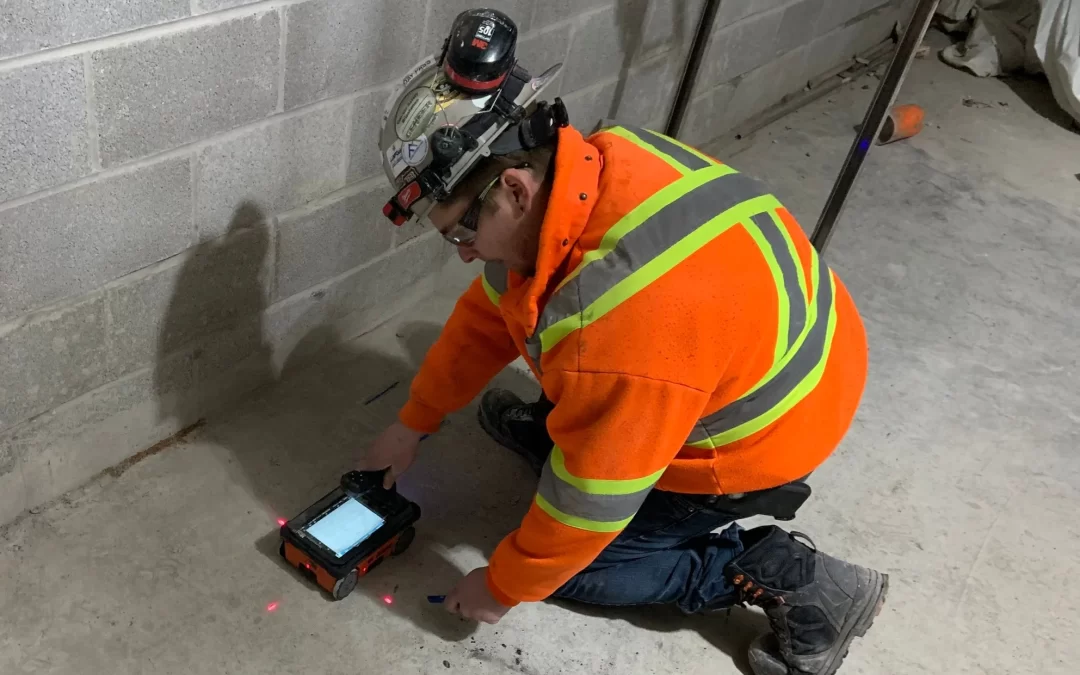
Ever drilled into your concrete only to hear a dreaded clank? That surprise rebar or buried pipe could turn a small job into a big headache, especially in a city like Melbourne where old buildings mix with new wiring. Think of slab scanning as an X-ray for your floor – giving you eyes inside the concrete.
In this guide, I’ll walk you through everything you need to know about slab scanning, from how it works to what it costs in Melbourne, and why it’s absolutely worth it.
What is Slab Scanning?
Slab scanning (or concrete scanning) is a non-destructive test that uses advanced detectors to reveal what’s hidden inside a concrete slab before cutting or drilling. It lets you spot steel rebars, post-tension cables, electrical conduits, plumbing pipes or voids buried in the concrete. In practice, we sweep the scanner over the surface and it creates a map of any embedded objects. It’s basically X-ray vision for construction.
Why bother? Safety first. Slab scanning spots live wires, gas lines or hidden steel before you start work, protecting your crew (and your wallet) from accidents and big repair bills. It also keeps the project moving: knowing exactly where to cut (and where not to) avoids costly delays.
I’ve seen it save jobs in Melbourne for example, on one renovation a scan flagged a hidden water pipe so the crew didn’t flood the site. Slab scanning turns uncertainty into certainty. I always call a Professional Slab Scanning Service in Melbourne to do it right. The experts mark every hidden bar, cable or pipe so I can drill and cut with total confidence and zero nasty surprises.
How Slab Scanning Works
Ground-Penetrating Radar (GPR) is the main technique. A GPR unit sends radio pulses into the slab and listens for echoes. When the waves hit something solid, they bounce back and the machine plots an image of what’s inside. Think sonar for concrete. It’s fast, non-invasive and safe – no radiation or drilling needed.
Other common scanning tools include:
- Ground-Penetrating Radar (GPR): Sends radio waves into the slab and maps what’s down there (rebar, voids, pipes, etc.). No radiation – just pulses and echoes.
- Magnetic / Electromagnetic Locators: Handheld devices that find metal by sensing its magnetic or electrical field. They quickly confirm steel reinforcements or cables that GPR detects.
- Concrete X-Ray: Uses X-rays to create a detailed image of the slab’s interior. It shows everything crystal-clear, but requires strict safety gear and a licensed operator, so it’s only used for very high-risk or high-precision work.
Regardless of the method, the key is: the slab stays intact. You get a full picture of hidden hazards without cutting any concrete.
Cost of Slab Scanning in Melbourne
How much does a slab scan cost in Melbourne? It varies, but expect somewhere around $800–$1,200+ for a small-to-medium area (like a couple of rooms). This typically covers the scanner’s time and a basic site report.
Most companies charge a call-out fee (around $300–$400) plus an hourly rate (often about $200–$250/hr). For example, one Melbourne provider lists roughly a $350 call-out fee, $225/hr thereafter, and about $200 for the scan report.
| Service Component | Cost (AUD, approx.) |
|---|---|
| Call-out fee | $350 + GST |
| Hourly rate | $225 + GST |
| Full 8-hour day rate | $1,200 + GST |
| Slab scan report | $200 + GST |
Of course, every job is different. A larger or thicker slab, congested reinforcement, or a rush service can push the price up (more time or equipment needed). For very large slabs or industrial projects, total scanning costs can climb into the low thousands – but that’s still a small share of any project budget.
Remember: spending a few hundred or a couple thousand on a scan can prevent a single mistake (like hitting a water pipe or a power cable) that might cost tens of thousands. It’s cheap insurance.
Benefits of Slab Scanning
Slab scanning delivers major upside for any concrete project. Here’s why it’s a game-changer:
- Safety: Avoid hidden utilities or steel and keep everyone safe.
- Cost Savings: Prevent expensive damage or delays. A scan costs far less than a major repair.
- Efficiency: Work faster by knowing exactly where you can cut or drill. No wasted time or guesswork.
- Design Insight: Get precise info on slab thickness and reinforcement for better planning.
- Regulatory Compliance: Demonstrate you took precautions. A scan report shows you identified hazards ahead of time, which helps with safety inspections and insurance.
- Peace of Mind: You’ll know you’ve done your due diligence. No surprises, and no awkward insurance claims.
Think of it like a GPS for your drill – it guides your tools safely through the slab.
Safety and Regulations
Slab scanning itself isn’t mandated by law, but it ties directly into safety regulations. Any concrete cutting or excavation must have risks controlled, and inspectors expect buried services to be located first. In fact, Safe Work Australia’s Excavation Code of Practice explicitly recommends using tools (like GPR or cable locators) to identify underground utilities before digging.
Using a professional scan means you’ve covered your bases – you’ll mark every hazard and have a report to prove you followed safety guidelines. After all, hitting a live cable or pipe can mean huge fines, downtime or injury; in that light, a slab scan is cheap insurance.
Conclusion
I know slab scanning adds a step (and a small cost) before work, but consider it quality insurance. In my experience, projects always run smoother and safer when the team knows what’s in the slab upfront. If you’re drilling, coring or cutting concrete in Melbourne, investing in a slab scan is one of the smartest moves you can make.
Think of it as cheap insurance: the money saved from avoiding mistakes and the safety benefits far outweigh the cost. Ready to drill with confidence? Reach out to a qualified slab scanning provider and map out hidden dangers before you start your next job.