
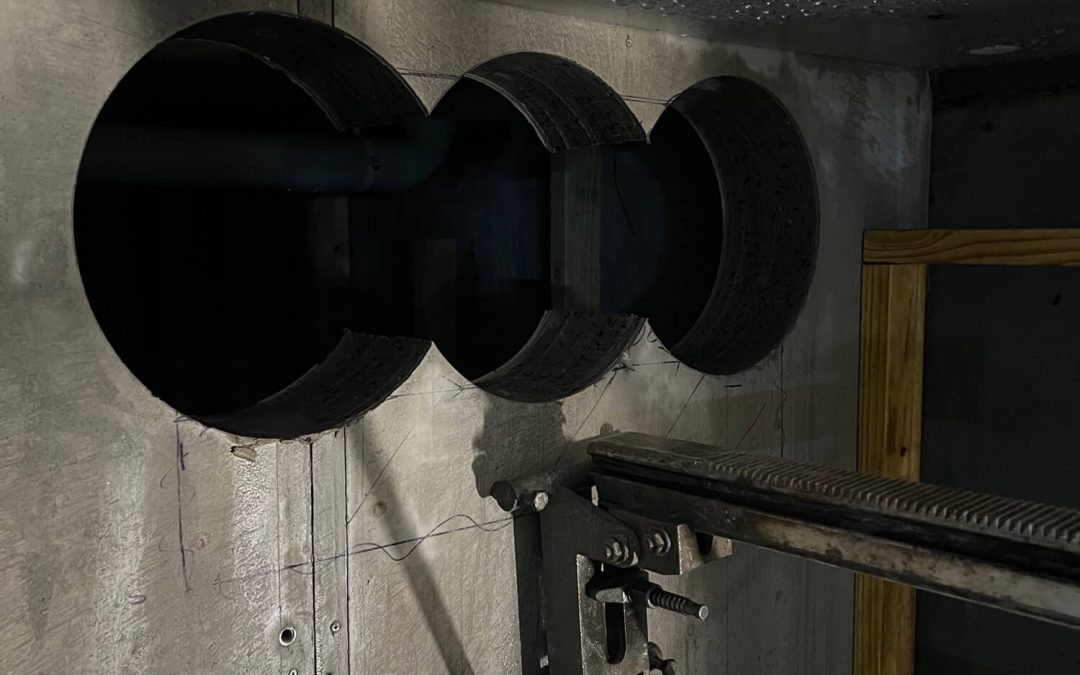
Modern Melbourne buildings rely on data cables for almost everything, from fast office networks and Wi-Fi infrastructure to security systems, smart building controls and connected devices. Yet behind all that clever technology sits a very practical challenge: how do you get the cables from A to B without turning the building into a construction site forever? That is where I see precision Data Cabling core drilling make a real difference.
When I plan a cable pathway through concrete walls, floors or slabs, I do not want oversized openings, cracked surfaces or a messy route that makes the next trade swear under their breath. I want a clean, accurate penetration that gives the cable installer exactly the access they need. With Data Cabling Core Drilling, I can create controlled openings that support neat routing while helping the wider project stay organised.
I think of core drilling as giving a data cable its own carefully designed doorway. Instead of forcing cables around awkward structural elements or hacking through concrete with rough methods, I can create a precise pathway in the right location and diameter. That approach suits office fit-outs, apartments, commercial upgrades, industrial spaces and renovation projects across Melbourne where every centimetre can matter.
What Is Data Cabling Core Drilling?
Data cabling core drilling involves creating round, controlled openings through concrete and other masonry structures so installers can route communication and network cables through a building.
I use specialist diamond core drilling equipment to drill through the required section with much greater control than traditional breaking or hammering methods. The result gives the cable team a defined pathway for Cat6, Cat6A, fibre optic and other communications infrastructure, depending on the project design.
The real advantage comes from precision. I am not simply making a hole in concrete. I am creating an opening that needs to suit the planned cable route, building layout, cable protection requirements and surrounding services.
That makes core drilling particularly useful when a project demands:
- Accurate cable penetrations
- Clean and professional openings
- Reduced disruption around the work area
- Controlled drilling depths and diameters
- Better alignment between floors or rooms
- Cleaner coordination with electricians, data cablers and other trades
Why Precision Matters in Melbourne Data Cabling Core Drilling Projects
Melbourne construction projects rarely offer endless space. Commercial buildings often pack services into tight ceiling voids, risers, walls and plant areas. Meanwhile, established buildings can present another headache altogether: existing infrastructure.
I have found that a poorly planned penetration can create a chain reaction. One misplaced opening can force a longer cable route, complicate installation, create unnecessary bends or interfere with another service.
A precise opening helps me avoid that domino effect.
It also gives the data cabler a clearer installation path. When I coordinate the drilling location properly, I can help the broader team keep cable runs tidy and predictable rather than improvising once everyone has arrived on site.
For Australian communications cabling, I also pay attention to the wider compliance picture. The Australian Communications and Media Authority explains that telecommunications cabling work must follow the relevant rules and standards, including the Wiring Rules for customer cabling. You can review the current requirements directly through the ACMA cabling provider rules.
How Data Cabling Core Drilling Creates a Precise Cable Pathway
The process starts long before I switch on the drill.
1. I review the proposed cable route
First, I look at where the data cables need to travel. I consider the starting point, destination, floor levels, wall construction, slab thickness and access conditions.
This planning stage helps me determine where the penetration should sit rather than simply choosing the easiest spot to drill.
2. I confirm the drilling location
Next, I check the proposed location against the surrounding building layout. I want to understand what sits behind, above and below the drilling point.
That matters because concrete is rarely just concrete. A structural element may contain reinforcement, embedded services or other components that require careful consideration.
3. I select the right core diameter
The opening needs enough space for the intended cable pathway, but I do not see value in making it unnecessarily large.
I choose the core size around the project requirements and the way the cabler intends to install or protect the cables. A correctly sized opening keeps the finished result neat and reduces unnecessary impact on the surrounding surface.
4. I drill with diamond tooling
Diamond core drilling gives me the control I need to form a clean circular penetration through concrete.
Rather than attacking the surface with brute force, I use a controlled drilling action. That helps me create a more accurate opening and reduces the rough, broken edges associated with less precise methods.
5. I complete the penetration and prepare the pathway
After drilling, I make sure the opening suits the next stage of the installation. Depending on the project, that can involve clearing debris, checking the penetration and preparing the area for sleeves, cable protection or the data cabler’s installation requirements.
The goal remains simple: leave a pathway that makes the next job easier, not harder.
Data Cable Pathways vs Traditional Concrete Breaking
I often compare precision drilling with the old-fashioned approach of simply breaking a section of concrete and making it work.
They can both create an opening, but they do not create the same finish.
| Factor | Core Drilling | Concrete Breaking |
| Opening shape | Clean and circular | Often rough or irregular |
| Accuracy | High | Lower |
| Cable routing | Easier to plan | Can require adjustments |
| Surface finish | Neater | More likely to need repair |
| Control | Precise | Less predictable |
| Professional finish | Strong | Depends heavily on the final repair |
The difference becomes obvious when you are working in a modern office, retail fit-out or polished commercial environment. Nobody wants a premium data installation sitting beside a hole that looks like someone lost an argument with a jackhammer.
Where I Use Data Cabling Core Drilling
The technique works across a wide range of Melbourne projects.
Commercial offices
Modern offices depend on reliable network infrastructure for computers, VoIP systems, wireless access points, meeting room technology and security equipment. I can help create pathways through concrete floors and walls so installers can connect those systems neatly.
Data centres and communications rooms
These environments demand organised routing and careful coordination. Precise penetrations can help teams move cables between technical areas while maintaining a clean installation layout.
Apartment and multi-storey buildings
Vertical cable pathways often need to pass through slabs between levels. Core drilling can provide controlled penetrations that support structured network and communications infrastructure.
Retail and hospitality fit-outs
Retailers, cafés, restaurants and hotels increasingly rely on connected systems. POS equipment, Wi-Fi, cameras, digital signage and back-office networks all need suitable cable routes.
Industrial and warehouse facilities
Industrial sites can involve large floor areas, heavy-duty construction and demanding service layouts. A well-planned penetration can simplify cable routing between work areas, offices and equipment zones.
What Makes a Good Cable Drilling Plan?
In my experience, the best results come from coordination rather than rushing straight into drilling.
I look at several factors before starting:
- The cable route: I confirm exactly where the data pathway needs to go.
- The structure: I identify whether the drilling point sits in a wall, slab, beam or another concrete element.
- The penetration size: I choose a practical diameter for the planned installation.
- Nearby services: I check the area carefully and coordinate with relevant site information.
- Access: I plan how I can position and operate the equipment safely.
- Finishing requirements: I consider how the opening needs to look and function after drilling.
This planning approach saves time because I solve problems before the drill starts spinning.
Benefits of Precision Data Cable Penetrations
There is a reason more construction teams prefer controlled drilling methods when the job calls for accuracy.
Cleaner installations
A neat opening gives the finished cable route a more professional appearance. That matters when clients can see the pathway or when the building has high presentation standards.
Better routing efficiency
I can place the penetration where the cable route actually needs it. That reduces the temptation to create awkward detours simply because the original opening landed in the wrong place.
Less unnecessary damage
Controlled drilling focuses precisely on the required area. That can help reduce unnecessary disturbance around the penetration compared with rough breaking methods.
Easier trade coordination
When I create a predictable opening, electricians, data cablers and other contractors can work from a clearer plan. Good coordination keeps projects moving.
Future-proofing
A well-considered pathway can also support future changes. As businesses add more devices, network equipment and smart systems, flexible infrastructure becomes increasingly valuable.
Common Mistakes I See With Data Cable Penetrations
Even a relatively small penetration can cause headaches when someone treats it as an afterthought.
One common mistake involves choosing the drilling point too quickly. Another involves selecting an opening that does not match the installation requirements. I also see projects suffer when drilling happens without proper coordination with the cable installer.
There is another issue worth mentioning: treating every concrete wall or slab as though it behaves the same way. It does not. The structure, reinforcement, thickness and location all influence how I approach the work.
I also avoid the temptation to assume that a bigger hole automatically creates a better pathway. Usually, it simply creates a bigger hole.
How I Coordinate Core Drilling With Data Cabling
The best outcome comes when I treat core drilling and cable installation as connected stages rather than separate jobs.
I first work from the intended cable layout. Then I match the penetration location and size to that plan. After drilling, I leave the pathway ready for the communications installer to continue the work.
This simple handover approach can make a noticeable difference on busy Melbourne sites.
For example, imagine a three-storey office renovation where the network team needs to connect communications rooms on multiple levels. If I drill without understanding the final cable route, the cablers may need to adjust their plan later. When I coordinate properly, I can create the pathway around the actual installation requirements from the beginning.
That is where precision pays off.
Why Melbourne Projects Benefit From Specialist Core Drilling
Melbourne has a mix of older buildings, modern developments, dense commercial spaces and ongoing renovation work. Each environment creates different drilling challenges.
Older buildings may have limited drawings or unexpected construction details. Newer developments may have tighter service coordination and stricter finish expectations. Renovations often demand careful work around existing occupants and infrastructure.
I approach each job with that context in mind.
Instead of treating every penetration as a generic hole, I look at the building, the cable route and the practical needs of the project. That mindset helps me deliver a pathway that supports the wider installation rather than simply completing one drilling task.
Conclusion
I see Data Cabling Core Drilling as more than a way to make openings in concrete. Done properly, it creates the physical infrastructure that lets modern communication systems move through a building cleanly, accurately and efficiently.
When I plan the route, choose the right opening and coordinate with the wider project team, I can help create cable pathways that look better and make installation easier. That matters whether I am working on a Melbourne office fit-out, apartment development, commercial renovation or industrial facility.
The best cable pathway does not steal the show. It simply works exactly as planned, tucked neatly into the building and ready for the technology that depends on it.
Need a precise concrete penetration for your next data cabling project? Get in touch with our team and discuss the drilling requirements for your Melbourne site.
Frequently Asked Questions About Data Cabling Core Drilling
What is Data Cabling Core Drilling used for?
I use Data Cabling Core Drilling to create controlled openings through concrete walls, floors and slabs so installers can route data and communications cables through a building.
Can core drilling be used for Cat6 and Cat6A cabling?
Yes. I can create cable pathways suitable for structured data cabling such as Cat6 and Cat6A when the project design calls for concrete penetrations.
Is core drilling suitable for fibre optic cable pathways?
It can be. I can create the required penetration, while the communications installer manages the fibre installation and any specific protection or routing requirements.
How do I choose the correct core drill size?
I base the core diameter on the cable pathway, installation method, protection requirements and project specifications. I avoid choosing an oversized opening without a practical reason.
Can I core drill through reinforced concrete?
Yes, specialist diamond core drilling equipment can work through reinforced concrete. However, I assess the drilling location and surrounding conditions carefully before proceeding.
Does core drilling damage concrete?
I use controlled drilling to minimise unnecessary disturbance. The final outcome depends on the structure, drilling conditions, location and equipment, which is why proper planning matters.
Should the data cabler or driller decide the hole location?
I prefer both parties to coordinate. The data cabler understands the final cable route, while the core drilling specialist understands the practical drilling requirements. Bringing those two perspectives together usually produces the best result.
How does core drilling improve the appearance of a cable installation?
A clean, accurately positioned penetration gives the cable route a more professional finish. It also makes the pathway easier to organise and protect.