If you need a clean hole through concrete, the temptation can be simple: find a contractor, compare the price and book the earliest available slot. But concrete has a funny way of making “simple” jobs surprisingly complicated.
Before you book, I recommend looking beyond the quote. The right Concrete Coring Services can make your project faster, cleaner and safer, while the wrong approach can leave you with unnecessary damage, delays or a very expensive headache.
In Melbourne, you can Concrete Coring Services for everything from plumbing penetrations and electrical installations to structural modifications and commercial construction work. However, the best result starts before the core drill even touches the slab. Here are five factors I’d check first.
1. Check the Contractor’s Experience and Expertise
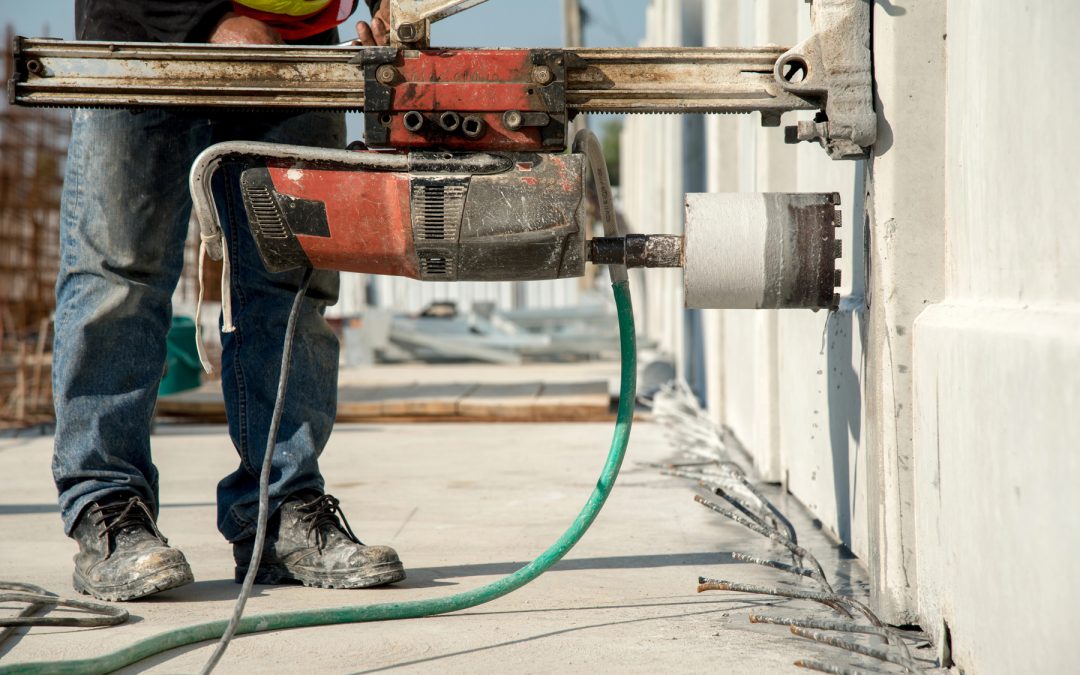
Concrete coring services looks straightforward when you watch it from a distance. A diamond drill spins, a neat circular hole appears, and everyone goes home. In reality, there’s considerably more happening behind the scenes.
An experienced contractor understands how different concrete structures behave and knows how to choose the right equipment, drilling method and core size for the job.
I’d ask a contractor:
How long have you handled concrete coring services work?
Have you completed projects similar to mine?
Do you work on both residential and commercial sites?
Can you explain the drilling method you recommend?
Can you provide examples of previous work?
Experience matters particularly when you’re drilling reinforced concrete. Steel reinforcement can change the way a contractor approaches the job, so you want someone who understands what they’re dealing with rather than someone learning on your slab.
2. Make Sure They Understand Safety and Site Conditions
Concrete drilling creates dust, slurry, noise and vibration. It can also become risky if the contractor doesn’t properly assess the area before starting.
Before I book any Concrete Coring Services, I want the contractor to understand what sits around and inside the drilling location. Depending on the project, that may include reinforcement, electrical services, plumbing, post-tensioning systems or other concealed infrastructure.
A professional should assess the work area and discuss any potential hazards before drilling.
This becomes particularly important on commercial sites, where contractors may need to work around employees, customers, machinery and other trades. Good planning keeps everyone moving instead of turning a five-minute drilling job into an afternoon of confusion.
For Australian construction and workplace safety information, you can also check guidance from Safe Work Australia.
The key point is simple: don’t treat safety as an optional extra.
3. Ask About Equipment, Core Sizes and Drilling Methods
Not every concrete hole requires the same equipment. The diameter, depth, concrete thickness and location all influence the drilling setup.
Professional diamond core drilling equipment can create accurate openings through concrete while keeping the cut controlled. That precision can prove valuable when you need openings for pipes, cables, drainage systems, ventilation or other services.
Before booking, I’d give the contractor as much information as possible about the job.
What to confirm
Why it matters
Core diameter
Ensures the opening suits the required service
Drilling depth
Determines the equipment and setup required
Concrete thickness
Helps the contractor plan the job correctly
Reinforcement
May affect drilling time and equipment
Work location
Influences access, setup and safety
Wet or dry drilling
Helps manage dust and site conditions
You should also ask whether the contractor offers wet core drilling or other suitable drilling methods for your particular application. Wet drilling can help control dust and cool the diamond tooling, although the contractor should select the method based on the project conditions.
If you already know the required hole diameter and depth, tell the contractor upfront. It can make the quoting process much smoother.
4. Consider Access, Cleanup and the Practical Details
Here’s the part people often forget.
A contractor may have excellent drilling equipment, but that equipment still needs to reach the work area.
Think about stairs, narrow corridors, basement access, restricted parking, working heights and available power or water. On a busy Melbourne construction site, even getting equipment into position can require careful planning.
I’d also ask how the contractor manages concrete slurry and dust.
Wet core drilling can produce water mixed with fine concrete particles. Without proper containment and cleanup, that slurry can spread across floors and create another job nobody asked for.
Ask these questions before you book:
How will you access the drilling location?
What preparation do you need from me?
How will you control water and slurry?
Who handles cleanup after drilling?
How much space do you need around the work area?
Do you need access to power or water?
Getting these details sorted early makes the day of the job much easier.
5. Compare the Quote Properly – Not Just the Price
Price matters. I get it.
But when comparing Concrete Coring Services, the cheapest quote doesn’t automatically give you the best value. A low price may exclude important details such as difficult access, additional drilling depth, reinforcement, setup, cleanup or after-hours work.
Instead of asking only, “How much does it cost?”, I’d ask, “Exactly what does the quote include?”
A useful quote should clearly explain the expected scope of work. Depending on your project, that could include:
Number of core holes
Core diameter
Approximate drilling depth
Labour
Equipment
Site setup
Access requirements
Water or slurry management
Cleanup
Additional charges, if applicable
This gives you a much clearer comparison between contractors.
What Can Affect Concrete Coring Services Costs?
Several factors can influence the final cost of concrete drilling in Melbourne. These include the number of holes, diameter, drilling depth, concrete type, reinforcement, access conditions and project timing.
For example, drilling one easily accessible hole in a thin slab represents a very different job from drilling multiple deep cores through heavily reinforced concrete inside a restricted commercial site.
So, if one quote looks dramatically cheaper than another, don’t immediately celebrate. Compare the scope first.
Why Choosing the Right Concrete Coring Services Contractor Matters
When everything goes well, you may barely notice the drilling process. You get the precise opening you need, the surrounding area stays under control and your project keeps moving.
That’s exactly what you want.
Professional Concrete Coring Services can support a wide range of construction and renovation applications, including:
Plumbing penetrations
Electrical cable openings
HVAC and ventilation installations
Drainage work
Anchor and fixing preparation
Structural construction projects
Commercial fit-outs
Renovation and refurbishment projects
The important thing is to match the drilling approach to the actual requirements of your site.
Questions to Ask Before You Book
Still comparing contractors? I’d keep this checklist handy.
Do you have experience with my type of project? Ask for examples that resemble your work rather than relying only on general experience.
Can you handle the required core diameter and depth? Give the contractor accurate measurements wherever possible.
How will you manage reinforcement and concealed services? This helps identify potential complications before drilling begins.
What happens to the slurry and waste? Make sure you understand who manages site cleanup.
Is the quote fixed or could additional costs apply? Clarify extra charges before work starts.
How soon can you complete the work? Timing matters when other trades depend on the completed core holes.
Conclusion
Booking concrete drilling shouldn’t feel like a gamble. If I were arranging the work, I’d focus on five things: experience, safety, equipment, site access and transparent pricing.
Take a few minutes to ask the right questions before the contractor arrives. That small amount of preparation can help you avoid delays, unexpected costs and messy surprises.
Whether you’re planning a renovation, commercial fit-out or construction project in Melbourne, choosing the right Concrete Coring Services can help keep the job precise and on schedule.
Ready to discuss your concrete coring Services requirements? Get in touch with our team and discuss your project before you book.
Frequently Asked Questions
What are concrete coring services used for?
Concrete coring creates precise cylindrical openings through concrete for applications such as plumbing, electrical services, drainage, ventilation and construction installations.
How deep can concrete coring go?
The achievable drilling depth depends on the equipment, core diameter, concrete thickness and project conditions. A professional contractor can assess your requirements and recommend suitable equipment.
Can you core drill reinforced concrete?
Yes, professional diamond core drilling equipment can work through reinforced concrete. However, reinforcement can affect drilling time, equipment selection and the overall approach.
Is concrete coring suitable for commercial buildings?
Yes. Contractors commonly use concrete coring for commercial construction, fit-outs, refurbishment projects and service installations. Commercial work often requires additional planning around access, safety and site operations.
Does concrete coring create dust?
It can. The amount depends on the drilling method and site conditions. Wet drilling can help control airborne dust, while the contractor should also plan for water and concrete slurry management.
How should I prepare before a concrete coring contractor arrives?
Clear the work area where possible, provide information about the required hole sizes and locations, and tell the contractor about known services or site restrictions. Good preparation helps the drilling team work efficiently.
Drilling into concrete looks straightforward until you remember that concrete can hide a whole world of pipes, cables, steel and other surprises. One wrong hole can turn a routine job into an expensive repair.
That’s why I always see pre-drilling scanning as a smart first step. Concrete Xray Services can help you understand what sits beneath the surface before you bring out the core drill, giving your Melbourne project a much clearer starting point.
If you’re planning a new penetration through a slab, wall or other concrete structure, Concrete Xray Services can help identify potential obstacles before drilling begins. Think of it as checking the road before you put the foot down.
What Are Concrete Xray Services?
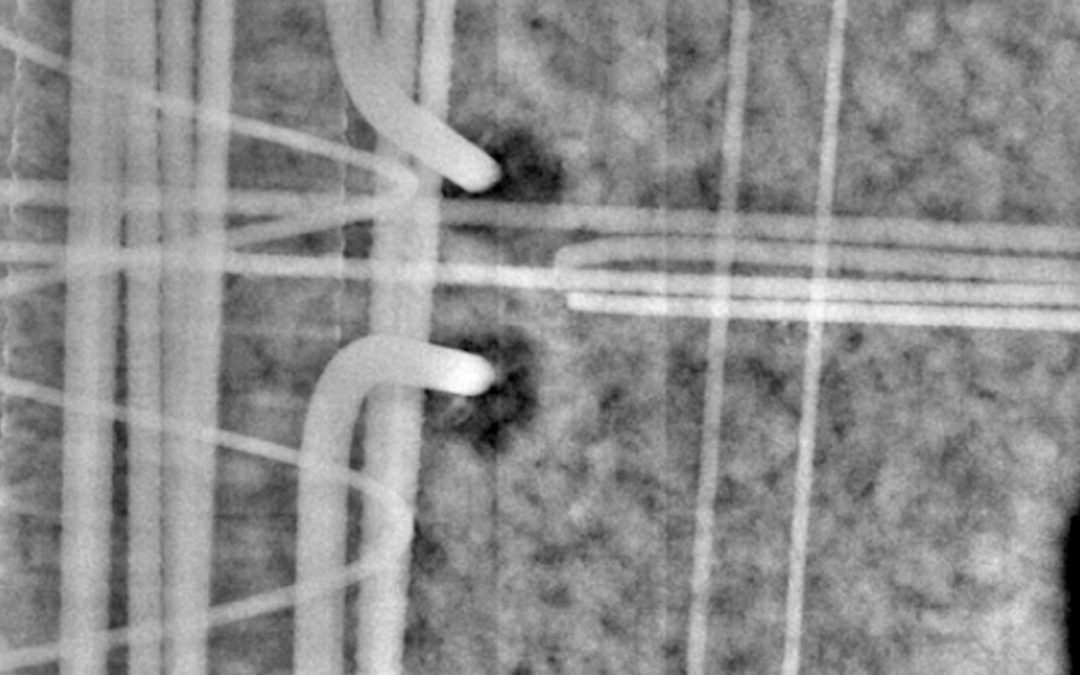
Concrete Xray Services use specialised scanning technology to investigate what sits inside concrete without immediately cutting into it.
Depending on the scanning method, technicians can locate items such as reinforcing steel, electrical conduits, pipes, post-tensioning elements and other embedded features.
The big advantage is simple: you get information before you make a permanent hole.
That matters on everything from residential renovations to Melbourne commercial fit-outs, industrial upgrades and major construction projects.
A concrete slab might look completely ordinary from the outside. Inside, however, it could contain several layers of infrastructure installed at different stages of a building’s life.
What Can Concrete Xray Services Detect?
So, what exactly can you find before drilling?
The answer depends on the equipment, concrete thickness, site conditions and the type of object hidden inside. However, professional concrete scanning can help identify several important features.
Hidden element
Why it matters before drilling
Reinforcing steel
Drilling through reinforcement can affect the proposed penetration and may require the location to change
Electrical conduits
Hitting an electrical service can create serious safety and repair issues
Metal pipes
Damaging plumbing can cause leaks, flooding and costly repairs
Post-tensioning elements
These can require particularly careful planning before drilling or cutting
Voids or anomalies
Unexpected spaces can affect how contractors approach the work
Other embedded objects
Additional hidden materials may influence the safest drilling position
The purpose isn’t to make your project sound more complicated than it is. Quite the opposite.
I want the drilling team to know as much as possible before the drill starts spinning.
1. Reinforcing Steel and Rebar
Reinforcing steel, commonly called rebar, plays an important role in many concrete structures.
You’ll find it inside slabs, walls, beams and other reinforced concrete elements. It helps concrete handle structural loads and provides strength where the structure needs it.
The problem starts when someone chooses a drilling location without understanding where that steel sits.
A drill meeting unexpected reinforcement can affect the proposed hole, slow the job down and potentially create unnecessary damage.
With concrete scanning before drilling, I can help identify reinforcement around the proposed penetration so the project team has better information when deciding where to drill.
It’s a little like checking behind a wall before hanging a very expensive television. You could guess, but why would you?
2. Electrical Conduits and Cables
Electrical services can run through walls, floors and slabs, particularly in busy commercial buildings.
Older Melbourne properties can make this even more interesting. Buildings often undergo renovations, office refits and service upgrades over the years. As a result, the current layout may not perfectly match the original plans.
If an electrical conduit sits directly where you plan to drill, discovering it with a core bit isn’t exactly the sort of surprise anyone wants.
A professional scan can help identify metallic or detectable services around the proposed drilling location.
That information lets the project team review the location before committing to the penetration.
For commercial sites, that extra step can also help reduce disruption. Nobody wants a five-minute drilling job to become an afternoon of emergency troubleshooting.
3. Plumbing Pipes
Water and plumbing services can also hide inside concrete structures.
A concealed pipe might supply bathrooms, kitchens, mechanical systems or other parts of a building. If drilling damages one, the consequences can go well beyond the hole itself.
You could end up dealing with:
Water leaks
Damaged fittings
Property damage
Unplanned repairs
Project delays
Disruption to occupants
Concrete Xray Services can help your team investigate the proposed drilling area and look for detectable pipes and other embedded services before work begins.
That doesn’t mean scanning should replace engineering drawings or professional judgement. Instead, I see it as another valuable layer of information.
The more you know before drilling, the fewer surprises you leave for the drill bit.
Some concrete slabs contain post-tensioning tendons that help the structure perform as designed. Drilling or cutting in the wrong location can therefore create a much more serious problem than simply hitting a bit of steel.
That’s why you should never treat a post-tensioned slab like an ordinary piece of concrete.
Before drilling, your contractor should understand the structure, review available documentation and use suitable detection methods where required.
Scanning can help identify potential post-tensioning elements and support better planning.
However, scanning alone doesn’t give anyone permission to drill wherever they like. Structural requirements and engineering advice still matter.
5. Voids and Other Unexpected Features
Concrete doesn’t always contain only the things you expect.
Depending on the structure and scanning technology, technicians may identify voids or other anomalies within the scanned area.
These findings can give the project team another reason to stop, assess and adjust the drilling plan before creating an opening.
This becomes particularly useful when you’re working with older buildings, altered structures or areas where drawings don’t provide a complete picture.
Sometimes the most useful thing a scan tells you is simply: “Don’t drill there.”
That can be a very good result.
Why Scanning Matters Before Concrete Drilling in Melbourne
Melbourne has a huge mix of construction styles and building ages.
You might work on a modern apartment development one day and an older commercial property the next. You could also be dealing with renovations where several generations of electrical, plumbing and mechanical services sit inside the same structure.
That makes pre-drilling investigation particularly useful.
WorkSafe Victoria also highlights the hazards associated with concrete cutting and drilling, including dust, vibration, electricity and damage to structures and services. You can review its safe concrete cutting and drilling industry guidance for further information.
Concrete Xray Services vs Guesswork
Let’s be honest: guessing is rarely a great construction strategy.
You could look at an old plan, estimate where the services run and hope the proposed drilling point remains clear.
Or you can investigate the area first.
Approach
Level of information
Potential issue
Drill without scanning
Low
Hidden services or reinforcement may be missed
Rely only on old plans
Moderate
Previous renovations may have changed the layout
Scan before drilling
Higher
Gives additional information about concealed elements
Scan + plans + professional assessment
Stronger planning approach
Combines multiple sources of information
I prefer the final approach because construction rarely rewards assumptions.
Scanning doesn’t eliminate every possible risk. It gives your team better information so they can make better decisions.
And in construction, better information usually beats crossed fingers.
When Should You Arrange Concrete Xray Services?
You should consider scanning whenever your proposed drilling or cutting could interact with concealed elements.
It can be particularly useful before:
Core drilling through reinforced concrete slabs
Creating new floor penetrations
Drilling through concrete walls
Installing plumbing services
Installing electrical conduits
Installing HVAC or mechanical services
Working on older commercial buildings
Modifying existing concrete structures
Drilling near suspected post-tensioning
Carrying out renovation or fit-out work
If you’re unsure whether scanning makes sense for your project, discuss the proposed work with a qualified scanning or drilling professional before you start.
A few minutes of planning can save a surprisingly large headache later.
How Does Concrete Xray Scanning Work?
The exact process depends on the project, but the basic workflow is fairly straightforward.
Step 1: Review the Proposed Drilling Location
The technician looks at the area where you plan to drill and considers the size, depth and purpose of the proposed penetration.
Step 2: Prepare the Surface
The team prepares the scanning area and checks that the surface allows suitable scanning.
Step 3: Scan the Concrete
Specialised equipment passes across the concrete surface and collects information about objects beneath it.
Step 4: Interpret the Results
The technician reviews the scan to identify relevant features such as reinforcement and detectable services.
Step 5: Mark the Area
Important findings can then help the drilling team understand where potential obstacles sit.
Step 6: Review the Drilling Plan
If the original location presents a problem, the project team can consider another position or seek further technical advice.
That workflow turns “We think it’s clear” into “We’ve investigated the area.”
And I know which one I’d rather hear on a busy Melbourne job site.
Does Concrete Scanning Replace Engineering Advice?
No — and this distinction matters.
Concrete scanning provides valuable information about what may be inside the scanned area, but it doesn’t replace structural engineering, construction documentation or professional judgement.
For example, if you need a large penetration through a structural slab, you may need an engineer to determine whether the proposed opening is suitable.
Likewise, if scanning identifies reinforcement or post-tensioning, your project team should assess what that finding means before proceeding.
Think of scanning as another set of eyes, not a magic approval stamp.
Is Concrete Xray Scanning Worth It?
For many drilling and renovation projects, the answer can be yes.
The cost of scanning varies depending on the size of the area, number of proposed penetrations, access, concrete thickness, site conditions and project requirements.
Rather than looking only at the price of scanning, I’d compare it with the potential cost of getting something wrong.
Damaging a concealed pipe could mean repairs and water damage.
Hitting an electrical service could create a serious safety issue.
Interfering with important reinforcement or post-tensioning could create a far more significant structural concern.
A relatively small investigation before drilling can therefore make good practical and financial sense.
What Should You Ask Before Booking a Scanning Service?
Before arranging a scan, have a few basic details ready.
Tell the scanning professional:
Where you want to drill
How many holes you need
The approximate hole diameter
The expected drilling depth
Whether the concrete is a slab, wall, beam or another structure
What drawings or service plans you have available
Whether you suspect post-tensioning or other embedded services
The more information you provide, the easier it becomes to understand what the job requires.
If you already have marked-up plans, photographs or proposed penetration locations, keep them handy.
Why Professional Scanning Makes Sense
I think the biggest advantage of professional scanning comes down to one simple idea: visibility.
Concrete hides things extremely well. Once you understand that, drilling without investigating starts to feel less like confidence and more like gambling.
Professional scanning can help identify potential obstacles, improve drilling plans and reduce the chance of unexpected damage.
It also fits neatly into the wider workflow of professional concrete core drilling, where precision matters just as much as speed.
For Melbourne builders, contractors, facility managers, renovators and property owners, that information can make a real difference.
Conclusion: Look Before You Drill
Concrete might look solid, simple and predictable from the outside. Inside, it can tell a very different story.
Reinforcement, electrical conduits, plumbing, post-tensioning elements and other hidden features can all affect where and how you drill. That’s why Concrete Xray Services can play such an important role before concrete cutting or core drilling.
I’d always rather spend a little time investigating the drilling location than discover a hidden pipe, cable or structural element the expensive way.
If you’re planning concrete drilling, scanning or new service penetrations anywhere across Melbourne, Get in touch with our team to discuss your project and work out the right approach before drilling begins.
FAQs About Concrete Xray Services
What can Concrete Xray Services detect before drilling?
Concrete Xray Services can help detect features such as reinforcing steel, electrical conduits, detectable pipes, post-tensioning elements, voids and other embedded objects, depending on the scanning equipment and site conditions.
Can concrete scanning detect every pipe and cable?
No. Detection depends on the material, depth, orientation, concrete conditions, equipment and scanning method. A professional technician should explain the limitations of the scan for your particular site.
Do I need scanning before every core hole?
Not necessarily. The need depends on the structure, location, available documentation and project requirements. However, scanning can be particularly valuable when you don’t have reliable information about what sits inside the concrete.
Can Concrete Xray Services find rebar?
Yes, suitable concrete scanning equipment can help identify reinforcing steel and its position within the scanned area.
Can scanning detect post-tensioning?
Some scanning methods can help locate post-tensioning tendons. Because post-tensioned structures require careful handling, you should also follow relevant engineering and project requirements before drilling.
Is concrete scanning suitable for commercial buildings?
Yes. It can be particularly useful for commercial fit-outs, renovations, service upgrades and other projects where multiple utilities may run through existing concrete structures.
How much do Concrete Xray Services cost in Melbourne?
The price varies depending on the scanning area, number of locations, access, concrete thickness, project complexity and other site requirements. The best way to establish the cost is to provide the scanning contractor with your project details.
Choosing the right concrete core drillers can make the difference between a clean, accurate opening and a site headache that keeps growing. In Melbourne, where commercial fit-outs, renovations, infrastructure upgrades and apartment projects often happen in tight spaces, you need a drilling team that understands more than how to switch on a core drill.
I always look at core drilling as precision work rather than simply making a hole in concrete. The right contractor needs to understand the structure, access, drilling depth, diameter, reinforcement, nearby services and the finished result you expect. A sharp bit helps, but experience makes the real difference.
If you are comparing Concrete Core Drillers for a residential, commercial or industrial job, start with a team that can explain exactly how it will approach your project. A clear plan at the beginning can save you plenty of running around later.
Start by Checking Their Experience
The first question I would ask is simple: “Have you done this type of drilling before?” A contractor who regularly handles slab penetrations, service openings, plumbing penetrations, electrical pathways and mechanical installations will usually spot practical issues earlier than someone who treats every job the same.
Before you request a quote, define the hole requirements. Tell the contractor the diameter, approximate depth, number of holes, drilling position and whether you need through-holes or blind holes. If you have drawings, engineering details or service plans, share them early. Concrete core drilling becomes much easier to price and plan when everyone is working from the same information.
Check the Equipment They Use
Next, check the contractor’s equipment. Professional concrete core drillers should have equipment suited to the size and location of the opening, including suitable diamond core bits, drilling rigs and dust or water management systems. For larger diameters or difficult positions, the right rig can improve accuracy and reduce unnecessary vibration.
Consider Site Access Before Work Begins
Access matters more than many people expect. A beautiful drilling plan is not much use if the machine cannot reach the work area. Ask how the team will move equipment through doors, corridors, stairwells, rooftops or restricted plant rooms.
Good concrete core drillers think about access before arriving, not after unloading half the workshop onto your site. Discuss access conditions early, particularly if you are working in a busy commercial building or a restricted Melbourne site.
Put Safety High on Your Checklist
Safety should sit near the top of your checklist, especially when drilling existing concrete. Drilling can generate respirable crystalline silica dust, while hidden electrical, plumbing and structural services can create other serious risks.
In Victoria, WorkSafe provides specific guidance on controlling hazards associated with concrete drilling, including dust, vibration, noise, manual handling and damage to services. WorkSafe Victoria’s concrete drilling guidance is a useful reference when assessing how a contractor approaches site safety.
1. Check Experience with Your Type of Project
Not every concrete job is the same. A small residential penetration for plumbing has very different demands from repeated openings across a multi-storey commercial building.
Ask potential concrete core drillers about similar projects they have completed. You can also ask:
Have you worked in occupied buildings?
Can you handle reinforced concrete?
Do you drill vertically, horizontally and overhead where appropriate?
Can you work around existing services and restricted access?
Can you complete multiple holes efficiently on a programmed site?
Specific experience matters because it helps the contractor anticipate problems rather than discover them halfway through the job.
2. Ask How They Manage Dust, Water and Slurry
Core drilling often uses water to cool the diamond bit and control dust. That creates another practical question: where does the water and slurry go?
Before work begins, ask how the concrete core drillers will contain slurry, protect finished surfaces and clean the area afterwards. This becomes particularly important inside offices, retail spaces, hospitals, apartment buildings and other occupied environments.
A good team should arrive with a plan for containment and cleanup. You should not have to discover a grey puddle running towards the lift lobby after the drilling is finished.
3. Confirm How They Handle Reinforcement and Difficult Concrete
Reinforced concrete can contain steel bars, mesh and other embedded materials. Your contractor should understand how reinforcement can affect drilling and how the job needs to proceed without creating unnecessary structural risk.
This does not mean the driller should make structural decisions on their own. If your engineer has specified a particular location, diameter or clearance, give those details to the drilling team. The best concrete core drillers know when to follow the plan and when to stop and ask a question.
4. Look for Accuracy, Not Just Speed
Fast drilling sounds attractive, but speed should never become the only measure of performance. You want the opening in the right place, at the right diameter and to the required depth.
Ask how the team checks measurements before drilling. Depending on the project, that may involve drawings, marked-out positions, measurements, scanning information or coordination with other trades.
A clean opening can make the next stage of construction much easier. A poorly positioned opening can create rework, delays and an awkward conversation with the site manager.
5. Compare Quotes Properly
Price matters, but comparing only the final number can hide important differences. When you receive quotes from concrete core drillers, check what each price actually includes.
What to compare
Why it matters
Hole diameter and depth
Confirms the contractor has priced the actual drilling requirement
Number of holes
Helps you compare the total workload
Equipment
Shows whether the contractor has suitable machinery
Access requirements
Prevents unexpected charges for difficult locations
Water and slurry management
Clarifies site protection and cleanup
Labour
Helps you understand what is included in the quoted price
Waste removal
Avoids confusion about who removes cores and slurry
Timing
Helps you coordinate other trades and site access
A slightly higher quote can make more sense if it includes proper preparation, experienced labour, suitable equipment and cleanup. The cheapest number on the page is not always the cheapest outcome.
6. Ask About Scheduling and Site Coordination
Melbourne construction sites rarely run in isolation. Your drilling may sit between plumbing, electrical, formwork, demolition, HVAC or other trades.
Reliable concrete core drillers should communicate clearly about arrival times, site requirements and expected drilling duration. If you have a narrow work window, tell them upfront.
I also recommend asking what they need from you before the crew arrives. Access permits, marked locations, drawings, parking arrangements, induction requirements and isolation details can all affect the day.
7. Make Safety and Communication Non-Negotiable
A professional contractor should be comfortable discussing safety rather than brushing the subject aside. Ask about site procedures, dust controls, equipment checks, exclusion zones and how the team identifies potential services before drilling.
Communication matters just as much. If the drilling crew finds something unexpected, you want them to stop, explain the issue and help you decide what happens next. That small habit can prevent a minor surprise from becoming a major site problem.
8. Ask What Happens After the Drilling
The job does not necessarily end when the core comes out. Depending on your project, you may need the concrete core removed, the area cleaned and the opening left ready for another trade.
Ask concrete core drillers whether their service includes core removal, slurry cleanup and basic site housekeeping. Also confirm whether you need to arrange any additional structural repair, waterproofing, fire stopping or finishing work after drilling.
A Simple Checklist Before You Choose
Before you book a contractor, I would run through this quick list:
Confirm the hole sizes, depths and quantities.
Provide drawings and marked drilling locations where available.
Check access and working conditions.
Ask about experience with reinforced concrete.
Confirm dust, water and slurry controls.
Ask how the team coordinates with existing services.
Compare quotes based on inclusions, not just price.
Confirm timing, cleanup and post-drilling requirements.
Why Local Melbourne Experience Can Help
Local knowledge can make project planning smoother. Melbourne sites can range from tight inner-city commercial spaces to suburban extensions and large industrial developments, and each environment creates different access and scheduling challenges.
Experienced concrete core drillers can also be more familiar with working around busy sites, occupied buildings and changing construction schedules. That practical awareness can save time when conditions are less than perfect.
Conclusion
Choosing concrete core drillers is really about choosing precision, planning and peace of mind. Look beyond the cheapest quote and assess the contractor’s experience, equipment, safety approach, communication, site management and ability to deliver the exact openings your project needs.
If you are planning core drilling in Melbourne, take the time to discuss your requirements before the work starts. Clear information leads to better preparation, and better preparation usually means fewer surprises on site. For help planning your next drilling job, Get in touch with our team.
Frequently Asked Questions
What does a concrete core driller do?
Concrete core drillers create precise circular openings through concrete, masonry and other hard materials using diamond core drilling equipment. The openings can support plumbing, electrical, mechanical, ventilation, fire services and other building requirements.
How do I choose concrete core drillers in Melbourne?
Look for relevant experience, suitable equipment, strong safety practices, clear communication, accurate drilling methods and transparent pricing. Ask for details about similar projects and confirm exactly what the quote includes.
Can core drilling go through reinforced concrete?
Yes, specialist diamond core drilling equipment can work through reinforced concrete. However, the contractor needs to understand the reinforcement and follow the project’s structural and safety requirements.
Is concrete core drilling messy?
It can create water and slurry, particularly when wet drilling is used. Professional concrete core drillers should have a plan for water management, slurry containment and cleanup so the surrounding area stays protected.
How much does concrete core drilling cost in Melbourne?
The cost varies depending on hole diameter, depth, quantity, concrete type, reinforcement, access, equipment and site conditions. The best approach is to provide clear job details and request a project-specific quote.
How long does concrete core drilling take?
A single straightforward hole may take much less time than a large batch of holes in a restricted area. Your contractor should assess the diameter, depth, access and number of openings before giving you a realistic timeframe.
Modern Melbourne buildings rely on data cables for almost everything, from fast office networks and Wi-Fi infrastructure to security systems, smart building controls and connected devices. Yet behind all that clever technology sits a very practical challenge: how do you get the cables from A to B without turning the building into a construction site forever? That is where I see precision Data Cabling core drilling make a real difference.
When I plan a cable pathway through concrete walls, floors or slabs, I do not want oversized openings, cracked surfaces or a messy route that makes the next trade swear under their breath. I want a clean, accurate penetration that gives the cable installer exactly the access they need. With Data Cabling Core Drilling, I can create controlled openings that support neat routing while helping the wider project stay organised.
I think of core drilling as giving a data cable its own carefully designed doorway. Instead of forcing cables around awkward structural elements or hacking through concrete with rough methods, I can create a precise pathway in the right location and diameter. That approach suits office fit-outs, apartments, commercial upgrades, industrial spaces and renovation projects across Melbourne where every centimetre can matter.
What Is Data Cabling Core Drilling?
Data cabling core drilling involves creating round, controlled openings through concrete and other masonry structures so installers can route communication and network cables through a building.
I use specialist diamond core drilling equipment to drill through the required section with much greater control than traditional breaking or hammering methods. The result gives the cable team a defined pathway for Cat6, Cat6A, fibre optic and other communications infrastructure, depending on the project design.
The real advantage comes from precision. I am not simply making a hole in concrete. I am creating an opening that needs to suit the planned cable route, building layout, cable protection requirements and surrounding services.
That makes core drilling particularly useful when a project demands:
Accurate cable penetrations
Clean and professional openings
Reduced disruption around the work area
Controlled drilling depths and diameters
Better alignment between floors or rooms
Cleaner coordination with electricians, data cablers and other trades
Why Precision Matters in Melbourne Data Cabling Core Drilling Projects
Melbourne construction projects rarely offer endless space. Commercial buildings often pack services into tight ceiling voids, risers, walls and plant areas. Meanwhile, established buildings can present another headache altogether: existing infrastructure.
I have found that a poorly planned penetration can create a chain reaction. One misplaced opening can force a longer cable route, complicate installation, create unnecessary bends or interfere with another service.
A precise opening helps me avoid that domino effect.
It also gives the data cabler a clearer installation path. When I coordinate the drilling location properly, I can help the broader team keep cable runs tidy and predictable rather than improvising once everyone has arrived on site.
For Australian communications cabling, I also pay attention to the wider compliance picture. The Australian Communications and Media Authority explains that telecommunications cabling work must follow the relevant rules and standards, including the Wiring Rules for customer cabling. You can review the current requirements directly through the ACMA cabling provider rules.
How Data Cabling Core Drilling Creates a Precise Cable Pathway
The process starts long before I switch on the drill.
1. I review the proposed cable route
First, I look at where the data cables need to travel. I consider the starting point, destination, floor levels, wall construction, slab thickness and access conditions.
This planning stage helps me determine where the penetration should sit rather than simply choosing the easiest spot to drill.
2. I confirm the drilling location
Next, I check the proposed location against the surrounding building layout. I want to understand what sits behind, above and below the drilling point.
That matters because concrete is rarely just concrete. A structural element may contain reinforcement, embedded services or other components that require careful consideration.
3. I select the right core diameter
The opening needs enough space for the intended cable pathway, but I do not see value in making it unnecessarily large.
I choose the core size around the project requirements and the way the cabler intends to install or protect the cables. A correctly sized opening keeps the finished result neat and reduces unnecessary impact on the surrounding surface.
4. I drill with diamond tooling
Diamond core drilling gives me the control I need to form a clean circular penetration through concrete.
Rather than attacking the surface with brute force, I use a controlled drilling action. That helps me create a more accurate opening and reduces the rough, broken edges associated with less precise methods.
5. I complete the penetration and prepare the pathway
After drilling, I make sure the opening suits the next stage of the installation. Depending on the project, that can involve clearing debris, checking the penetration and preparing the area for sleeves, cable protection or the data cabler’s installation requirements.
The goal remains simple: leave a pathway that makes the next job easier, not harder.
Data Cable Pathways vs Traditional Concrete Breaking
I often compare precision drilling with the old-fashioned approach of simply breaking a section of concrete and making it work.
They can both create an opening, but they do not create the same finish.
Factor
Core Drilling
Concrete Breaking
Opening shape
Clean and circular
Often rough or irregular
Accuracy
High
Lower
Cable routing
Easier to plan
Can require adjustments
Surface finish
Neater
More likely to need repair
Control
Precise
Less predictable
Professional finish
Strong
Depends heavily on the final repair
The difference becomes obvious when you are working in a modern office, retail fit-out or polished commercial environment. Nobody wants a premium data installation sitting beside a hole that looks like someone lost an argument with a jackhammer.
Where I Use Data Cabling Core Drilling
The technique works across a wide range of Melbourne projects.
Commercial offices
Modern offices depend on reliable network infrastructure for computers, VoIP systems, wireless access points, meeting room technology and security equipment. I can help create pathways through concrete floors and walls so installers can connect those systems neatly.
Data centres and communications rooms
These environments demand organised routing and careful coordination. Precise penetrations can help teams move cables between technical areas while maintaining a clean installation layout.
Apartment and multi-storey buildings
Vertical cable pathways often need to pass through slabs between levels. Core drilling can provide controlled penetrations that support structured network and communications infrastructure.
Retail and hospitality fit-outs
Retailers, cafés, restaurants and hotels increasingly rely on connected systems. POS equipment, Wi-Fi, cameras, digital signage and back-office networks all need suitable cable routes.
Industrial and warehouse facilities
Industrial sites can involve large floor areas, heavy-duty construction and demanding service layouts. A well-planned penetration can simplify cable routing between work areas, offices and equipment zones.
What Makes a Good Cable Drilling Plan?
In my experience, the best results come from coordination rather than rushing straight into drilling.
I look at several factors before starting:
The cable route: I confirm exactly where the data pathway needs to go.
The structure: I identify whether the drilling point sits in a wall, slab, beam or another concrete element.
The penetration size: I choose a practical diameter for the planned installation.
Nearby services: I check the area carefully and coordinate with relevant site information.
Access: I plan how I can position and operate the equipment safely.
Finishing requirements: I consider how the opening needs to look and function after drilling.
This planning approach saves time because I solve problems before the drill starts spinning.
Benefits of Precision Data Cable Penetrations
There is a reason more construction teams prefer controlled drilling methods when the job calls for accuracy.
Cleaner installations
A neat opening gives the finished cable route a more professional appearance. That matters when clients can see the pathway or when the building has high presentation standards.
Better routing efficiency
I can place the penetration where the cable route actually needs it. That reduces the temptation to create awkward detours simply because the original opening landed in the wrong place.
Less unnecessary damage
Controlled drilling focuses precisely on the required area. That can help reduce unnecessary disturbance around the penetration compared with rough breaking methods.
Easier trade coordination
When I create a predictable opening, electricians, data cablers and other contractors can work from a clearer plan. Good coordination keeps projects moving.
Future-proofing
A well-considered pathway can also support future changes. As businesses add more devices, network equipment and smart systems, flexible infrastructure becomes increasingly valuable.
Common Mistakes I See With Data Cable Penetrations
Even a relatively small penetration can cause headaches when someone treats it as an afterthought.
One common mistake involves choosing the drilling point too quickly. Another involves selecting an opening that does not match the installation requirements. I also see projects suffer when drilling happens without proper coordination with the cable installer.
There is another issue worth mentioning: treating every concrete wall or slab as though it behaves the same way. It does not. The structure, reinforcement, thickness and location all influence how I approach the work.
I also avoid the temptation to assume that a bigger hole automatically creates a better pathway. Usually, it simply creates a bigger hole.
How I Coordinate Core Drilling With Data Cabling
The best outcome comes when I treat core drilling and cable installation as connected stages rather than separate jobs.
I first work from the intended cable layout. Then I match the penetration location and size to that plan. After drilling, I leave the pathway ready for the communications installer to continue the work.
This simple handover approach can make a noticeable difference on busy Melbourne sites.
For example, imagine a three-storey office renovation where the network team needs to connect communications rooms on multiple levels. If I drill without understanding the final cable route, the cablers may need to adjust their plan later. When I coordinate properly, I can create the pathway around the actual installation requirements from the beginning.
That is where precision pays off.
Why Melbourne Projects Benefit From Specialist Core Drilling
Melbourne has a mix of older buildings, modern developments, dense commercial spaces and ongoing renovation work. Each environment creates different drilling challenges.
Older buildings may have limited drawings or unexpected construction details. Newer developments may have tighter service coordination and stricter finish expectations. Renovations often demand careful work around existing occupants and infrastructure.
I approach each job with that context in mind.
Instead of treating every penetration as a generic hole, I look at the building, the cable route and the practical needs of the project. That mindset helps me deliver a pathway that supports the wider installation rather than simply completing one drilling task.
Conclusion
I see Data Cabling Core Drilling as more than a way to make openings in concrete. Done properly, it creates the physical infrastructure that lets modern communication systems move through a building cleanly, accurately and efficiently.
When I plan the route, choose the right opening and coordinate with the wider project team, I can help create cable pathways that look better and make installation easier. That matters whether I am working on a Melbourne office fit-out, apartment development, commercial renovation or industrial facility.
The best cable pathway does not steal the show. It simply works exactly as planned, tucked neatly into the building and ready for the technology that depends on it.
Need a precise concrete penetration for your next data cabling project? Get in touch with our team and discuss the drilling requirements for your Melbourne site.
Frequently Asked Questions About Data Cabling Core Drilling
What is Data Cabling Core Drilling used for?
I use Data Cabling Core Drilling to create controlled openings through concrete walls, floors and slabs so installers can route data and communications cables through a building.
Can core drilling be used for Cat6 and Cat6A cabling?
Yes. I can create cable pathways suitable for structured data cabling such as Cat6 and Cat6A when the project design calls for concrete penetrations.
Is core drilling suitable for fibre optic cable pathways?
It can be. I can create the required penetration, while the communications installer manages the fibre installation and any specific protection or routing requirements.
How do I choose the correct core drill size?
I base the core diameter on the cable pathway, installation method, protection requirements and project specifications. I avoid choosing an oversized opening without a practical reason.
Can I core drill through reinforced concrete?
Yes, specialist diamond core drilling equipment can work through reinforced concrete. However, I assess the drilling location and surrounding conditions carefully before proceeding.
Does core drilling damage concrete?
I use controlled drilling to minimise unnecessary disturbance. The final outcome depends on the structure, drilling conditions, location and equipment, which is why proper planning matters.
Should the data cabler or driller decide the hole location?
I prefer both parties to coordinate. The data cabler understands the final cable route, while the core drilling specialist understands the practical drilling requirements. Bringing those two perspectives together usually produces the best result.
How does core drilling improve the appearance of a cable installation?
A clean, accurately positioned penetration gives the cable route a more professional finish. It also makes the pathway easier to organise and protect.
Choosing the right drilling equipment can make a big difference when you need clean, accurate holes in concrete. An electric core drill and a hydraulic core drill can both deliver impressive results, but they suit different working conditions, project sizes and site requirements.
So, which one should you choose? I’d say it depends less on which machine looks more powerful and more on what your concrete drilling job actually demands. Let’s compare both options and make the decision a little easier.
If you’re planning professional concrete drilling in Melbourne and want to understand where anelectric core drill fits into the job, it helps to first understand how electric and hydraulic systems differ.
What Is an Electric Core Drill?
An electric core drill uses an electric motor to rotate a diamond core bit through concrete, masonry or other hard materials. the rotating bit removes a circular section from the material, creating a precise opening without relying on heavy impact.
I find electric systems particularly useful when a project needs accuracy, portability and practical setup. Depending on the equipment, operators can use them for smaller to medium-sized holes and a range of indoor or outdoor concrete drilling applications.
Electric core drilling can suit work such as:
Plumbing penetrations
Electrical and data cabling openings
HVAC penetrations
Floor box installations
Wall penetrations
Small-to-medium concrete coring jobs
Commercial fit-outs
General construction work
One major advantage comes down to convenience. You can generally connect an electric drilling system to a suitable power supply without needing the additional hydraulic power unit, hoses and setup associated with hydraulic equipment.
What Is a Hydraulic Core Drill?
A hydraulic core drill uses pressurised hydraulic fluid to power the drilling motor. Instead of drawing its operating power directly from an electrical motor, the drilling head connects to a hydraulic power source.
This setup gives hydraulic equipment a different set of strengths. It can handle demanding drilling conditions and is particularly useful where operators need substantial power, controlled performance or equipment suitable for specialised environments.
Hydraulic core drilling can work well for:
Large-diameter concrete holes
Heavy-duty commercial drilling
Deep concrete drilling
Large infrastructure projects
Demanding construction sites
Areas where electrical equipment may create additional concerns
Hydraulic systems can also offer excellent torque and controlled drilling performance. In other words, when the concrete starts looking less like a wall and more like a small fortress, hydraulic equipment can earn its keep.
Electric Core Drill vs Hydraulic Core Drill: Key Differences
Now we get to the part that matters most.
Both systems can drill concrete effectively, but they differ in power source, setup, portability and suitability for different applications.
Feature
Electric Core Drill
Hydraulic Core Drill
Power source
Electricity
Hydraulic power
Setup
Generally simpler
More involved
Portability
Usually easier to move
Often requires additional equipment
Best suited to
Small to medium jobs and general applications
Heavy-duty and demanding applications
Large-diameter drilling
Depends on equipment
Generally well suited
Indoor applications
Often convenient
Depends on hydraulic setup
Equipment requirements
Power supply and drilling equipment
Hydraulic power unit, hoses and drilling head
Operator control
Precise and practical
Strong torque and controlled performance
Maintenance
Generally straightforward
Requires hydraulic system maintenance
Project suitability
General construction and fit-outs
Heavy commercial and specialised projects
The table gives you the quick answer, but the real choice depends on the project.
1. Power and Performance
When people compare an electric core drill with hydraulic equipment, power usually becomes the first talking point.
Hydraulic systems can provide high torque and perform strongly during demanding drilling operations. This makes them useful when the project involves larger holes, deeper drilling or tough concrete conditions.
An electric core drill, however, can provide more than enough performance for many everyday construction applications. For plumbing, electrical, HVAC, data cabling and general penetration work, you may not need the extra complexity of a hydraulic setup.
The smartest choice isn’t always the most powerful machine. It’s the machine that provides enough performance for the job without creating unnecessary complexity.
2. Portability and Site Access
Melbourne construction sites don’t always offer generous working space. You might be working inside a commercial building, around existing services or in a tight plant room where every centimetre matters.
Electric equipment can often make setup easier because you don’t need to position a separate hydraulic power unit and manage hydraulic hoses around the work area.
That can make an electric core drill a practical option for:
Indoor drilling
Renovation projects
Commercial fit-outs
Tight-access areas
Smaller construction sites
Maintenance work
Hydraulic systems can still work extremely well in restricted environments, but the overall setup may require more planning.
3. Hole Size and Drilling Depth
The required hole size can completely change your equipment decision.
For smaller and medium-sized penetrations, an electric system can often provide the performance you need. However, as the diameter and drilling depth increase, the demands on the equipment also increase.
Hydraulic core drilling can become more attractive for heavy-duty applications where operators need strong torque and consistent performance.
Before selecting equipment, I would consider:
What diameter hole do you need?
How deep do you need to drill?
What type of concrete are you drilling?
Is reinforcement present?
How many holes need to be completed?
What access does the site provide?
These questions can tell you much more than simply asking, “Which machine is stronger?”
4. Setup Time and Practicality
Time matters on construction sites.
Every extra piece of equipment that needs positioning, connecting and checking can add to the setup process. An electric core drill can offer a relatively straightforward arrangement where a suitable power source is available.
Hydraulic drilling involves the drilling head plus the hydraulic power system and associated connections. That doesn’t automatically make it the wrong choice. It simply means the project needs to justify the additional setup.
For a straightforward commercial penetration, simpler equipment may make more sense. For a demanding structural drilling project, the additional setup may be completely worthwhile.
5. Safety Considerations When Drilling Concrete
Concrete drilling isn’t something you should approach casually. The machine is only one part of the safety equation.
Before drilling, you should understand what’s inside the concrete. Reinforcing steel, electrical cables, plumbing lines and other embedded services can create serious problems if you drill without proper planning.
Concrete scanning can help identify potential hazards before drilling begins.
Dust control also matters. Drilling concrete can generate respirable crystalline silica dust, which creates a serious workplace health risk. Safe Work Australia identifies drilling and other processes involving concrete and silica-containing materials as activities that can generate respirable crystalline silica, so appropriate risk controls should form part of your work planning. Safe Work Australia – Silica safety guidance.
For professional work, I would also consider:
Appropriate water suppression where suitable
Dust extraction
Suitable respiratory protection
Secure equipment positioning
Correct drilling technique
Checking for embedded services
Following the relevant site WHS requirements
The goal isn’t simply to make a hole. The goal is to make the right hole without creating a bigger problem.
6. Electric vs Hydraulic Core Drilling for Melbourne Projects
Melbourne has a broad mix of construction, commercial refurbishment, infrastructure and property maintenance work. That means there isn’t one universal drilling solution.
An electric system may make sense when you need practical equipment for general concrete drilling, service penetrations or commercial fit-outs.
Hydraulic equipment may become the better choice when you’re dealing with larger-scale drilling, heavy-duty applications or conditions that demand greater torque and specialised equipment.
For example, imagine you’re installing services inside an existing commercial building. You need several accurate penetrations through concrete walls and floors, but the work area is relatively confined.
In that situation, an electric system may offer the practical balance of portability, accuracy and performance.
Now imagine a large construction project requiring repeated, large-diameter holes through substantial concrete sections.
That’s where hydraulic equipment may have a stronger case.
When Should You Choose an Electric Core Drill?
I’d consider an electric core drill when your project prioritises convenience, accuracy and straightforward setup.
It can be a suitable option for:
Plumbing penetrations
Electrical work
Data cabling
HVAC services
Floor box installations
Wall penetrations
Commercial renovations
General concrete coring
It can also make sense when your site has reliable electrical access and the required drilling diameter falls within the equipment’s capabilities.
The key point is simple: don’t choose electric just because it’s convenient. Choose it because its capabilities match the actual job.
When Should You Choose a Hydraulic Core Drill?
Hydraulic equipment deserves serious consideration when the job demands heavy-duty performance.
It may be more appropriate for:
Large-diameter core drilling
Deep drilling applications
Heavy commercial projects
Infrastructure work
Challenging concrete conditions
Projects requiring high torque
Specialised drilling environments
Hydraulic systems can deliver excellent performance, but they generally require more supporting equipment and planning.
If you’re unsure, a professional drilling contractor can assess the site and recommend the right equipment rather than forcing every job into the same solution.
Electric Core Drill vs Hydraulic Core Drill: Which One Wins?
If you want the short answer, neither machine wins every time.
An electric core drill often wins on simplicity, portability and practicality for many general concrete drilling applications.
A hydraulic core drill can win when the project demands high torque, heavy-duty performance and larger-scale drilling capability.
Think of it like choosing between a well-equipped ute and a heavy-duty work truck. You don’t automatically need the bigger machine because it can carry more. You need the machine that matches the load.
Your Project Requirement
Better Option
General concrete drilling
Electric
Smaller to medium penetrations
Electric
Commercial fit-outs
Electric
Plumbing and electrical penetrations
Electric
Tight-access work
Often electric
Large-diameter drilling
Hydraulic may be preferable
Deep heavy-duty drilling
Hydraulic may be preferable
High-torque applications
Hydraulic
Large infrastructure projects
Hydraulic may be preferable
Why Professional Concrete Drilling Still Matters
Choosing the right machine is only half the job.
A quality core drilling result also depends on accurate positioning, appropriate diamond tooling, drilling technique, concrete assessment and safe work practices.
A professional operator can assess the concrete, understand the required penetration and select equipment based on the actual conditions rather than simply choosing whatever machine happens to be available.
This matters particularly when you’re drilling around structural elements or existing building services.
A clean hole in the wrong location isn’t a successful drilling job. It’s an expensive conversation waiting to happen.
Factors to Consider Before Choosing Your Core Drill
Before starting a concrete drilling project in Melbourne, I recommend looking at these factors:
Hole diameter: Larger holes can require more powerful equipment.
Drilling depth: Deep penetrations can place greater demands on the drilling system.
Concrete condition: Older, reinforced or particularly dense concrete may require specialised equipment.
Access: Tight spaces can influence equipment selection and setup.
Number of holes: A small one-off penetration has different requirements from hundreds of repeated holes.
Embedded services: Always consider electrical, plumbing and structural elements before drilling.
Power availability: Your available power source can influence whether an electric system is practical.
Site conditions: Noise, water management, dust control and surrounding operations can affect your approach.
Final Verdict
So, which is better for concrete?
For many everyday applications, an electric core drill offers an excellent balance of performance, portability and practical setup. It can suit plumbing, electrical, HVAC, data cabling, floor box and general concrete penetration work.
A hydraulic core drill can make more sense when you move into larger, deeper or more demanding drilling applications where high torque and heavy-duty performance become priorities.
Ultimately, I wouldn’t choose based on the machine alone. I’d look at the hole size, drilling depth, concrete condition, access, site environment and project requirements first.
If you’re planning concrete drilling in Melbourne and you’re unsure which equipment or drilling method suits your project, don’t leave it to guesswork. Get in touch with our team to discuss your requirements and find a practical approach for your site.
Frequently Asked Questions
Is an electric core drill good for concrete?
Yes. An electric core drill can work very effectively for many concrete drilling applications, particularly small to medium-sized penetrations. The right equipment depends on the required hole diameter, drilling depth, concrete condition and project requirements.
Is hydraulic core drilling better than electric core drilling?
Not necessarily. Hydraulic core drilling can provide strong torque and suit demanding applications, while electric systems can offer easier setup and portability. The better option depends on the specific drilling project.
What is an electric core drill used for?
An electric core drill can create accurate circular openings in concrete for plumbing, electrical, HVAC, data cabling, floor boxes and other building services.
When should I use a hydraulic core drill?
You may consider hydraulic equipment for larger-diameter, deeper or heavy-duty drilling applications where higher torque and specialised performance are required.
Can you drill reinforced concrete with an electric core drill?
Yes, suitable electric core drilling equipment can drill reinforced concrete. However, you should assess the concrete and identify reinforcement and embedded services before drilling.
Does concrete scanning need to happen before core drilling?
For many projects, scanning provides valuable information about reinforcement and embedded services before drilling begins. The appropriate approach depends on the site, drilling location and project requirements.
Is core drilling noisy?
Core drilling produces operational noise, although the level can vary according to the equipment, concrete type, drilling diameter and surrounding environment. Site conditions and nearby occupants should be considered during planning.
How do I choose the right core drilling equipment?
Start with the hole diameter, depth, concrete type, reinforcement, access, number of holes and site conditions. A professional concrete drilling contractor can then recommend suitable equipment and methods for the job.3
Whether you’re managing a busy shopping centre, a commercial property, a warehouse, or a public space, one thing is certain—keeping people and property safe should never be an afterthought. Bollard Installation Core Drilling plays a crucial role in creating a secure foundation for protective bollards, helping businesses and property owners improve safety while protecting valuable assets.
I’ve seen how a simple row of well-installed bollards can completely change the safety of a site. However, what many people don’t realise is that every strong bollard starts with one critical step: Bollard Installation Core Drilling.
When done correctly, Bollard Installation Core Drilling creates a precise foundation that allows bollards to perform exactly as they should. It helps prevent vehicle intrusion, protects pedestrians, and ensures long-term structural stability.
In Melbourne, where construction projects, retail developments, and public infrastructure continue to grow, professional core drilling plays a massive role in creating safer environments.
If you’re planning a commercial or civil project, understanding howBollard Installation Core Drilling in Melbourne works will help you make better decisions before installation even begins.
Why Bollards Matter More Than Ever
Walk through any Melbourne shopping precinct, hospital, school, office complex or industrial site and you’ll notice bollards everywhere. They’re not simply decorative steel posts. They quietly protect pedestrians, buildings, outdoor seating areas, loading zones and essential infrastructure every single day.
Without properly installed bollards, even a minor driving mistake can lead to expensive property damage or serious injuries. That’s why Australian businesses continue investing in permanent protective barriers.
A well-installed bollard can:
Protect footpaths
Prevent accidental vehicle impacts
Secure building entrances
Control traffic movement
Protect outdoor dining areas
Improve workplace safety
Support compliance with modern safety standards
But here’s the catch – none of those benefits matter if the foundation underneath isn’t engineered correctly.
Bollard Installation Melbourne: Local Coverage and Compliance
Just Cores provides bollard installation Melbourne businesses rely on for shopping centres, warehouses, schools, hospitals and public infrastructure right across the metro area. Wherever your site sits — from the CBD to the eastern, southern, northern and western suburbs — our crews bring the same diamond core drilling precision to every safety bollards Melbourne project we take on.
Our teams regularly complete bollard installation core drilling work in areas including:
Western suburbs (Werribee, Sunshine, Footscray, Point Cook)
Every bollard installation Melbourne site is different, which is why our approach always starts with concrete scanning to confirm what’s hidden beneath the surface, followed by precision core drilling to the depth your engineer or site safety plan specifies. It’s the same methodical process whether you need a single entrance bollard or a full perimeter of safety bollards Melbourne-wide.
What Is Bollard Installation Core Drilling?
Bollard Installation Core Drilling is the process of drilling perfectly circular holes into existing concrete slabs, footpaths or reinforced concrete using specialised diamond core drilling equipment.
Unlike jackhammers or demolition tools that crack surrounding concrete, diamond core drilling creates clean, smooth and highly accurate holes.
Those holes allow installers to position bollards at the exact depth required before securing them with reinforced concrete or structural grout.
The result?
A stronger installation with minimal disruption to the surrounding surface.
Why Precision Makes All the Difference
Imagine installing expensive security bollards only to discover they’re slightly misaligned or not anchored deeply enough.
That tiny mistake could reduce their impact resistance and shorten their lifespan.
Professional Bollard Installation Core Drilling focuses on precision because every millimetre matters.
Benefits include:
Feature
Professional Core Drilling
Traditional Concrete Breaking
Accuracy
Extremely precise
Low precision
Concrete Damage
Minimal
High
Noise
Lower
Very noisy
Dust
Significantly reduced
Heavy dust
Installation Speed
Fast
Slow
Structural Integrity
Maintained
Often weakened
This level of accuracy is especially valuable when working near finished concrete, decorative paving, underground services or structural elements.
How Core Drilling Improves Site Safety
Safety begins well before the bollards are installed.
Professional drilling reduces unnecessary risks throughout the project while ensuring the finished installation performs exactly as intended.
Some of the biggest safety improvements include:
Stronger Structural Support
Deep, accurately drilled holes provide the foundation required for heavy-duty security bollards.
That means better resistance against vehicle impacts.
Reduced Trip Hazards
Neatly installed bollards sit perfectly level with surrounding concrete, reducing uneven surfaces.
Less Concrete Damage
Precision drilling avoids unnecessary cracking that could later create safety hazards.
Better Long-Term Stability
A professionally drilled installation remains secure for many years with minimal maintenance.
Protecting Underground Services Before Drilling
One of the biggest risks during any concrete drilling project is damaging hidden underground services.
Electrical conduits.
Water pipes.
Gas lines.
Communications cables.
Stormwater systems.
Professional contractors normally perform concrete scanning before drilling to identify hidden hazards beneath the slab.
This prevents costly repairs, project delays and dangerous accidents.
Planning ahead saves far more money than fixing unexpected damage later.
Where Bollard Installation Core Drilling Is Commonly Used
Across Melbourne, this service supports countless industries.
You’ll regularly find Bollard Installation Core Drilling used for:
Shopping centres
Hospitals
Schools
Universities
Office buildings
Apartment developments
Warehouses
Distribution centres
Petrol stations
Government facilities
Airports
Public transport hubs
Manufacturing plants
Car parks
Each location has different safety requirements, making accurate drilling even more important.
Choosing the Right Bollard for Your Project
Not every project requires the same type of bollard.
Selecting the right option depends on traffic volume, security requirements and the surrounding environment.
Bollard Type
Best Used For
Fixed Steel Bollards
Permanent building protection
Removable Bollards
Temporary vehicle access
Retractable Bollards
Controlled entry points
Decorative Bollards
Streetscapes and retail areas
Heavy-Duty Security Bollards
High-risk vehicle protection
Regardless of the type you choose, professional Bollard Installation Core Drilling ensures every bollard performs exactly as designed.
Why Professional Core Drilling Protects Your Investment
Every construction project has a budget.
Nobody wants unexpected repair costs because of poor workmanship.
Professional drilling helps avoid:
Misaligned installations
Concrete cracking
Structural weakening
Delayed construction schedules
Costly reinstatement work
Premature bollard failure
Around this stage of planning, it’s also worth reviewing Australia’s workplace safety guidance through Safe Work Australia to understand broader site safety responsibilities before construction begins.
Instead of treating drilling as a basic task, experienced contractors view it as a precision engineering process.
That mindset delivers better long-term results.
Common Mistakes to Avoid
I’ve noticed several mistakes appear repeatedly across construction projects.
Avoiding these issues can save significant time and money.
Skipping Concrete Scanning
Hidden services cannot be seen from the surface.
Always locate them first.
Using Incorrect Hole Depths
Shallow installations reduce bollard strength.
Poor Layout Planning
Incorrect spacing affects both appearance and vehicle protection.
Hiring Inexperienced Contractors
Professional equipment alone doesn’t guarantee professional results.
Experience matters.
Ignoring Future Maintenance
Planning access today makes future maintenance much easier.
Why Melbourne Projects Depend on Professional Core Drilling
Construction standards have also become far more demanding.
Developers now expect:
Cleaner work areas
Reduced noise
Faster installations
Accurate drilling
Minimal disruption
Better safety outcomes
Professional Bollard Installation Core Drilling meets all these expectations while protecting valuable infrastructure and keeping projects on schedule.
It’s one of those specialised services that often goes unnoticed—until poor workmanship creates expensive problems.
Conclusion
When I look at successful commercial developments across Melbourne, one thing stands out: strong safety starts beneath the surface. While bollards provide the visible protection people rely on every day, their performance depends entirely on the quality of the installation beneath them.
Professional Bollard Installation Core Drilling delivers the accuracy, structural strength and long-term reliability needed for safer commercial, industrial and public spaces. It also reduces construction risks, protects existing concrete and helps avoid costly repairs later.
If you’re planning a new development, upgrading an existing site or improving public safety, investing in professional core drilling is a smart decision from day one.
Ready to build a safer and more secure site?Get in touch with our team to discuss your next bollard installation project with experienced professionals.
Frequently Asked Questions
What is Bollard Installation Core Drilling?
Bollard Installation Core Drilling is the process of drilling precise circular holes into concrete using diamond core drilling equipment so bollards can be securely installed with maximum strength and accuracy.
Why is core drilling better than breaking concrete?
Core drilling produces clean, accurate holes with minimal vibration, less dust and significantly less damage to surrounding concrete compared with traditional demolition methods.
Is concrete scanning necessary before bollard installation?
Yes. Concrete scanning helps identify underground services such as electrical cables, water pipes and reinforcement, reducing the risk of accidental damage during drilling.
How deep should bollards be installed?
The required depth depends on the bollard type, engineering specifications and intended level of impact resistance. Professional installers follow project-specific requirements.
Where are security bollards commonly installed?
Security bollards are commonly installed at shopping centres, hospitals, schools, warehouses, office buildings, apartment complexes, public spaces, airports and industrial facilities.
How long does Bollard Installation Core Drilling take?
Most installations are completed quickly, although project size, concrete thickness, reinforcement and site conditions all influence the overall timeframe.
Can core drilling damage existing concrete?
When performed by experienced professionals using diamond core drilling equipment, the process creates clean openings while preserving the surrounding concrete and maintaining structural integrity.
Do you provide bollard installation Melbourne-wide?
Yes. Just Cores completes bollard installation Melbourne-wide, covering the CBD plus the eastern, southern, northern and western suburbs. Our crews handle everything from a single storefront bollard to a full site of safety bollards Melbourne businesses use to protect staff, customers and property.