
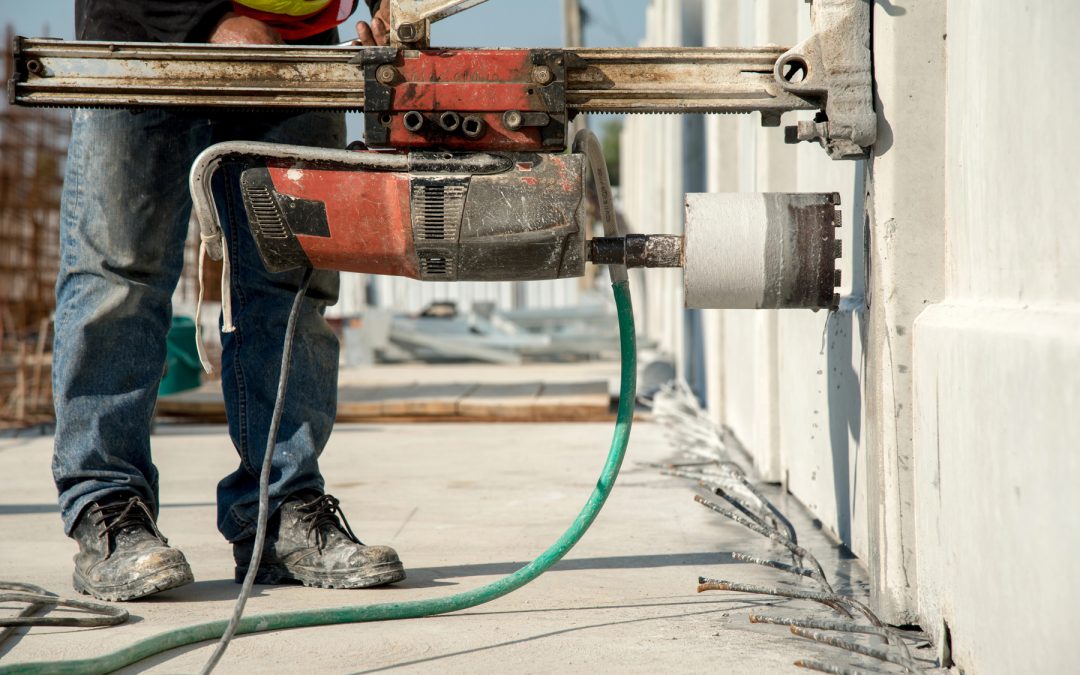
Choosing the right concrete core drillers can make the difference between a clean, accurate opening and a site headache that keeps growing. In Melbourne, where commercial fit-outs, renovations, infrastructure upgrades and apartment projects often happen in tight spaces, you need a drilling team that understands more than how to switch on a core drill.
I always look at core drilling as precision work rather than simply making a hole in concrete. The right contractor needs to understand the structure, access, drilling depth, diameter, reinforcement, nearby services and the finished result you expect. A sharp bit helps, but experience makes the real difference.
If you are comparing Concrete Core Drillers for a residential, commercial or industrial job, start with a team that can explain exactly how it will approach your project. A clear plan at the beginning can save you plenty of running around later.
Start by Checking Their Experience
The first question I would ask is simple: “Have you done this type of drilling before?” A contractor who regularly handles slab penetrations, service openings, plumbing penetrations, electrical pathways and mechanical installations will usually spot practical issues earlier than someone who treats every job the same.
Before you request a quote, define the hole requirements. Tell the contractor the diameter, approximate depth, number of holes, drilling position and whether you need through-holes or blind holes. If you have drawings, engineering details or service plans, share them early. Concrete core drilling becomes much easier to price and plan when everyone is working from the same information.
Check the Equipment They Use
Next, check the contractor’s equipment. Professional concrete core drillers should have equipment suited to the size and location of the opening, including suitable diamond core bits, drilling rigs and dust or water management systems. For larger diameters or difficult positions, the right rig can improve accuracy and reduce unnecessary vibration.
Consider Site Access Before Work Begins
Access matters more than many people expect. A beautiful drilling plan is not much use if the machine cannot reach the work area. Ask how the team will move equipment through doors, corridors, stairwells, rooftops or restricted plant rooms.
Good concrete core drillers think about access before arriving, not after unloading half the workshop onto your site. Discuss access conditions early, particularly if you are working in a busy commercial building or a restricted Melbourne site.
Put Safety High on Your Checklist
Safety should sit near the top of your checklist, especially when drilling existing concrete. Drilling can generate respirable crystalline silica dust, while hidden electrical, plumbing and structural services can create other serious risks.
In Victoria, WorkSafe provides specific guidance on controlling hazards associated with concrete drilling, including dust, vibration, noise, manual handling and damage to services. WorkSafe Victoria’s concrete drilling guidance is a useful reference when assessing how a contractor approaches site safety.
1. Check Experience with Your Type of Project
Not every concrete job is the same. A small residential penetration for plumbing has very different demands from repeated openings across a multi-storey commercial building.
Ask potential concrete core drillers about similar projects they have completed. You can also ask:
- Have you worked in occupied buildings?
- Can you handle reinforced concrete?
- Do you drill vertically, horizontally and overhead where appropriate?
- Can you work around existing services and restricted access?
- Can you complete multiple holes efficiently on a programmed site?
Specific experience matters because it helps the contractor anticipate problems rather than discover them halfway through the job.
2. Ask How They Manage Dust, Water and Slurry
Core drilling often uses water to cool the diamond bit and control dust. That creates another practical question: where does the water and slurry go?
Before work begins, ask how the concrete core drillers will contain slurry, protect finished surfaces and clean the area afterwards. This becomes particularly important inside offices, retail spaces, hospitals, apartment buildings and other occupied environments.
A good team should arrive with a plan for containment and cleanup. You should not have to discover a grey puddle running towards the lift lobby after the drilling is finished.
3. Confirm How They Handle Reinforcement and Difficult Concrete
Reinforced concrete can contain steel bars, mesh and other embedded materials. Your contractor should understand how reinforcement can affect drilling and how the job needs to proceed without creating unnecessary structural risk.
This does not mean the driller should make structural decisions on their own. If your engineer has specified a particular location, diameter or clearance, give those details to the drilling team. The best concrete core drillers know when to follow the plan and when to stop and ask a question.
4. Look for Accuracy, Not Just Speed
Fast drilling sounds attractive, but speed should never become the only measure of performance. You want the opening in the right place, at the right diameter and to the required depth.
Ask how the team checks measurements before drilling. Depending on the project, that may involve drawings, marked-out positions, measurements, scanning information or coordination with other trades.
A clean opening can make the next stage of construction much easier. A poorly positioned opening can create rework, delays and an awkward conversation with the site manager.
5. Compare Quotes Properly
Price matters, but comparing only the final number can hide important differences. When you receive quotes from concrete core drillers, check what each price actually includes.
| What to compare | Why it matters |
| Hole diameter and depth | Confirms the contractor has priced the actual drilling requirement |
| Number of holes | Helps you compare the total workload |
| Equipment | Shows whether the contractor has suitable machinery |
| Access requirements | Prevents unexpected charges for difficult locations |
| Water and slurry management | Clarifies site protection and cleanup |
| Labour | Helps you understand what is included in the quoted price |
| Waste removal | Avoids confusion about who removes cores and slurry |
| Timing | Helps you coordinate other trades and site access |
A slightly higher quote can make more sense if it includes proper preparation, experienced labour, suitable equipment and cleanup. The cheapest number on the page is not always the cheapest outcome.
6. Ask About Scheduling and Site Coordination
Melbourne construction sites rarely run in isolation. Your drilling may sit between plumbing, electrical, formwork, demolition, HVAC or other trades.
Reliable concrete core drillers should communicate clearly about arrival times, site requirements and expected drilling duration. If you have a narrow work window, tell them upfront.
I also recommend asking what they need from you before the crew arrives. Access permits, marked locations, drawings, parking arrangements, induction requirements and isolation details can all affect the day.
7. Make Safety and Communication Non-Negotiable
A professional contractor should be comfortable discussing safety rather than brushing the subject aside. Ask about site procedures, dust controls, equipment checks, exclusion zones and how the team identifies potential services before drilling.
Communication matters just as much. If the drilling crew finds something unexpected, you want them to stop, explain the issue and help you decide what happens next. That small habit can prevent a minor surprise from becoming a major site problem.
8. Ask What Happens After the Drilling
The job does not necessarily end when the core comes out. Depending on your project, you may need the concrete core removed, the area cleaned and the opening left ready for another trade.
Ask concrete core drillers whether their service includes core removal, slurry cleanup and basic site housekeeping. Also confirm whether you need to arrange any additional structural repair, waterproofing, fire stopping or finishing work after drilling.
A Simple Checklist Before You Choose
Before you book a contractor, I would run through this quick list:
- Confirm the hole sizes, depths and quantities.
- Provide drawings and marked drilling locations where available.
- Check access and working conditions.
- Ask about experience with reinforced concrete.
- Confirm dust, water and slurry controls.
- Ask how the team coordinates with existing services.
- Compare quotes based on inclusions, not just price.
- Confirm timing, cleanup and post-drilling requirements.
Why Local Melbourne Experience Can Help
Local knowledge can make project planning smoother. Melbourne sites can range from tight inner-city commercial spaces to suburban extensions and large industrial developments, and each environment creates different access and scheduling challenges.
Experienced concrete core drillers can also be more familiar with working around busy sites, occupied buildings and changing construction schedules. That practical awareness can save time when conditions are less than perfect.
Conclusion
Choosing concrete core drillers is really about choosing precision, planning and peace of mind. Look beyond the cheapest quote and assess the contractor’s experience, equipment, safety approach, communication, site management and ability to deliver the exact openings your project needs.
If you are planning core drilling in Melbourne, take the time to discuss your requirements before the work starts. Clear information leads to better preparation, and better preparation usually means fewer surprises on site. For help planning your next drilling job, Get in touch with our team.
Frequently Asked Questions
What does a concrete core driller do?
Concrete core drillers create precise circular openings through concrete, masonry and other hard materials using diamond core drilling equipment. The openings can support plumbing, electrical, mechanical, ventilation, fire services and other building requirements.
How do I choose concrete core drillers in Melbourne?
Look for relevant experience, suitable equipment, strong safety practices, clear communication, accurate drilling methods and transparent pricing. Ask for details about similar projects and confirm exactly what the quote includes.
Can core drilling go through reinforced concrete?
Yes, specialist diamond core drilling equipment can work through reinforced concrete. However, the contractor needs to understand the reinforcement and follow the project’s structural and safety requirements.
Is concrete core drilling messy?
It can create water and slurry, particularly when wet drilling is used. Professional concrete core drillers should have a plan for water management, slurry containment and cleanup so the surrounding area stays protected.
How much does concrete core drilling cost in Melbourne?
The cost varies depending on hole diameter, depth, quantity, concrete type, reinforcement, access, equipment and site conditions. The best approach is to provide clear job details and request a project-specific quote.
How long does concrete core drilling take?
A single straightforward hole may take much less time than a large batch of holes in a restricted area. Your contractor should assess the diameter, depth, access and number of openings before giving you a realistic timeframe.