
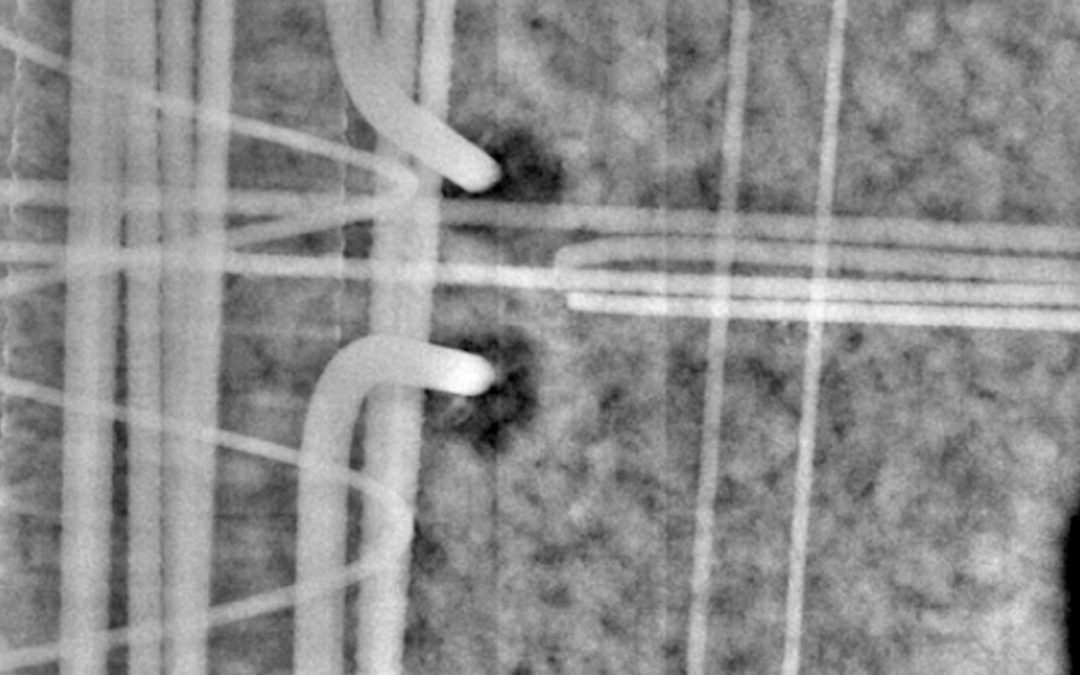
Older commercial buildings have character. They also have a habit of hiding things. That’s why a Concrete X-Ray Service can be so valuable when you’re planning drilling or renovation work in an ageing Melbourne property.
Behind a perfectly ordinary concrete wall or floor, you might find reinforcement steel, electrical conduits, plumbing lines or other embedded services. If you start drilling without knowing what sits inside, a simple renovation job can quickly turn into an expensive headache.
That’s where a professional Concrete X-Ray Service earns its keep. Instead of guessing what sits inside an ageing concrete structure, you can inspect it before drilling or coring. For Melbourne commercial properties, that extra visibility can make a serious difference to safety, cost and project planning.
Why Older Commercial Buildings Need More Investigation
Modern construction projects often come with detailed plans, digital records and neatly documented services. Older buildings don’t always offer the same luxury.
Over the years, commercial properties go through renovations, extensions, office refits, plumbing upgrades and electrical modifications. Contractors may install new services without completely updating the original drawings. Previous tenants may also have changed layouts or added infrastructure.
Eventually, the building becomes a bit like a layered history book – except some of the pages sit inside the concrete.
When you need to drill into an older slab, wall or structural element, the original plans may not tell you the whole story. A Concrete X-Ray Service can help you understand what lies beneath the surface before you make a permanent opening.
What Can Concrete X-Ray Scanning Detect?
Concrete X-ray scanning helps you investigate the inside of concrete without immediately breaking it apart.
Depending on the equipment, site conditions and scanning requirements, professionals can identify important embedded features such as:
- Reinforcing steel
- Post-tensioning elements
- Electrical conduits
- Metal pipes and services
- Voids and other anomalies
- Other objects embedded within concrete
This information gives your project team a clearer picture before drilling or coring begins.
That matters because you don’t want your drill to discover a concealed service before your eyes do.
Preventing Expensive Damage During Commercial Renovations
Imagine you’re refurbishing an older Melbourne office. You need several core holes for new plumbing, electrical services or mechanical systems.
The drilling itself might take minutes.
Repairing damaged reinforcement, relocating a service or dealing with an unexpected outage could take much longer.
A Concrete X-Ray Service gives you useful information before you commit to the drilling location. Your contractor can then assess the proposed penetration and determine whether the position needs to change.
That simple step can help reduce unnecessary repair work and keep your renovation moving.
Protecting Structural Components
Concrete doesn’t simply provide a hard surface. In many commercial buildings, it forms part of the structure that supports floors, walls, beams and other components.
Reinforcing steel plays an important role in helping concrete handle structural loads. Post-tensioned elements can also exist within some slabs and structures.
You don’t want to drill blindly through either.
Before making penetrations, scanning can help your team understand where important reinforcement or other embedded elements sit. This doesn’t replace engineering advice or structural assessment, but it can provide valuable information for planning the work.
For older buildings, that information becomes particularly useful when documentation is incomplete or previous modifications have changed the original layout.
A Safer Approach to Core Drilling
core drilling can all create risks when workers don’t know what sits inside the material.
A professional scanning process allows the team to investigate the proposed work area before drilling begins. The scanning results can then help workers make better decisions about locations, drilling paths and potential hazards.
There is another safety consideration worth mentioning: concrete work can generate respirable crystalline silica dust. Melbourne businesses should take appropriate precautions whenever construction activities can create silica exposure.
WorkSafe Victoria provides guidance on safe concrete drilling practices, including hazards associated with dust, vibration, noise, electrical damage and other risks. WorkSafe Victoria’s safe concrete drilling guidance
The key takeaway? Don’t treat scanning as an optional extra when the work involves uncertainty. Treat it as part of sensible pre-work planning.
Why X-Ray Scanning Makes Sense for Ageing Commercial Properties
There are several reasons older commercial buildings can benefit from concrete scanning before renovation work.
1. Original Plans May Be Incomplete
Older drawings may not show every service installed during later refurbishments. Scanning can help provide additional information about what’s actually inside the concrete.
2. Multiple Renovations Can Create Hidden Complexity
A building that has changed hands several times may have accumulated layers of electrical, plumbing, mechanical and structural modifications.
The older the building, the more valuable a little investigation can become.
3. Commercial Downtime Can Be Expensive
If a drilling mistake damages a critical service, your business may face delays, repairs and disruption.
For offices, retail spaces, warehouses and other commercial properties, avoiding unnecessary downtime can have a direct financial benefit.
4. You Can Plan Work More Confidently
Instead of relying entirely on assumptions, your contractor can use scan results to make informed decisions about proposed drilling locations.
That creates a smoother workflow from inspection through to construction.
Concrete X-Ray Service vs Guesswork: Which Approach Wins?
Let’s keep this simple.
| Approach | What you get |
| Drill without scanning | Higher uncertainty and potential for unexpected obstacles |
| Check old plans only | Useful background information, but plans may not reflect later changes |
| Scan before drilling | Additional information about concealed elements before work begins |
| Scan + drawings + professional assessment | A more informed approach to planning penetrations |
Scanning doesn’t magically remove every construction risk. No responsible contractor should promise that.
Instead, it gives you another layer of information – and that information can be extremely valuable when you’re working with an older structure.
When Should You Arrange a Concrete X-Ray Service?
You don’t necessarily need scanning for every tiny maintenance task. However, it becomes particularly valuable when you plan work that could interact with embedded components.
Consider arranging a Concrete X-Ray Service before:
- Core drilling through concrete slabs or walls
- Creating new service penetrations
- Installing plumbing or electrical services
- Installing mechanical systems
- Modifying older commercial floors
- Drilling concrete in uncertain locations
- Renovating buildings with limited structural documentation
- Working around suspected reinforcement or post-tensioning
If you’re unsure whether scanning makes sense for your project, speak with an experienced concrete scanning professional before work begins.
A short conversation at the planning stage can save a surprisingly long conversation after something goes wrong.
How Does Concrete X-Ray Service Work?
The exact process depends on the project, structure and equipment required, but the general workflow remains straightforward.
Step 1: Assess the Work Area
The scanning team reviews the proposed drilling or penetration locations and considers the surrounding structure.
Step 2: Prepare the Surface
The team identifies suitable areas for scanning and sets up the equipment.
Step 3: Scan the Concrete
Specialised equipment captures information from within the concrete. The technician interprets the results to identify potential reinforcement, services and other embedded features.
Step 4: Mark Relevant Findings
The scanning team can communicate important findings to the people carrying out the drilling.
Step 5: Plan the Work
Your contractor can then review the findings and decide whether the proposed location works or whether they should adjust it.
This process turns an uncertain drilling job into a much more informed one.
What Makes Scanning Especially Useful in Melbourne?
Melbourne has a huge mix of commercial buildings, from older inner-city properties and converted warehouses to established office buildings and industrial spaces.
Many of these properties have experienced multiple upgrades over their lifetime.
That creates a practical challenge for today’s contractors: the building you see today may not match the building described in its original plans.
Whether you’re fitting out a commercial tenancy in the CBD, upgrading an older industrial property or modifying an established office, you need to understand the structure you’re working with.
That’s where non-destructive investigation can provide real value.
Does Concrete X-Ray Service Damage the Building?
The purpose of concrete X-ray scanning is to investigate the concrete before invasive work takes place.
Rather than immediately drilling into the structure to discover what’s inside, scanning provides information that can help guide the proposed work.
That makes it particularly useful when you want to preserve an existing structure while planning new penetrations.
However, every project has different requirements. Building age, slab thickness, access, surrounding conditions and the type of embedded materials can influence which scanning method suits the job.
A professional assessment should determine the most appropriate approach.
How Much Does Concrete X-Ray Service Cost?
There isn’t one universal price for concrete scanning.
The final cost can depend on factors such as:
- Size of the scanning area
- Number of locations
- Concrete thickness
- Site access
- Number of proposed penetrations
- Project complexity
- Required equipment
- Melbourne site conditions
- Urgency of the work
It can be tempting to compare scanning costs against the price of simply drilling and hoping for the best.
I wouldn’t.
The more useful comparison considers the potential cost of hitting reinforcement, damaging a concealed service, delaying a project or creating additional repair work.
In that context, scanning can represent a relatively small planning cost compared with a major construction problem.
Common Mistakes to Avoid Before Drilling Older Concrete
Even experienced construction teams can run into trouble when they make assumptions.
Here are a few mistakes worth avoiding:
Relying only on old drawings: Treat plans as useful information, not necessarily the final word.
Assuming an empty-looking area is safe: Concrete doesn’t provide a window into its own interior.
Skipping scanning because the hole is small: A small penetration can still intersect an important embedded element.
Ignoring previous renovations: Later modifications may have introduced services that don’t appear on original documentation.
Treating scanning as a substitute for engineering advice: Scanning provides information. A qualified professional should determine what that information means for structural decisions.
Conclusion
Older commercial buildings can hide plenty of surprises. Some are harmless. Others can turn a straightforward renovation into an expensive construction drama.
A professional Concrete X-Ray Service gives you better visibility before you drill or core. It can help identify reinforcement and concealed services, support safer planning and reduce the chance of unnecessary damage.
For Melbourne commercial property owners, builders, facility managers and contractors, that extra information can make the difference between “Let’s hope this works” and “We know what we’re working with.”
If you’re planning concrete penetrations, renovations or service installations in an older commercial building, don’t leave the hidden details to chance. Get in touch with our team to discuss your scanning requirements and plan your next stage with greater confidence.
FAQs About Concrete X-Ray Services for Older Buildings
Is concrete X-ray scanning useful for old commercial buildings?
Yes. Older commercial buildings often have incomplete documentation or multiple layers of previous modifications. Scanning can help identify concealed elements before drilling or coring.
What can a Concrete X-Ray Service detect?
Depending on the scanning method and site conditions, professionals can identify reinforcement, post-tensioning elements, conduits, pipes and other embedded features within concrete.
Should I scan before core drilling?
Scanning can be a sensible step before core drilling when you don’t have reliable information about what’s inside the concrete. It can help your team choose a more suitable drilling location.
Can scanning prevent damage to reinforcement?
Scanning can help locate reinforcement before drilling, which gives the project team useful information for selecting or adjusting penetration locations. It cannot guarantee that every risk will disappear.
Is concrete scanning necessary for every Melbourne commercial project?
Not necessarily. The need depends on the building, proposed work, available documentation, structural conditions and the risks associated with the penetration. A professional assessment can help determine whether scanning is appropriate.
How early should I arrange concrete scanning?
Ideally, arrange scanning during the planning stage, before drilling starts. Early scanning gives your contractor more time to review the findings and adjust the work plan if necessary.