
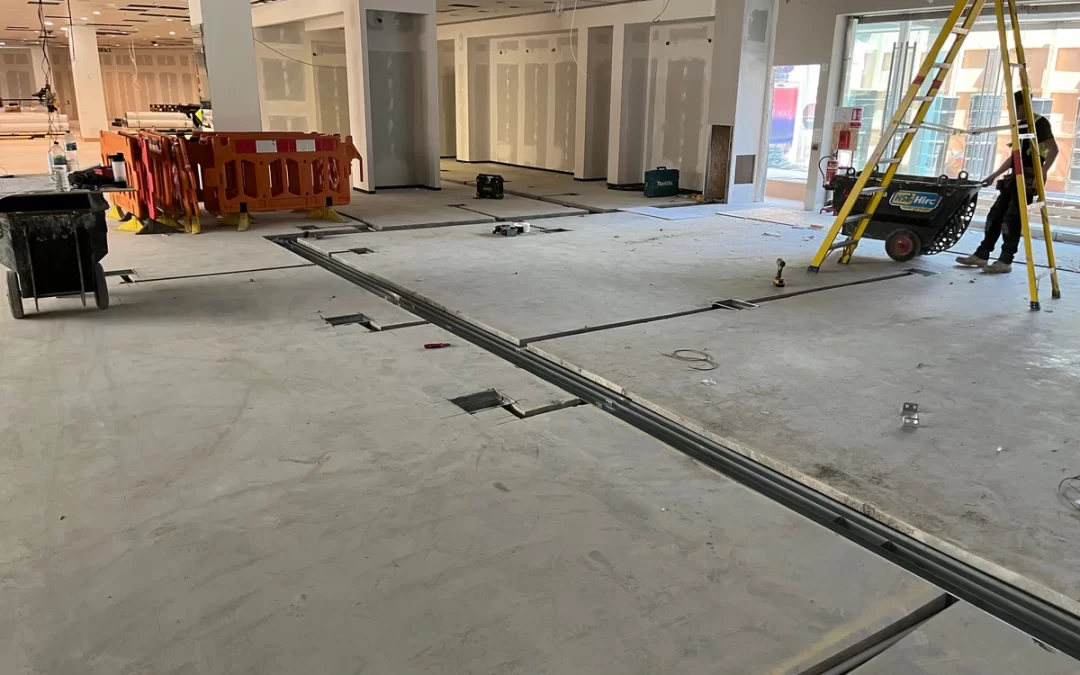
If you have ever looked at a sleek new home, a polished office fit-out, or a fresh renovation and thought, “How do all those cables disappear so neatly?” The answer is often Concrete Chasing. It is one of those behind-the-scenes jobs that rarely gets applause, yet it holds the whole electrical setup together like a good tailor holding a sharp suit together.
In modern builds, people want clean walls, smart layouts, and no ugly surface cables doing laps across the room. That is where Concrete Chasing steps in and quietly saves the day. It creates neat channels in concrete or masonry so electricians can hide wiring, conduits, and services without turning your wall into a spaghetti disaster.
If you are planning a renovation or new fit-out, you can see how this approach works in real projects through Concrete Chasing in Melbourne. It gives you a clearer idea of how the process supports modern electrical work while keeping the finished space looking sharp.
What Concrete Chasing Actually Means
Concrete Chasing is the process of cutting narrow grooves into concrete, brick, or block walls so electrical cables and conduits can sit inside them. After that, the channel gets filled back in and finished off neatly. The result? Your wiring disappears into the structure instead of hanging around like it owns the place.
I like to think of it as giving electricity a proper hallway instead of making it climb over furniture. It keeps the installation cleaner, safer, and easier to finish.
Why Modern Electrical Installations Rely on It
Modern spaces are busier than ever. We want more power points, stronger internet connections, better lighting, security systems, home automation, and maybe a few extras for good measure. All of that needs wiring, and that wiring has to go somewhere.
Concrete Chasing helps electricians:
- run cables neatly inside walls
- keep surfaces clean and uncluttered
- avoid messy external trunking
- create a more professional finish
- make upgrades easier during renovations
In other words, it turns a good installation into a great one. And in Melbourne, where renovations, apartment upgrades, and commercial refits never seem to slow down, that matters more than ever.
The Real Benefit: Looks, Safety, and Function
This is not just about making things look tidy, although that certainly helps. Concrete Chasing supports three big wins at once: appearance, safety, and practicality.
When cables sit properly inside chased channels, you reduce visual clutter and protect the wiring from damage. That matters in homes with kids, busy office spaces, retail areas, and anywhere people move around a lot. You also give the electrician a more controlled path for the installation, which usually means a better end result.
Here is the simple truth: good electrical work should not shout. It should work hard in the background and look effortless at the same time. That is exactly what Concrete Chasing helps achieve.
Concrete Chasing vs Surface Wiring
Some jobs suit surface wiring, but many modern projects do not.
| Option | Appearance | Protection | Best for | Common downside |
| Concrete Chasing | Clean and hidden | Strong | Renovations, new builds, premium finishes | More labour and planning |
| Surface Wiring | Visible | Moderate | Quick upgrades, temporary setups, exposed industrial spaces | Less tidy look |
| Cable Trunking | Semi-hidden | Good | Offices, shops, fast installs | Can still look bulky |
If you want a refined finish, Concrete Chasing usually wins. If speed matters more than appearance, surface options may make more sense. The right choice depends on the space, budget, and how polished you want the final result to feel.
Where You See Concrete Chasing Most Often
I see Concrete Chasing come up again and again in places like:
- home renovations
- apartment upgrades
- kitchen and bathroom remodels
- office fit-outs
- retail spaces
- new home electrical rough-ins
- media wall and TV installations
It is especially useful when you want to hide wiring for lighting, data points, air conditioning controls, security cameras, or entertainment systems. Basically, if the project needs a neat finish and reliable wiring, Concrete Chasing earns its keep.
Why Melbourne Projects Need It More Than Ever
Melbourne loves design that feels modern, minimal, and functional. Whether you are working on a Carlton terrace, a Docklands apartment, or a suburban family home, people expect cleaner finishes than they did a generation ago.
That is why Concrete Chasing has become such a practical part of electrical planning. It helps bring older buildings up to modern expectations without making them look patched together. It also gives renovators more freedom to place switches, outlets, and lighting where they actually make sense, not just where the old wiring happened to be.
Safety Matters More Than Ever
When people hear “cutting concrete,” they usually picture dust, noise, and a whole lot of heavy-duty gear. Fair enough. It is a serious job, and it needs to be done properly. WorkSafe Victoria has clear guidance around electrical safety and construction work, which is exactly why careful planning matters before anyone starts chasing walls. You can read more through WorkSafe Victoria.
That is why I always treat Concrete Chasing as a job for trained professionals who understand the structure, the wiring plan, and the risks. Good preparation protects the people on site, the building, and the final electrical installation.
What Makes a Good Concrete Chasing Job
Not all chasing jobs are equal. A clean, accurate result depends on the right tools, the right depth, and the right layout. A good electrician or chaser will usually:
- map the cable routes first
- check what sits inside the wall
- chase only where necessary
- keep grooves neat and even
- avoid cutting into structural weak points
- finish the channel properly before repainting
That attention to detail is what separates a sharp-looking job from a rushed one. Concrete Chasing should feel invisible once it is done. That is the whole point.
Common Mistakes to Avoid
I have seen a few chasing jobs go sideways, and they usually fail for the same boring reasons: poor planning, rushed cutting, and too much confidence with not enough checking.
Watch out for:
- chasing too deep
- ignoring pipes or hidden services
- cutting without a proper layout
- leaving rough edges that crack later
- skipping dust control
- trying to force wires into a badly cut groove
A good Concrete Chasing job respects the wall, the wiring, and the final finish. You do not want a “close enough” result when the whole point is precision.
Concrete Chasing and Renovation Planning
If you are renovating, I would suggest thinking about Concrete Chasing early, not after the plasterer has already packed up and gone home. Once the electrical plan is locked in early, everything becomes easier.
That includes:
- deciding where switches should sit
- planning power points around furniture
- placing lighting for better flow
- running data cables for work-from-home setups
- hiding cabling for TVs and sound systems
A smart layout saves time, money, and headaches later. And honestly, nobody wants to pay twice because the wiring idea came five minutes too late.
Is Concrete Chasing Worth It?
For most modern electrical installations, yes. It gives you a cleaner look, a more considered finish, and a setup that feels built for the space instead of squeezed into it.
Of course, every property is different. Some walls suit chasing well, while others need a different approach. But when the design calls for hidden wiring and a polished result, Concrete Chasing usually makes the job easier to live with and better to look at.
It is one of those trades services that disappears when done well, which is probably the highest compliment you can give it.
Conclusion
Concrete Chasing is essential because modern electrical installations are no longer just about getting power from A to B. They are about cleaner design, safer wiring, smarter layouts, and finishes that actually match the way people live and work today.
If you are building, renovating, or upgrading a space in Melbourne, I would treat Concrete Chasing as a core part of the plan, not an afterthought. Done properly, it helps your electrical work look sharp, function better, and stay neatly out of sight.
If you are planning a renovation or new electrical installation, speak with a qualified trades professional early and map out your chasing needs before the walls are closed up. That one step can save you a heap of trouble later.
FAQs
What is Concrete Chasing used for?
Concrete Chasing creates channels in walls so electricians can hide cables and conduits inside concrete or masonry.
Is Concrete Chasing safe for all walls?
No, not every wall suits chasing. Some walls are structural or contain hidden services, so a proper assessment matters first.
Does Concrete Chasing make a room look better?
Yes. It helps hide wiring, which gives rooms a cleaner, more modern finish.
Is Concrete Chasing only for new builds?
No. It is also common in renovations, apartment upgrades, office refits, and kitchen or bathroom renovations.
Why do electricians prefer Concrete Chasing for modern installs?
Because it gives them a neater, safer, and more professional way to route wiring through a building.
Can Concrete Chasing be done in Melbourne homes?
Yes, it is common in Melbourne homes, especially during renovations and electrical upgrades.
Does Concrete Chasing create a lot of dust?
It can, which is why proper dust control, equipment, and preparation matter so much.
How do I know if my project needs Concrete Chasing?
If you want hidden wiring and a neat finish, ask your electrician whether Concrete Chasing suits your wall type and layout.