
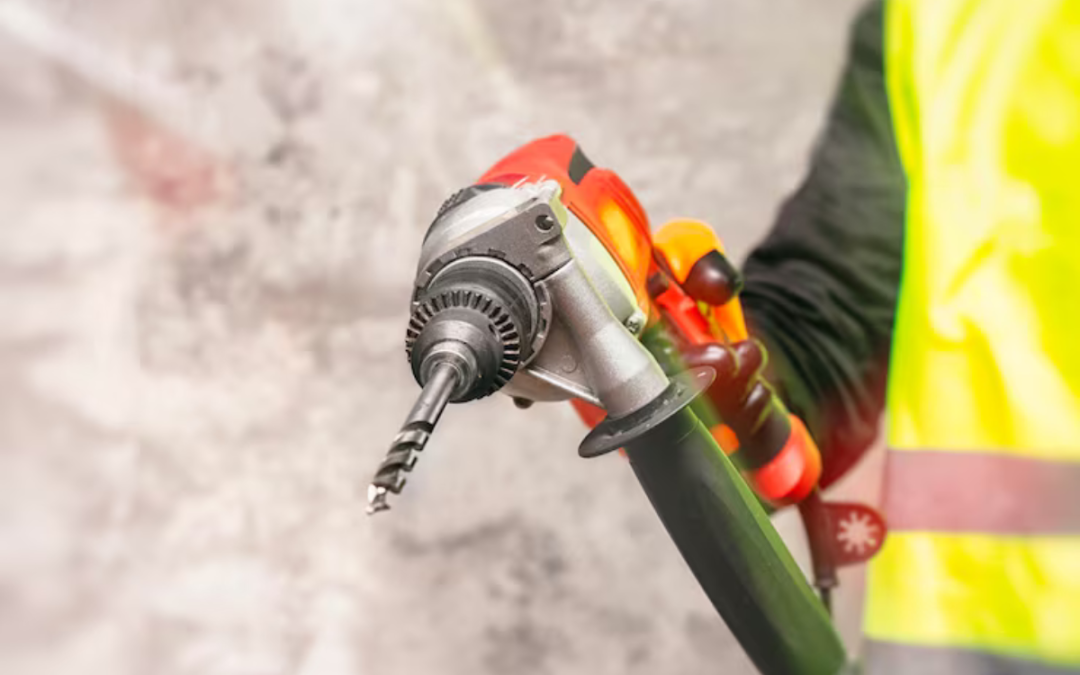
Electric core drills have completely changed how we tackle concrete in Melbourne. I still remember the first time I traded a dusty old jackhammer for one of these sleek machines – it felt like using a scalpel instead of a sledgehammer. Concrete drilling once meant endless dust, loud noises and cracked edges; now it’s quick, neat and almost fun. Whether you’re a tradie running cables under the deck or a DIY renovator making new plumbing holes, an electric core drill makes the job smoother and safer.
Precision and Clean Holes
The biggest thrill of an electric core drill? Precision. You can drill a perfect circular hole – no jagged edges or chipped tiles. The bit spins smoothly, carving out concrete like butter. I love how the finish is so clean that sometimes you might not even need to patch up the edges. It’s one of those moments when it feels like you’re wielding a surgeon’s tool with construction gear.
The beauty of core drilling is that it literally preserves your work. Your walls, floors or ceilings stay intact except for that neat round hole. Installing pipes or cables through concrete feels like removing the annoyance without wrecking the wall. It keeps the building’s integrity in check and avoids any “uh-oh, did I hit a wire?” surprises.
And hey, if you’d rather not wrestle the drill yourself, that’s where professionals come in. In fact, for a flawless job I’ve even called on the Best Electric Core Drill Service in Melbourne. They showed up with the right bits and gear and made those holes magically appear exactly where we needed them without turning the whole wall into rubble. With the right team, you save time and headaches on the trickiest jobs.
Speed and Efficiency
Time is money on any job site, and electric core drills are time-savers. These beasts spin up in seconds and drill through thick concrete faster than hammering away would. A seasoned operator can nail dozens of holes in the time it might take to make one by hand.
It’s a productivity boost, projects stay on schedule and fewer labour hours mean fewer dollars burned. For example, once I needed to drill ten holes in a single concrete slab for plumbing, a chore that would have taken a full day by hand. The electric core drill wrapped it up by lunchtime, no sweat, mate.
The secret is power. Many electric core drills pack a high-amperage motor (we’re talking serious wattage) and multi-speed settings. High torque at low RPM lets you bore big holes (think hundreds of millimeters across) without stalling the motor.
And a quick twist of the dial speeds things up for smaller penetrations. Some rigs even have soft-start and slip-clutch features to protect the user and tool – no one likes that scary kickback when a bit jams.
It feels effortless compared to hacksaws or hammer drills. One minute I’m lining up a hole, the next it’s done, with water-cooling keeping the bit chill and dust down. Less rework and fewer surprises – it’s like slicing through the job with efficiency that beats old-school methods, every single time.
Cleaner, Quieter, Safer Worksite
An electric core drill doesn’t just make holes; it makes a better atmosphere on site. Ever tried sleeping while someone chiseled through concrete next door? With an electric core drill (especially in wet mode), the noise and dust are dramatically lower.
The water feed (and vacuum if you have one) traps the fine silica dust, so you and your neighbours breathe easier which is a real bonus for those of us conscious of lung health.
And since it’s electric-powered, forget toxic fumes.
Even WorkSafe Victoria’s Safe concrete drilling industry standard recommends electric (not petrol) equipment in confined spaces, keeping the air clean and hazard-free.
That’s a fancy way of saying it’s safe to drill in tight indoor spots without revving an engine. It all adds up to a calmer, cleaner job site, less disruption to your crew and no more ear-shattering chaos.
Vibration is another win. A core drill mounted on its stand is rock-solid, so you don’t feel every thump in your arms. No more jangling your insides with each hit as you do with a breaker. It’s simply a smoother ride on your body.
In short: drilling a concrete slab with a core drill feels like going on a gentle joyride instead of a rollercoaster.
Versatility and Convenience
Whether it’s a 25mm hole for an anchor or a meter-wide opening for ductwork, electric core drills have you covered. They come in all sizes and shapes from handheld units to huge floor-standing rigs.
I’ve even seen these rigs tilted at odd angles to drill through slanted surfaces. One minute you’re drilling straight down, the next you’re going through a ceiling – all without breaking a sweat. They’re like the Swiss Army knife of concrete tools.
Beyond concrete, these drills can drill through brick, stone, and even asphalt if you have the right bit. That means one tool covers just about any hard material a tradie might need to punch through.
Portability is surprisingly good, too. Many drill stands have wheels or handles, and while the machine feels hefty, it’s often lighter than a big petrol-powered rig. One model I rented had casters and quick-lock levers, making it a breeze to swap bits or adjust angles.
For Melbourne jobsites where every inch (and noise complaint) counts, that mobility is a lifesaver.
I should also mention maintenance of fewer oils and spark plugs here. Electric drills have fewer moving parts, so upkeep is mostly about cleaning and swapping bits. No mixing fuel or dealing with engine hiccups means less downtime. Plug it in, spin the switch, and you’re off – one more way the electric route simplifies life on site.
| Feature | Electric Core Drill (wet) | Traditional Drilling |
| Noise & Vibration | Low (especially when wet) | High – jackhammers roar |
| Dust & Debris | Very low (water/vacuum suppresses dust) | High (dry drilling dust) |
| Hole Precision | High – perfectly round holes | Low – rough, irregular holes |
| Typical Uses | Pipes, wires, anchors, HVAC openings | Demolition, breaking concrete |
Conclusion
Electric core drills are, plain and simple, a game-changer for concrete work. They deliver surgeon-level precision, slash cleanup time, and spare our ears (and lungs) the worst of dust and fumes. Next time you’re about to tackle that slab or wall, remember: an electric core drill is your secret weapon.
In fact, investing in the right tool pays dividends – core drills save you time, avoid costly repairs, and deliver pristine results. Go on drill smart and make your next project a breeze! Ready to drill smarter? Visit Just Cores site or call their team today for expert advice and equipment rentals.
Frequently Asked Questions
What is an electric core drill and how is it different?
An electric core drill uses a powerful motor and a diamond-tipped hollow bit to drill precise circular holes in concrete. Unlike hammer drills or jackhammers, it removes material cleanly and produces much less damage to the surrounding structure.
Why use wet coring instead of dry?
Wet coring keeps the bit cool and suppresses silica dust. Safety guidelines strongly recommend using water when drilling concrete, as it minimizes dust and protects workers’ health.
Can I use a battery-powered core drill?
Battery-powered models exist for small jobs, but for heavy-duty or continuous work a corded electric core drill is usually best. You get consistent power and no downtime for recharging.
Is a core drill worth it for DIY home projects?
Absolutely. For serious renovations, an electric core drill makes tasks like running pipes or cables through concrete much easier and neater. Even pros often rent one to save time and get perfect holes.
How big of a hole can I drill with an electric core drill?
Electric core drills come in various sizes, from small handheld units to huge stand-mounted rigs. They can handle holes starting from around 20mm diameter up to well over 1000mm with the right equipment – far beyond the capability of standard drills.
How do I stay safe with an electric core drill?
Always use the drill stand or rig, wear safety gear (glasses, ear protection, gloves), and use water or a vacuum to control dust. Check for hidden pipes/wires first. And remember: official guidelines advise choosing electric over petrol tools in enclosed spaces to avoid fumes.
·