
Imagine you’re renovating a Melbourne home or upgrading an office in the CBD, and suddenly you need to run a new pipe or cable through a thick concrete slab. Drilling a neat hole in concrete used to be a nightmare – jackhammers roar, dust flies everywhere, and walls crack. But with concrete coring services, the process is clean, quick, and precise.
In essence, concrete coring (also known as core drilling) uses powerful drills with diamond-tipped bits to drill perfect circular holes through concrete. It’s like using a scalpel instead of a sledgehammer – you get exactly the hole you need with minimal fuss. These services have become essential in modern construction because they make all sorts of installations (plumbing, electrical, HVAC, anchors, etc.) far smoother.
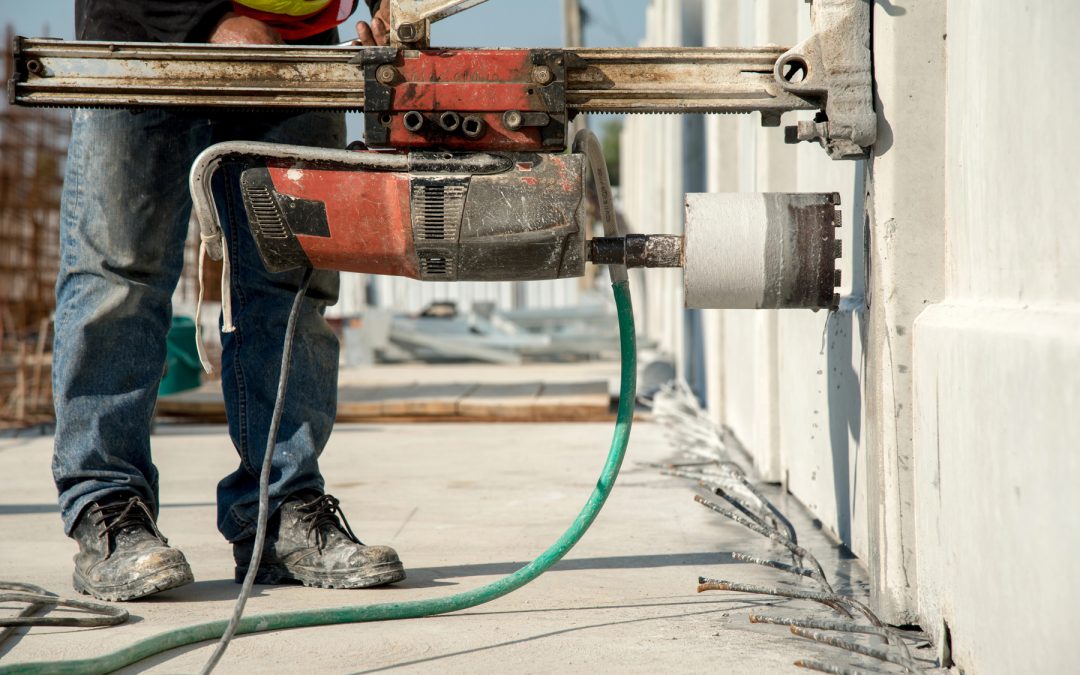
Concrete coring works by rotating a hollow, diamond-coated bit to core out a cylindrical section of concrete. The bit is cooled with water and often paired with a vacuum to capture dust, so the site stays tidy.Unlike brute-force methods, coring leaves clean edges and intact surroundings.For example, a 100 mm hole for a plumbing pipe comes out perfectly round, with no jagged chips to patch later.
You can drill straight through floors, walls or even ceilings – sometimes at angles – without compromising the building’s integrity. In practical terms, this means electricians, plumbers and builders can install pipes and cables faster and with less demolition than ever before. (Not surprisingly, Melbourne’s builders often treat core drilling like an art form – precise and efficient.)
When it comes to specialist services, professionals abound. For instance, if you need holes for waste stacks, water lines or mechanical risers, you might engage Expert Concrete Coring Services in Melbourne – companies staffed by experienced crews who handle everything from 12 mm holes to meter-wide penetrations.
These experts use industrial rigs and scanning gear to map out exactly where to drill (more on scanning below). Their work ensures that critical systems (like fire sprinklers or sewer lines) slot into place without a hiccup. Even on big jobs – say a new apartment block or office fit-out – these core drilling teams can blast out dozens of holes in a day, keeping projects on schedule.
Modern concrete coring also starts long before the drill bit hits the wall. Today’s teams typically run a pre-drilling scan of the slab or wall to avoid surprises. Using 3D concrete scanners or Ground Penetrating Radar, they can pinpoint hidden pipes, wiring or rebar under the surface. This isn’t just good practice – it’s smart safety.
Melbourne builders know the last thing you want is to plunge a drill into a live cable or a support beam. By scanning first, the drilling stays on the money and on the safe side. This careful planning is part of why concrete coring is trusted over old-school demolition; it’s non-destructive and keeps the structure sound.
For electrical and data installations, the story’s similar. Installing conduit or cabling through concrete walls is a breeze with core drills – and again, specialists are on hand. If you need holes for cable trays or electrical conduits, you’d call on an Expert electric core drill service in Melbourne to do the trick.
They have the right-size bits and stands to bore through slabs and walls for wiring. Think of them as the magicians who make holes appear exactly where you want them, without turning the whole wall into rubble. This is a far cry from older, far more disruptive methods.
Key Benefits of Concrete Coring
- Precision & Clean Finish: Core drills carve out perfect round holes, leaving smooth, clean edges. No more jagged holes that need filling or repairing.
- Minimal Disruption: Unlike hammer drills or heavy machinery, coring is surprisingly quiet and vibration-free. You won’t feel the whole building shake. This makes it ideal for live sites like hospitals or apartments where tenants are present.
- Less Dust & Debris: Wet coring (using water) and vacuum systems dramatically reduce dust. The job site stays much cleaner, which saves cleanup time and keeps workers healthy.
- Versatility: Core drills tackle concrete, brick, limestone—even asphalt or steel. They can operate horizontally, vertically, or even overhead, and come in sizes from a few centimetres to over a metre in diameter. So whether you’re putting in tiny anchor bolt holes or giant duct openings, there’s a bit for that job.
- Preserves Structure: Drilling a neat hole is far gentler on the building than jackhammering. Surrounding walls, floors and tiles stay intact. This helps maintain structural strength and aesthetics, which is crucial in heritage renovations or finished interiors.
- Speed & Efficiency: Core drills work faster than manual methods. A skilled operator can make many holes in the time it would take to make one rough opening with a hammer and chisel. Faster drilling means projects stay on schedule and (usually) under budget.
- Cost-Effective: In the long run, precise drilling often reduces costs by preventing damage (and rework), reducing labour time, and avoiding the need for heavy demolition gear.
To see how coring compares to other methods, consider this quick comparison:
| Method | Noise & Vibration | Dust & Debris | Precision | Typical Use |
|---|---|---|---|---|
| Core Drilling | Low noise/vibration (especially wet) | Very low (water/vacuum suppresses it) | High – round, clean holes | Drilling holes for pipes, cables, anchors |
| Jackhammer/Breakers | Very high noise/vibration | High (dust & chunks fly) | Low – rough, irregular | Demolition or breaking up concrete |
This table highlights why core drilling often wins out for installation work: it makes holes without making a mess.
Another useful way to break it down is wet vs. dry coring. In many Melbourne projects, you’ll see wet coring (with water) used for bigger holes because it cools the bit and captures dust. Dry coring (no water) is handy for small penetrations indoors where water might be an issue (e.g. near electrical gear).
In all cases, the drill bits are usually diamond-coated to drill fast through tough concrete, and they rely on solid rigs or even hydraulic drives for the really large-diameter cores.
Why Construction Pros Depend on Coring
Modern construction is all about efficiency and precision, and coring services fit that bill. In Melbourne’s growing construction scene, from high-rise apartments to hospitals and tunnels, you need solutions that work seamlessly. Core drilling fits the bill:
- Compliance and Safety: Regulatory guidelines (like WorkSafe Victoria’s concrete drilling industry standard) insist on minimizing risk. Trained core drilling crews follow these rules by using proper scanning, barricades and protective gear. You could even say these professionals are WorkSafe‑approved magicians of the concrete world – doing a tricky job safely. For instance, WorkSafe Victoria explicitly outlines methods to control hazards like dust, vibration, and buried utilities when drilling concrete. By adhering to those standards, core drilling services help ensure work is done safely and within legal requirements. WorkSafe Victoria provides further detailed safety protocols for these operations.
- Expertise: Modern coring rigs are high-tech. Some newer drills have laser guidance or digital monitoring so operators hit their mark every time. Companies continuously update their toolboxes with the latest systems (even IoT-enabled drills that send data back to the office!). Having a specialist at the wheel – someone who has drilled thousands of holes – means they know exactly how fast to spin the bit and how to move steadily. The result? A hole placed exactly where you want it, without guesswork.
- Versatile Applications: If your project involves installing plumbing, electrical, fire protection, HVAC ducts, structural anchors, or even camera mounts, you’ll need holes. In fact, anywhere you see a neat round hole in concrete on a construction site, that’s likely the work of a core driller. These experts work on floors, walls, ceilings, roads and bridges alike. For example, to put in bollards at a store front or drainage pipes under a road, coring does the job cleanly. It even extends to special cases: under-water coring for dams, inverted drilling to bore from below, and more.
- Sustainability & Cleanup: Concrete waste is a pain to haul away, and lots of noise upsets neighbours. Core drilling reduces waste (because most of the core can sometimes be reused or tested rather than smashed to rubble) and keeps noise to a minimum. Wet coring recycles water rather than spreading dust. All this means less environmental impact and a smoother approval process in the city where rules are tight.
The bottom line? Concrete coring isn’t just a convenience – it’s often the only practical solution in modern building and renovation. It opens the door (literally and figuratively) to installing new systems without tearing everything apart. From ambitious new projects to retrofitting historical sites, core drills make sure the job moves forward.
In practice, you might see this: a work crew rolls in with a tall core drill stand, parks it on the concrete, and starts drilling. Behind the scenes, they’ve already checked blueprints, scanned for steel and pipes, and chosen the exact bit size. The drill whines steadily, water pumps through it, and out comes a round plug of concrete (sometimes saved for strength testing). Next minute, the plumber or electrician slides a pipe right through the hole. Minimal fuss.
Construction professionals will tell you that the only way to know what’s in or under a concrete slab is to scan before you bore. By combining tech, skill and the right equipment, modern concrete coring services deliver that perfect hole every time. It’s a key piece of the puzzle in keeping projects efficient, safe and up to code – not to mention on time and on budget.
Conclusion
Concrete coring services have revolutionized how Melbourne builds and renovates. By drilling precise, clean holes instead of breaking up slabs, they save time, money and stress. These services come with layers of safety and expertise (think scanning for hazards, following WorkSafe guidelines, and using top-grade diamond equipment). Whether you’re upgrading a kitchen, fitting out an office or constructing a highway overpass, coring is the smart choice. It’s the difference between chaos and control.
Feeling convinced? The next time your project calls for pipes or wires through concrete, remember: the right core drilling team can make it easy. Chat with a trusted drilling specialist or ask your contractor about precision coring. You’ll get the job done fast, keep everyone safe, and avoid the nightmare of dusty, sleepless nights. Go on – give your construction project the precision it deserves.
Frequently Asked Questions
Q: What exactly is concrete coring (core drilling)?
A: Concrete coring is a technique where a specialized drill (usually water-cooled and diamond-tipped) drills out a round “core” of concrete. This creates a clean, circular hole, perfect for things like pipes, cables or anchor bolts. It’s essentially precision drilling for concrete.
Q: Why use core drilling instead of a regular jackhammer?
A: Core drilling makes a specific, neat hole without shattering the surrounding concrete. A jackhammer just breaks up concrete randomly, which is noisy, slow and damages a bigger area. Coring is quieter, faster for creating holes, produces less dust, and leaves intact edges that usually need no patching.
Q: Is core drilling safe?
A: When done by trained professionals, yes. Core drill operators use safety gear and follow guidelines (like those from WorkSafe Victoria). They always scan for hidden hazards first and control dust and debris during drilling. Compared to old methods, coring is actually safer because it’s more controlled and causes less structural stress.
Q: Do I need to scan before core drilling?
A: Absolutely. Best practice (and often a legal requirement) is to do a concrete scan first. Scanning with radar or sensors lets drillers see any steel rebars, pipes or wires. This avoids accidentally hitting something important. Concrete scanning keeps work safe and prevents costly mistakes or injuries.
Q: What’s the difference between dry coring and wet coring?
A: Dry coring means drilling without water, so you get dry dust (often collected by a vacuum). It’s useful in places where water isn’t allowed (like inside a finished building). Wet coring uses a steady stream of water at the drill bit. This cools the bit and turns debris into slurry. Wet coring is common for larger holes and helps keep dust down.
Q: What kinds of projects use concrete coring?
A: Tons of them! Anywhere you need penetrations in concrete: plumbing and drainage pipes in houses, electrical or data conduits in offices, HVAC vents in malls, anchors for bolting equipment, even sampling concrete in engineering tests. In Melbourne, builders use coring for new builds, renovations, roadworks, hospitals, schools – basically almost any construction project.
Q: How do I find a reliable coring service?
A: Look for experienced companies in Melbourne that specialize in concrete drilling. Check that their crews are trained, insured, and have modern equipment (ideally with up-to-date scanning tech). Ask for references or reviews – a good coring company will show you past jobs and safety records. Always get a quote and make sure it’s based on scanning/site inspection, not just guessing.