
You know that one thing that ruins a great room? The cable spaghetti. You mount the TV, you buy the clean-lined furniture and then a power lead dangles down the wall like it owns the place.
Concrete looks sharp and it feels solid, but it doesn’t “forgive” messy services the way plaster does. If you want that sleek, modern finish in Melbourne, you need a way to tuck wiring and small services out of sight—without doing anything dodgy.
That’s where professional concrete chasing in melbourne helps. I’ll show you what concrete chasing involves, why it suits modern homes, how tradies tackle it safely, and what it tends to cost.
What concrete chasing is and when you’ll use it
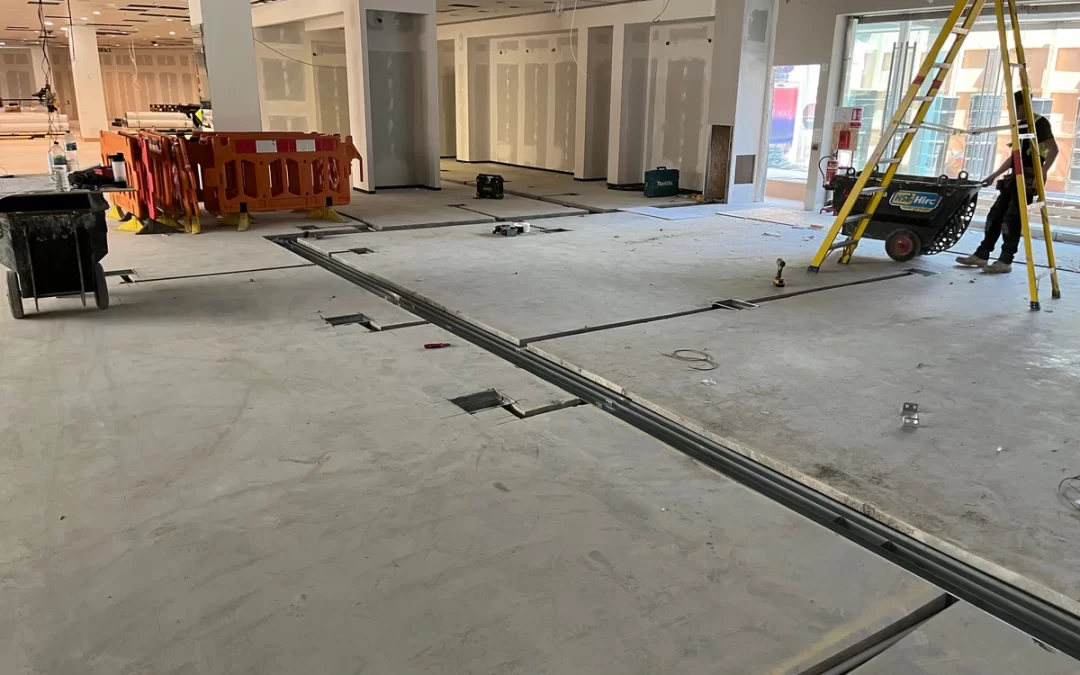
Concrete chasing means cutting a narrow channel into concrete or masonry so tradies can run conduit, cables, or small pipework inside the surface instead of across it. After the cut, you patch and refinish so the wall looks normal again.
You’ll see concrete chasing pop up in real life when you want:
– wall-mounted TVs (power + data)
– downlights, feature strips, and wall sconces
– home-office data points (because Wi‑Fi can only do so much)
– a tidy commercial fit-out that doesn’t scream “temporary”.
Chase size matters. A slim data cable needs far less space than PVC conduit, and plumbing needs more again. Some industry examples describe “single” and “double” chases around 25×25 mm and 50×25 mm—handy reference points when you scope the job.
Benefits that make it worth it
I’ll be honest: you don’t do this just because you can. You do it because you want the space to look intentional.
Concrete chasing gives you cleaner lines (no surface conduits), better protection for cabling, and a setup that stays out of the way in tight spots like hallways, garages, and busy workspaces.
It also aligns with the “young professional” reality: cleaner WFH setups, proper data points, and rooms that look styled instead of “someone hid a cord behind a plant and called it a day.”
How the process works
This part matters, because a good process turns concrete chasing into a clean upgrade—while a sloppy one turns it into a dusty regret.
Route planning and wall “rules”
First, you plan the route: where services start, where they finish, and how you keep runs short and straight. Every extra bend adds time and patching—and it often shows under paint.
If you chase masonry or fire‑rated walls, keep it conservative. Guidance based on AS 3700 notes that chases and recesses can affect wall performance, and one fire-design guide discusses shallow recess limits (for example, 30 mm max depth) and keeping horizontal chases to a minimum.
Locate the stuff you can’t see
Concrete can hide reinforcement, embedded services, and in some buildings, post‑tensioning. Some providers pair chasing with pre‑chase scanning specifically to avoid rebar, post‑tension cables, or live services.
If you suspect post‑tensioned slabs, you need extra care. Post-Tensioning Institute of Australia publishes guidance on safely locating and cutting penetrations through bonded post‑tensioned slabs after construction—so yes, you plan and mark before you cut.
Cut, break out, clean up
Trades typically use a diamond wall chaser to cut two parallel lines, then they break out the middle strip and clean the channel. A hire listing describes a wall chaser as an electric, twin diamond blade tool designed to recess pipes, cables and conduits, and a Melbourne hire spec lists around 40 mm max cutting depth with about 39 mm max cutting width.
Now the safety reality check: during concrete chasing, cutting can generate respirable crystalline silica dust. WorkSafe Victoria explains that crystalline silica sits in common building materials (including concrete and brick), and cutting or grinding can generate fine dust that can seriously harm health over time.
When I work with good operators, they treat dust control like baseline hygiene: on‑tool extraction, containment, and the right PPE. WorkSafe also talks about controlling risk by applying the hierarchy of control—not relying on PPE alone.
Insert image of: a wall chaser connected to a vacuum, with clean parallel cuts (close-up, satisfying).
Services go in, wall looks normal again
After the cut, the electrician or plumber installs the services, then you patch and refinish. Good making-good makes the chase disappear, which is the whole point.
If the work forms part of bigger alterations, you may need to think about permits. Victorian consumer guidance says you should check if you need a planning permit, and it describes the building permit as written approval from a registered building surveyor that allows building work to start.
Concrete chasing costs in Melbourne
I’ll give you the honest answer: nobody prices concrete chasing like a supermarket shelf. The wall, the access, the finish, and the dust controls all move the needle.
Many contractors price wall chasing by the linear metre, then adjust for depth, width, material hardness, and access.
A realistic budgeting framework
Use this simple stack when you compare quotes:
Total ≈ minimum charge / call‑out + (metres × rate) + scanning (if needed) + making good
For general concrete cutting, an Australian cost guide links per‑metre price to depth (for example, around $20 per metre at 100 mm depth and around $30–$50 per metre at 300 mm depth). Chasing often runs shallower, but your final concrete chasing quote can still climb once you include setup, dust control, and restoring finishes.
Tool hire costs also show why time‑based pricing makes sense. One hire listing shows a day rate around $185, and a Melbourne hire outlet lists a wall chaser (with vacuum) around $180 for a full day.
| Cost driver | What it changes | How you keep it under control |
|---|---|---|
| More metres + more bends | More cutting + more patching | Keep runs short and straight |
| Bigger depth/width | Slower cutting + heavier breakout | Match chase size to the service |
| Reinforcement / post‑tension risk | Extra locating/scanning | Confirm what’s inside before cutting |
| Higher finish expectations | More making good | Decide who patches and who paints |
Conclusion
Concrete chasing gives you a cleaner, more modern finish—hidden cables, calmer walls, and rooms that look designed instead of “randomly wired.” But you only get that payoff when you plan the route, respect wall limits, and treat dust control as non‑negotiable.
If you’re planning a renovation, get a detailed quote for concrete chasing that breaks down setup, metres, dust control, and making good. Send a quick layout of power/data points, ask the right questions, and line up a crew that can chase cleanly and finish like they care about your walls.
Frequently asked questions
How deep can you cut for concrete chasing?
Many hire specs for wall chasers list around 40 mm max cutting depth, which often suits common conduit and cable runs. If you need deeper cuts, you’ll likely need different gear and a tighter plan.
Can I DIY with an angle grinder?
You can, but you’ll create serious dust and you can take on safety and structural risks fast. A concrete cutting cost guide even notes that DIY can end up close to hiring a tradie once you count tools and waste handling—without the experience.
Do I need scanning first?
I don’t treat scanning as mandatory for every small job, but I treat it as smart when you suspect reinforcement, embedded services, or post‑tensioning. Some providers explicitly recommend scanning before chasing to avoid hidden hazards.
How do you control silica dust?
I look for on‑tool extraction, containment, and proper PPE. WorkSafe Victoria explains that cutting and grinding silica‑containing materials can generate fine dust that harms health, and it points to controlling risk through higher‑level measures where possible.
Will this weaken my wall?
Yes, it can—because you remove material. Keep chases minimal, avoid long horizontal cuts, and check requirements for structural and fire‑rated walls. A fire-design guide based on AS 3700 shows that chases and recesses can affect performance and highlights limits used in design checks.
How long does it take?
Cutting can move quickly, but setup and cleanup often take a big slice of the time—especially in occupied spaces where dust control matters. Bigger scopes often run faster per metre because the crew spreads setup time across more work.
Do I need permits?
For bigger renovation works, Victoria’s consumer guidance says you should check with local council about planning permits, and it describes a building permit as your licence to build. If you feel unsure, ask a building surveyor or council before you start cutting.