
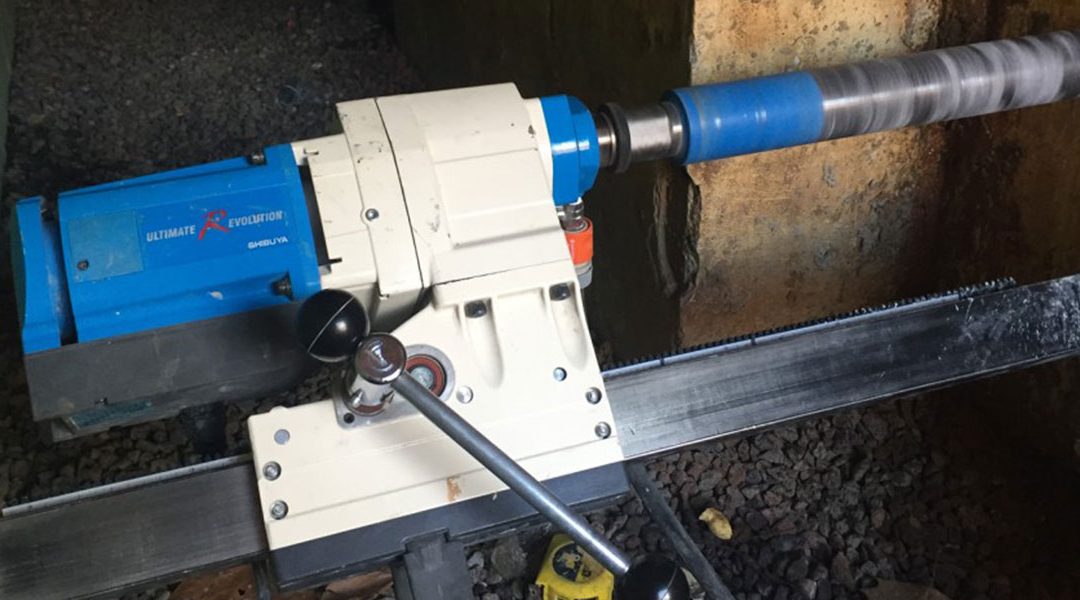
When people picture a construction project, they often imagine towering cranes, busy tradies and plenty of concrete. What they rarely think about is the planning that happens long before the first drill starts spinning. Service Riser Core Drilling is one of those essential early-stage processes that depends on careful planning to ensure accuracy, safety and efficiency.
Every accurate core hole, every smooth installation and every completed building service relies on careful preparation behind the scenes.
If you’re working on a commercial development, apartment complex, healthcare facility or office fit-out in Melbourne, you already know that even a tiny mistake can create expensive delays.
That’s exactly why Service Riser Core Drilling deserves far more attention during the planning stage than many projects give it. A well-planned drilling strategy saves time, protects the structure and keeps every trade moving efficiently.
When you’re organising Service Riser Core Drilling in Melbourne, planning isn’t simply another box to tick. It becomes the roadmap for the entire project. From locating structural reinforcement to coordinating with plumbers, electricians and HVAC installers, every decision made before drilling directly influences the quality of the final result.
Why Planning Matters Before Any Service Riser Core Drilling Begins
Core drilling might look straightforward from the outside. After all, you’re simply creating precise openings through concrete, right?
Not quite.
Every concrete slab contains its own story. Reinforcement bars, post-tension cables, embedded conduits, electrical services and plumbing lines often sit beneath the surface. Without understanding what’s hidden inside, drilling becomes a risky guessing game.
That’s why experienced contractors spend considerable time assessing the site before bringing equipment onto the project.
Proper planning helps you:
- Avoid damaging structural elements
- Reduce costly project delays
- Improve drilling accuracy
- Keep workers safe
- Protect existing building services
- Minimise unnecessary repairs
- Improve coordination between trades
In large Melbourne construction projects, these benefits quickly translate into substantial cost savings.
What Is Service Riser Core Drilling?
Before diving deeper, it’s worth understanding exactly what this process involves.
Service Riser Core Drilling creates circular openings through reinforced concrete floors, walls or slabs so multiple building services can pass safely between different levels.
These services commonly include:
- Electrical cabling
- Plumbing systems
- Fire protection pipes
- Mechanical ductwork
- Data communication cables
- Ventilation systems
- Hydraulic services
Instead of creating irregular openings, diamond core drilling produces clean, accurate holes with minimal vibration and reduced structural stress.
That precision becomes incredibly valuable when multiple services need to fit inside a confined riser shaft.
Every Successful Project Starts with Accurate Site Investigation
I’ve seen projects where teams wanted to start drilling immediately because deadlines felt tight.
Ironically, rushing nearly always creates bigger delays.
A thorough site investigation identifies potential challenges before equipment even arrives. Engineers, builders and drilling specialists review structural drawings while verifying existing site conditions.
This planning stage often includes:
- Reviewing engineering documentation
- Studying architectural layouts
- Confirming service locations
- Checking reinforcement layouts
- Measuring slab thickness
- Identifying restricted access areas
- Assessing lifting requirements
By collecting accurate information early, everyone works with confidence rather than assumptions.
Understanding Existing Building Services Prevents Expensive Mistakes
One accidentally damaged electrical conduit can stop work for hours.
A punctured water pipe may halt construction for days.
A severed communications cable could disrupt an entire commercial building.
That’s why locating existing services sits near the top of every planning checklist.
Modern detection equipment allows drilling specialists to identify hidden services before drilling begins.
Some commonly used technologies include:
| Planning Activity | Why It Matters | Project Benefit |
| Concrete scanning | Detects hidden reinforcement | Prevents structural damage |
| Service locating | Finds electrical and plumbing services | Reduces repair costs |
| Structural review | Confirms drilling locations | Protects slab integrity |
| Site measurement | Improves drilling accuracy | Faster installation |
| Risk assessment | Identifies hazards | Better worker safety |
Skipping any of these checks increases uncertainty.
Construction simply works better when every trade understands what’s already inside the structure.
Coordination Between Trades Keeps the Entire Project Moving
Construction projects rarely operate in isolation.
Before one trade finishes, another usually prepares to begin.
That’s especially true with service risers.
Electricians, hydraulic contractors, plumbers, fire protection specialists and mechanical installers all rely on the same access points.
Without careful coordination, conflicts quickly appear.
Imagine drilling a perfectly positioned hole, only to discover it clashes with ductwork planned by another contractor.
Now everyone needs revised drawings, additional drilling and costly modifications.
Instead, successful planning meetings allow every stakeholder to review layouts together.
Questions like these often shape better outcomes:
- Will future services require larger openings?
- Are multiple penetrations better than one oversized core hole?
- Can installations occur safely without disrupting neighbouring trades?
- Does everyone agree on final locations?
Answering these questions before drilling saves significant time later.
Structural Assessments Protect Building Integrity
Concrete may appear incredibly strong, but every slab has structural limitations.
Removing too much material in the wrong location can weaken important load-bearing elements.
That’s why structural engineers often review proposed drilling locations before work begins.
Their assessment considers several important factors, including:
- Load paths
- Beam locations
- Slab design
- Reinforcement density
- Existing penetrations
- Edge distances
- Future structural requirements
This collaboration ensures every drilled opening supports the building’s long-term performance rather than compromising it.
A well-planned drilling schedule respects both construction efficiency and structural safety, creating better outcomes for everyone involved.
Planning for Safe Access Improves Productivity
Even the most experienced drilling crew cannot perform efficiently without safe access to the work area. Before I begin any Service Riser Core Drilling project, I always consider how equipment, operators and supporting trades will move around the site.
Planning for access means checking:
- Working at heights requirements
- Scaffold or elevated work platform access
- Material handling routes
- Power and water supply
- Waste slurry management
- Emergency access points
Good planning also supports compliance with Australian workplace safety requirements. Before organising drilling activities on commercial construction sites, it’s worth reviewing the guidance provided by Safe Work Australia.
When every access requirement is organised early, the drilling team spends more time completing quality work and less time waiting for site changes.
Choosing the Right Equipment Makes a Big Difference
Not every project requires the same drilling equipment.
A high-rise apartment building presents different challenges compared with a hospital renovation or an underground basement extension.
Proper planning helps determine the most suitable equipment based on:
| Project Requirement | Recommended Planning Consideration |
| Hole diameter | Match drill bit size to service requirements |
| Concrete thickness | Select equipment with suitable drilling capacity |
| Reinforced concrete | Use high-quality diamond core bits |
| Limited access | Choose compact drilling rigs |
| Noise-sensitive sites | Plan low-vibration drilling methods |
| Multiple penetrations | Schedule equipment for maximum efficiency |
Selecting the correct equipment before arriving on site reduces downtime and improves overall productivity.
Why Early Planning Saves Money
Many people assume planning adds extra costs.
I see the opposite happen on almost every project.
Good planning reduces expensive surprises.
Instead of reacting to unexpected issues, your team works through a clear process with fewer interruptions.
Some of the biggest financial benefits include:
- Fewer repair costs
- Reduced labour downtime
- Lower equipment hire costs
- Faster project completion
- Less material waste
- Better trade coordination
- Improved client satisfaction
In Melbourne’s competitive construction industry, those savings often become a significant advantage.
Common Planning Mistakes to Avoid
Even experienced project teams sometimes overlook small details that create major delays.
I recommend avoiding these common mistakes:
- Starting work without updated drawings.
- Skipping concrete scanning.
- Ignoring reinforcement layouts.
- Poor communication between trades.
- Underestimating access requirements.
- Choosing equipment that’s unsuitable for the job.
- Leaving drilling until other services are already installed.
Every one of these mistakes can increase costs, extend project timelines and create unnecessary frustration.
Why Experienced Specialists Deliver Better Results
Planning only succeeds when the people carrying it out understand concrete structures and drilling techniques.
Experienced drilling specialists don’t simply operate equipment.
They:
- Review engineering documentation.
- Identify potential risks early.
- Recommend better drilling locations.
- Coordinate with builders and consultants.
- Maintain accurate drilling tolerances.
- Complete clean, professional penetrations.
That level of expertise helps projects stay on schedule while protecting the building’s structural performance.
Final Thoughts
Proper planning isn’t an optional extra—it forms the foundation of every successful Service Riser Core Drilling project.
From reviewing drawings and locating hidden services to coordinating multiple trades and selecting the right equipment, every planning decision contributes to safer worksites, greater accuracy and fewer costly delays.
If you’re preparing for a commercial, industrial or residential construction project in Melbourne, investing time in planning before drilling begins will save you time, money and unnecessary stress throughout the build.
Ready to discuss your next project? Get in touch with our team to organise professional advice and reliable service before work begins.
Frequently Asked Questions
1. What is Service Riser Core Drilling?
Service Riser Core Drilling is the process of drilling precise circular openings through concrete floors and walls to allow plumbing, electrical, fire protection, mechanical and communication services to pass safely between building levels.
2. Why is planning important before core drilling?
Planning helps identify hidden services, reinforcement bars and structural elements before drilling begins. This reduces safety risks, prevents costly damage and improves project efficiency.
3. How do contractors locate hidden services before drilling?
Professional contractors typically use concrete scanning equipment, service locating technology, engineering drawings and site inspections to identify reinforcement, conduits, pipes and post-tension cables before drilling.
4. Can poor planning delay construction projects?
Yes. Poor planning often leads to damaged services, incorrect drilling locations, redesign work and project delays. Careful preparation helps keep construction programs on schedule.
5. Is Service Riser Core Drilling suitable for existing buildings?
Yes. Professional diamond core drilling is commonly used in both new construction and existing buildings because it creates clean, accurate openings with minimal vibration and reduced structural impact.
6. What industries commonly require Service Riser Core Drilling?
This service is widely used across commercial buildings, apartment developments, hospitals, schools, warehouses, shopping centres, industrial facilities and office fit-outs.
7. How does concrete scanning improve drilling accuracy?
Concrete scanning identifies hidden reinforcement, electrical conduits, pipes and structural components before drilling begins. This allows drilling locations to be adjusted, reducing the risk of accidental damage and improving overall precision.
8. Why should I hire experienced core drilling specialists?
Experienced specialists understand structural requirements, use advanced equipment, follow Australian safety standards and coordinate effectively with other trades, helping your project run safely, efficiently and with fewer unexpected costs.