Drilling into concrete looks straightforward until you remember that concrete can hide a whole world of pipes, cables, steel and other surprises. One wrong hole can turn a routine job into an expensive repair.
That’s why I always see pre-drilling scanning as a smart first step. Concrete Xray Services can help you understand what sits beneath the surface before you bring out the core drill, giving your Melbourne project a much clearer starting point.
If you’re planning a new penetration through a slab, wall or other concrete structure, Concrete Xray Services can help identify potential obstacles before drilling begins. Think of it as checking the road before you put the foot down.
What Are Concrete Xray Services?
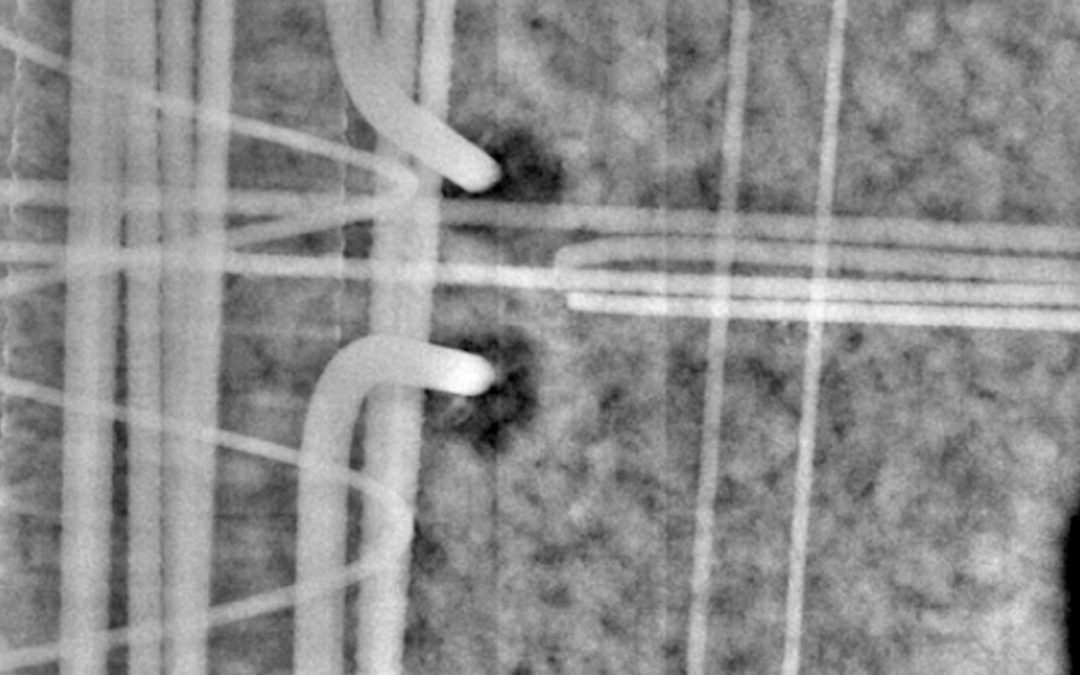
Concrete Xray Services use specialised scanning technology to investigate what sits inside concrete without immediately cutting into it.
Depending on the scanning method, technicians can locate items such as reinforcing steel, electrical conduits, pipes, post-tensioning elements and other embedded features.
The big advantage is simple: you get information before you make a permanent hole.
That matters on everything from residential renovations to Melbourne commercial fit-outs, industrial upgrades and major construction projects.
A concrete slab might look completely ordinary from the outside. Inside, however, it could contain several layers of infrastructure installed at different stages of a building’s life.
What Can Concrete Xray Services Detect?
So, what exactly can you find before drilling?
The answer depends on the equipment, concrete thickness, site conditions and the type of object hidden inside. However, professional concrete scanning can help identify several important features.
| Hidden element | Why it matters before drilling |
| Reinforcing steel | Drilling through reinforcement can affect the proposed penetration and may require the location to change |
| Electrical conduits | Hitting an electrical service can create serious safety and repair issues |
| Metal pipes | Damaging plumbing can cause leaks, flooding and costly repairs |
| Post-tensioning elements | These can require particularly careful planning before drilling or cutting |
| Voids or anomalies | Unexpected spaces can affect how contractors approach the work |
| Other embedded objects | Additional hidden materials may influence the safest drilling position |
The purpose isn’t to make your project sound more complicated than it is. Quite the opposite.
I want the drilling team to know as much as possible before the drill starts spinning.
1. Reinforcing Steel and Rebar
Reinforcing steel, commonly called rebar, plays an important role in many concrete structures.
You’ll find it inside slabs, walls, beams and other reinforced concrete elements. It helps concrete handle structural loads and provides strength where the structure needs it.
The problem starts when someone chooses a drilling location without understanding where that steel sits.
A drill meeting unexpected reinforcement can affect the proposed hole, slow the job down and potentially create unnecessary damage.
With concrete scanning before drilling, I can help identify reinforcement around the proposed penetration so the project team has better information when deciding where to drill.
It’s a little like checking behind a wall before hanging a very expensive television. You could guess, but why would you?
2. Electrical Conduits and Cables
Electrical services can run through walls, floors and slabs, particularly in busy commercial buildings.
Older Melbourne properties can make this even more interesting. Buildings often undergo renovations, office refits and service upgrades over the years. As a result, the current layout may not perfectly match the original plans.
If an electrical conduit sits directly where you plan to drill, discovering it with a core bit isn’t exactly the sort of surprise anyone wants.
A professional scan can help identify metallic or detectable services around the proposed drilling location.
That information lets the project team review the location before committing to the penetration.
For commercial sites, that extra step can also help reduce disruption. Nobody wants a five-minute drilling job to become an afternoon of emergency troubleshooting.
3. Plumbing Pipes
Water and plumbing services can also hide inside concrete structures.
A concealed pipe might supply bathrooms, kitchens, mechanical systems or other parts of a building. If drilling damages one, the consequences can go well beyond the hole itself.
You could end up dealing with:
- Water leaks
- Damaged fittings
- Property damage
- Unplanned repairs
- Project delays
- Disruption to occupants
Concrete Xray Services can help your team investigate the proposed drilling area and look for detectable pipes and other embedded services before work begins.
That doesn’t mean scanning should replace engineering drawings or professional judgement. Instead, I see it as another valuable layer of information.
The more you know before drilling, the fewer surprises you leave for the drill bit.
4. Post-Tensioning Elements
Post-tensioned concrete deserves particular attention.
Some concrete slabs contain post-tensioning tendons that help the structure perform as designed. Drilling or cutting in the wrong location can therefore create a much more serious problem than simply hitting a bit of steel.
That’s why you should never treat a post-tensioned slab like an ordinary piece of concrete.
Before drilling, your contractor should understand the structure, review available documentation and use suitable detection methods where required.
Scanning can help identify potential post-tensioning elements and support better planning.
However, scanning alone doesn’t give anyone permission to drill wherever they like. Structural requirements and engineering advice still matter.
5. Voids and Other Unexpected Features
Concrete doesn’t always contain only the things you expect.
Depending on the structure and scanning technology, technicians may identify voids or other anomalies within the scanned area.
These findings can give the project team another reason to stop, assess and adjust the drilling plan before creating an opening.
This becomes particularly useful when you’re working with older buildings, altered structures or areas where drawings don’t provide a complete picture.
Sometimes the most useful thing a scan tells you is simply: “Don’t drill there.”
That can be a very good result.
Why Scanning Matters Before Concrete Drilling in Melbourne
Melbourne has a huge mix of construction styles and building ages.
You might work on a modern apartment development one day and an older commercial property the next. You could also be dealing with renovations where several generations of electrical, plumbing and mechanical services sit inside the same structure.
That makes pre-drilling investigation particularly useful.
WorkSafe Victoria also highlights the hazards associated with concrete cutting and drilling, including dust, vibration, electricity and damage to structures and services. You can review its safe concrete cutting and drilling industry guidance for further information.
Concrete Xray Services vs Guesswork
Let’s be honest: guessing is rarely a great construction strategy.
You could look at an old plan, estimate where the services run and hope the proposed drilling point remains clear.
Or you can investigate the area first.
| Approach | Level of information | Potential issue |
| Drill without scanning | Low | Hidden services or reinforcement may be missed |
| Rely only on old plans | Moderate | Previous renovations may have changed the layout |
| Scan before drilling | Higher | Gives additional information about concealed elements |
| Scan + plans + professional assessment | Stronger planning approach | Combines multiple sources of information |
I prefer the final approach because construction rarely rewards assumptions.
Scanning doesn’t eliminate every possible risk. It gives your team better information so they can make better decisions.
And in construction, better information usually beats crossed fingers.
When Should You Arrange Concrete Xray Services?
You should consider scanning whenever your proposed drilling or cutting could interact with concealed elements.
It can be particularly useful before:
- Core drilling through reinforced concrete slabs
- Creating new floor penetrations
- Drilling through concrete walls
- Installing plumbing services
- Installing electrical conduits
- Installing HVAC or mechanical services
- Working on older commercial buildings
- Modifying existing concrete structures
- Drilling near suspected post-tensioning
- Carrying out renovation or fit-out work
If you’re unsure whether scanning makes sense for your project, discuss the proposed work with a qualified scanning or drilling professional before you start.
A few minutes of planning can save a surprisingly large headache later.
How Does Concrete Xray Scanning Work?
The exact process depends on the project, but the basic workflow is fairly straightforward.
Step 1: Review the Proposed Drilling Location
The technician looks at the area where you plan to drill and considers the size, depth and purpose of the proposed penetration.
Step 2: Prepare the Surface
The team prepares the scanning area and checks that the surface allows suitable scanning.
Step 3: Scan the Concrete
Specialised equipment passes across the concrete surface and collects information about objects beneath it.
Step 4: Interpret the Results
The technician reviews the scan to identify relevant features such as reinforcement and detectable services.
Step 5: Mark the Area
Important findings can then help the drilling team understand where potential obstacles sit.
Step 6: Review the Drilling Plan
If the original location presents a problem, the project team can consider another position or seek further technical advice.
That workflow turns “We think it’s clear” into “We’ve investigated the area.”
And I know which one I’d rather hear on a busy Melbourne job site.
Does Concrete Scanning Replace Engineering Advice?
No — and this distinction matters.
Concrete scanning provides valuable information about what may be inside the scanned area, but it doesn’t replace structural engineering, construction documentation or professional judgement.
For example, if you need a large penetration through a structural slab, you may need an engineer to determine whether the proposed opening is suitable.
Likewise, if scanning identifies reinforcement or post-tensioning, your project team should assess what that finding means before proceeding.
Think of scanning as another set of eyes, not a magic approval stamp.
Is Concrete Xray Scanning Worth It?
For many drilling and renovation projects, the answer can be yes.
The cost of scanning varies depending on the size of the area, number of proposed penetrations, access, concrete thickness, site conditions and project requirements.
Rather than looking only at the price of scanning, I’d compare it with the potential cost of getting something wrong.
Damaging a concealed pipe could mean repairs and water damage.
Hitting an electrical service could create a serious safety issue.
Interfering with important reinforcement or post-tensioning could create a far more significant structural concern.
A relatively small investigation before drilling can therefore make good practical and financial sense.
What Should You Ask Before Booking a Scanning Service?
Before arranging a scan, have a few basic details ready.
Tell the scanning professional:
- Where you want to drill
- How many holes you need
- The approximate hole diameter
- The expected drilling depth
- Whether the concrete is a slab, wall, beam or another structure
- What drawings or service plans you have available
- Whether you suspect post-tensioning or other embedded services
The more information you provide, the easier it becomes to understand what the job requires.
If you already have marked-up plans, photographs or proposed penetration locations, keep them handy.
Why Professional Scanning Makes Sense
I think the biggest advantage of professional scanning comes down to one simple idea: visibility.
Concrete hides things extremely well. Once you understand that, drilling without investigating starts to feel less like confidence and more like gambling.
Professional scanning can help identify potential obstacles, improve drilling plans and reduce the chance of unexpected damage.
It also fits neatly into the wider workflow of professional concrete core drilling, where precision matters just as much as speed.
For Melbourne builders, contractors, facility managers, renovators and property owners, that information can make a real difference.
Conclusion: Look Before You Drill
Concrete might look solid, simple and predictable from the outside. Inside, it can tell a very different story.
Reinforcement, electrical conduits, plumbing, post-tensioning elements and other hidden features can all affect where and how you drill. That’s why Concrete Xray Services can play such an important role before concrete cutting or core drilling.
I’d always rather spend a little time investigating the drilling location than discover a hidden pipe, cable or structural element the expensive way.
If you’re planning concrete drilling, scanning or new service penetrations anywhere across Melbourne, Get in touch with our team to discuss your project and work out the right approach before drilling begins.
FAQs About Concrete Xray Services
What can Concrete Xray Services detect before drilling?
Concrete Xray Services can help detect features such as reinforcing steel, electrical conduits, detectable pipes, post-tensioning elements, voids and other embedded objects, depending on the scanning equipment and site conditions.
Can concrete scanning detect every pipe and cable?
No. Detection depends on the material, depth, orientation, concrete conditions, equipment and scanning method. A professional technician should explain the limitations of the scan for your particular site.
Do I need scanning before every core hole?
Not necessarily. The need depends on the structure, location, available documentation and project requirements. However, scanning can be particularly valuable when you don’t have reliable information about what sits inside the concrete.
Can Concrete Xray Services find rebar?
Yes, suitable concrete scanning equipment can help identify reinforcing steel and its position within the scanned area.
Can scanning detect post-tensioning?
Some scanning methods can help locate post-tensioning tendons. Because post-tensioned structures require careful handling, you should also follow relevant engineering and project requirements before drilling.
Is concrete scanning suitable for commercial buildings?
Yes. It can be particularly useful for commercial fit-outs, renovations, service upgrades and other projects where multiple utilities may run through existing concrete structures.
How much do Concrete Xray Services cost in Melbourne?
The price varies depending on the scanning area, number of locations, access, concrete thickness, project complexity and other site requirements. The best way to establish the cost is to provide the scanning contractor with your project details.