
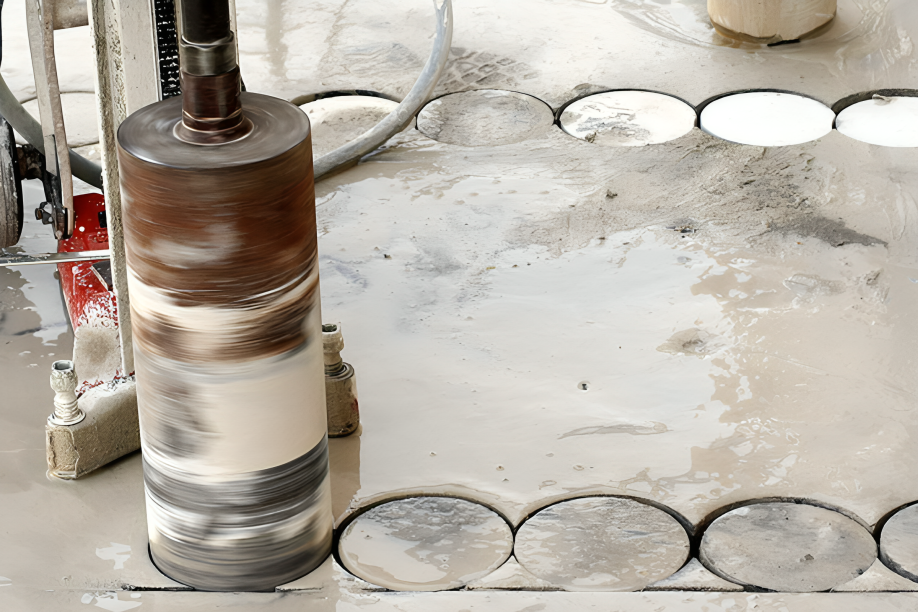
When a commercial building needs power and data in just the right spot, there is no room for guesswork. You want clean access, neat finishes, and zero drama. That is exactly where floor box core drilling steps in and saves the day.
In busy Melbourne buildings, I see this job show up everywhere: offices, retail fit-outs, education spaces, hospitals, and multi-level commercial floors. The goal stays simple, but the work behind it needs skill. You are drilling into a slab, making room for services, and protecting the structure at the same time. It is a bit like giving the building a tailored suit instead of a one-size-fits-all mess.
If you are planning a fit-out or upgrading services, floor box core drilling in Melbourne usually starts with proper planning, scanning, and precise drilling. That is the secret sauce. Get that right, and everything else feels smoother, cleaner, and far less stressful.
What floor box core drilling actually does
At its core, floor box core drilling creates a neat circular opening in concrete or another hard surface so a floor box can sit flush with the finished floor. That opening lets electricians, data installers, and builders place access points where people actually need them, not three metres away and awkwardly hidden behind a desk.
In a commercial building, this matters more than most people think. A badly placed floor box can ruin a layout, interrupt furniture placement, and turn a polished fit-out into a daily annoyance. Good floor box core drilling keeps the space practical and sharp-looking.
Where you usually need floor boxes in commercial buildings
You will often see floor boxes in places where teams need flexible access to power, data, or both. Think open-plan offices, boardrooms, coworking spaces, retail counters, hospitality venues, and tech-heavy work zones.
Common uses include:
- power for desks and meeting tables
- data points for internet and communications
- AV and screen connections in conference rooms
- floor access in reception areas and collaboration spaces
- services for reconfigured tenancies during a fit-out
When I look at a job like this, I always ask one question: where will people actually work, meet, and move around? That answer guides the drilling plan.
Why planning comes before drilling
A good result starts long before the drill arrives. I always treat planning like the main event, because once the hole goes in, you do not get a graceful do-over.
Before any floor box core drilling work begins, I want these boxes ticked:
- Confirm the exact box size and model.
- Check the floor finish height.
- Mark the final location on site.
- Identify hidden services below the slab.
- Confirm access, noise limits, and working hours.
That last one sounds small, but in a live commercial building, timing can make or break the job. Nobody wants a drill roaring through a quiet office at the wrong moment. Awkward. Very awkward.
The step-by-step process I follow
Once the layout gets approved, the actual drilling usually follows a clear path. I like this kind of work because precision matters more than brute force. Concrete does not care about enthusiasm; it cares about the right method.
Here is the usual process:
- Site check and marking
I confirm the position of the floor box and check the surrounding slab. - Slab scanning
I scan for reinforcement, conduit, pipes, and other hidden surprises. - Hole sizing
I match the core diameter to the floor box and the installation method. - Drilling
I use the right rig and bit to create a clean, accurate opening. - Clean-up and handover
I remove debris, check the hole edge, and leave the site ready for installation.
What makes floor box core drilling different from regular coring
Not all coring jobs play by the same rules. Floor box work needs tighter accuracy because the opening must suit the box, the cover, and the final floor finish. If the hole runs too wide, you invite patching problems. If it runs too tight, the box will fight you every step of the way.
Here is a quick comparison:
| Job type | Main goal | Tolerance level | Typical risk |
| General core drilling | Create service penetrations | Moderate | Lower visual impact |
| Floor box core drilling | Fit a flush floor box cleanly | Very tight | Finish issues if misaligned |
| Larger service penetrations | Run pipes, conduits, or risers | Moderate to high | Structural and coordination risks |
That table says it all. Floor box core drilling lives in the precision lane.
Safety matters more than speed
This is where the shiny finish meets the real world. Concrete drilling can kick up dust, create noise, and expose hidden services if nobody checks properly. I never treat safety as a checkbox job. I treat it like part of the craft.
That is why I follow a proper risk process and use controls that suit the site. WorkSafe Victoria’s safe concrete drilling industry standard gives practical guidance for drilling work in Victoria, and it lines up with the kind of careful planning commercial sites need.
In plain English, that means I look after dust control, scanning, hole stability, edge safety, and site coordination before I fire up the drill. Because a clean hole is great, but a clean hole with a safe job behind it is much better.
The biggest mistakes I see on commercial sites
I have seen enough coring work to know where people usually trip up. The mistakes are rarely glamorous. They are usually simple, preventable, and annoying.
The biggest ones are:
- drilling before scanning
- guessing the box size
- ignoring slab thickness
- skipping layout checks with the electrician or builder
- leaving the final finish too late in the schedule
The fifth one causes more headaches than people admit. If the flooring team and the drilling team do not speak early, the site turns into a mess of rework, extra rework, and unhappy faces.
How to choose the right contractor
Choosing the right team matters just as much as choosing the right box. You want someone who understands commercial fit-outs, not just someone with a drill and confidence. Confidence is nice. Experience is nicer.
I would look for a contractor who can show you:
- commercial building experience
- slab scanning before drilling
- clean, accurate holes
- knowledge of Melbourne site conditions
- clear communication with builders, electricians, and project managers
- a tidy finish around the penetration
Good floor box core drilling work should look almost invisible when it is done well. That is the point. The building should feel smarter, not more cluttered.
How floor box core drilling supports better design
A lot of people think drilling is just a trade job. I think it is part of the design language of a commercial space. When a floor box lands in the right spot, the whole room feels calmer. Cables stay hidden. Desks stay flexible. The layout keeps breathing.
That matters in modern Melbourne workplaces, where people want adaptable spaces, clean lines, and fewer visual distractions. A neat floor box lets the room do its job without shouting for attention. It is the quiet achiever of the fit-out world.
Conclusion
Floor box core drilling looks simple from the outside, but the best results come from careful planning, accurate scanning, and a clean finish. When you handle it properly, you protect the slab, support the services layout, and keep the whole commercial space looking sharp.
If you are planning a fit-out, refurbishment, or services upgrade in Melbourne, I recommend treating the drilling stage as a key part of the project, not an afterthought. Get the layout right, choose the right crew, and keep the finish in mind from day one. That is how you avoid ugly surprises and end up with a space that works as well as it looks.
If your commercial project needs precise, tidy, and well-planned floor box core drilling, get the layout sorted early and book a specialist who understands the slab, the services, and the finish.
Frequently Asked Questions
What is floor box core drilling?
It is the process of drilling a precise hole in a slab so a floor box can sit flush with the finished floor and provide power or data access.
Why does floor box core drilling matter in commercial buildings?
It keeps the layout clean, supports flexible workspaces, and helps electricians and builders place services exactly where people need them.
Do you need slab scanning before floor box core drilling?
Yes. Slab scanning helps locate reinforcement, pipes, conduits, and other hidden services before drilling starts.
Can floor box core drilling happen in an occupied building?
Yes, in many cases it can, but the job needs careful timing, dust control, noise planning, and site coordination.
What should I check before booking floor box core drilling?
Check the box size, floor finish height, drilling location, slab conditions, and whether the contractor scans the slab first.
How do I know the floor box will sit flush?
You need accurate hole sizing, correct depth planning, and a contractor who understands the final floor finish and box model.
Is floor box core drilling the same as general concrete coring?
Not exactly. General coring covers many openings, while floor box core drilling needs tighter accuracy because the finish has to look neat and sit flush.