When people picture a construction project, they often imagine towering cranes, busy tradies and plenty of concrete. What they rarely think about is the planning that happens long before the first drill starts spinning. Service Riser Core Drilling is one of those essential early-stage processes that depends on careful planning to ensure accuracy, safety and efficiency.
Every accurate core hole, every smooth installation and every completed building service relies on careful preparation behind the scenes.
If you’re working on a commercial development, apartment complex, healthcare facility or office fit-out in Melbourne, you already know that even a tiny mistake can create expensive delays.
That’s exactly why Service Riser Core Drilling deserves far more attention during the planning stage than many projects give it. A well-planned drilling strategy saves time, protects the structure and keeps every trade moving efficiently.
When you’re organising Service Riser Core Drilling in Melbourne, planning isn’t simply another box to tick. It becomes the roadmap for the entire project. From locating structural reinforcement to coordinating with plumbers, electricians and HVAC installers, every decision made before drilling directly influences the quality of the final result.
Why Planning Matters Before Any Service Riser Core Drilling Begins
Core drilling might look straightforward from the outside. After all, you’re simply creating precise openings through concrete, right?
Not quite.
Every concrete slab contains its own story. Reinforcement bars, post-tension cables, embedded conduits, electrical services and plumbing lines often sit beneath the surface. Without understanding what’s hidden inside, drilling becomes a risky guessing game.
That’s why experienced contractors spend considerable time assessing the site before bringing equipment onto the project.
Proper planning helps you:
Avoid damaging structural elements
Reduce costly project delays
Improve drilling accuracy
Keep workers safe
Protect existing building services
Minimise unnecessary repairs
Improve coordination between trades
In large Melbourne construction projects, these benefits quickly translate into substantial cost savings.
What Is Service Riser Core Drilling?
Before diving deeper, it’s worth understanding exactly what this process involves.
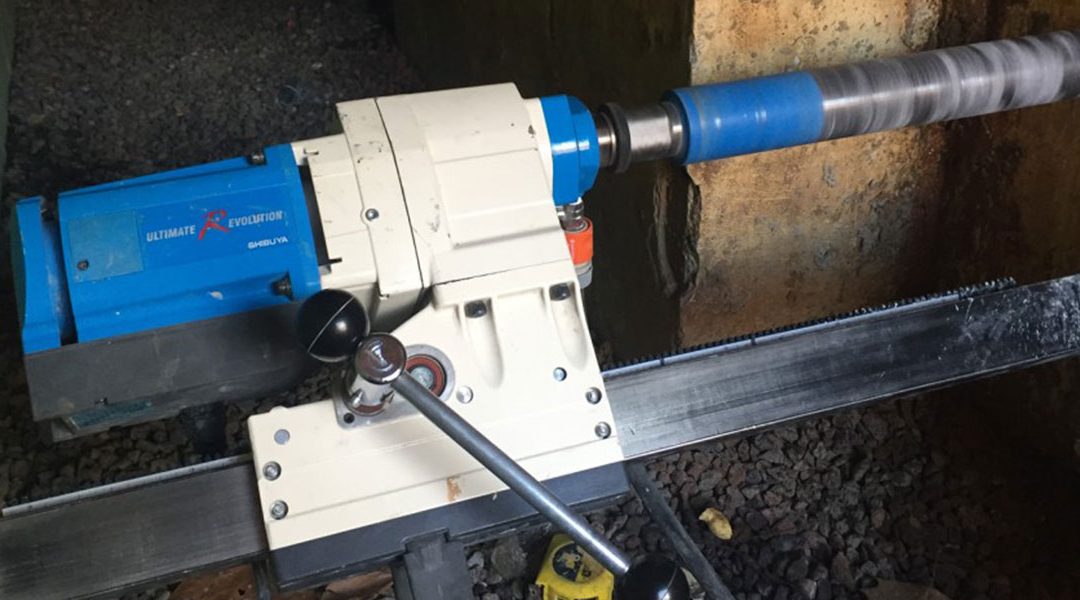
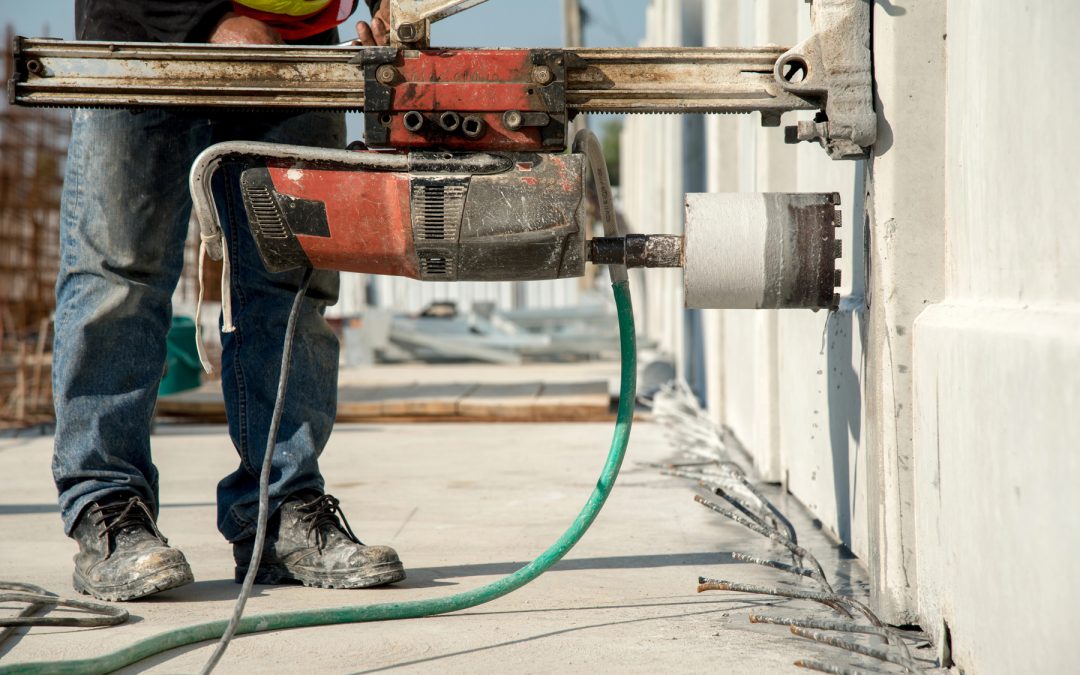
Service Riser Core Drilling creates circular openings through reinforced concrete floors, walls or slabs so multiple building services can pass safely between different levels.
These services commonly include:
Electrical cabling
Plumbing systems
Fire protection pipes
Mechanical ductwork
Data communication cables
Ventilation systems
Hydraulic services
Instead of creating irregular openings, diamond core drilling produces clean, accurate holes with minimal vibration and reduced structural stress.
That precision becomes incredibly valuable when multiple services need to fit inside a confined riser shaft.
Every Successful Project Starts with Accurate Site Investigation
I’ve seen projects where teams wanted to start drilling immediately because deadlines felt tight.
A thorough site investigation identifies potential challenges before equipment even arrives. Engineers, builders and drilling specialists review structural drawings while verifying existing site conditions.
This planning stage often includes:
Reviewing engineering documentation
Studying architectural layouts
Confirming service locations
Checking reinforcement layouts
Measuring slab thickness
Identifying restricted access areas
Assessing lifting requirements
By collecting accurate information early, everyone works with confidence rather than assumptions.
Understanding Existing Building Services Prevents Expensive Mistakes
One accidentally damaged electrical conduit can stop work for hours.
A punctured water pipe may halt construction for days.
A severed communications cable could disrupt an entire commercial building.
That’s why locating existing services sits near the top of every planning checklist.
Modern detection equipment allows drilling specialists to identify hidden services before drilling begins.
Some commonly used technologies include:
Planning Activity
Why It Matters
Project Benefit
Concrete scanning
Detects hidden reinforcement
Prevents structural damage
Service locating
Finds electrical and plumbing services
Reduces repair costs
Structural review
Confirms drilling locations
Protects slab integrity
Site measurement
Improves drilling accuracy
Faster installation
Risk assessment
Identifies hazards
Better worker safety
Skipping any of these checks increases uncertainty.
Construction simply works better when every trade understands what’s already inside the structure.
Coordination Between Trades Keeps the Entire Project Moving
Construction projects rarely operate in isolation.
Before one trade finishes, another usually prepares to begin.
That’s especially true with service risers.
Electricians, hydraulic contractors, plumbers, fire protection specialists and mechanical installers all rely on the same access points.
Without careful coordination, conflicts quickly appear.
Imagine drilling a perfectly positioned hole, only to discover it clashes with ductwork planned by another contractor.
Now everyone needs revised drawings, additional drilling and costly modifications.
Instead, successful planning meetings allow every stakeholder to review layouts together.
Questions like these often shape better outcomes:
Will future services require larger openings?
Are multiple penetrations better than one oversized core hole?
Can installations occur safely without disrupting neighbouring trades?
Does everyone agree on final locations?
Answering these questions before drilling saves significant time later.
Structural Assessments Protect Building Integrity
Concrete may appear incredibly strong, but every slab has structural limitations.
Removing too much material in the wrong location can weaken important load-bearing elements.
That’s why structural engineers often review proposed drilling locations before work begins.
Their assessment considers several important factors, including:
Load paths
Beam locations
Slab design
Reinforcement density
Existing penetrations
Edge distances
Future structural requirements
This collaboration ensures every drilled opening supports the building’s long-term performance rather than compromising it.
A well-planned drilling schedule respects both construction efficiency and structural safety, creating better outcomes for everyone involved.
Planning for Safe Access Improves Productivity
Even the most experienced drilling crew cannot perform efficiently without safe access to the work area. Before I begin any Service Riser Core Drilling project, I always consider how equipment, operators and supporting trades will move around the site.
Planning for access means checking:
Working at heights requirements
Scaffold or elevated work platform access
Material handling routes
Power and water supply
Waste slurry management
Emergency access points
Good planning also supports compliance with Australian workplace safety requirements. Before organising drilling activities on commercial construction sites, it’s worth reviewing the guidance provided by Safe Work Australia.
When every access requirement is organised early, the drilling team spends more time completing quality work and less time waiting for site changes.
Choosing the Right Equipment Makes a Big Difference
Not every project requires the same drilling equipment.
A high-rise apartment building presents different challenges compared with a hospital renovation or an underground basement extension.
Proper planning helps determine the most suitable equipment based on:
Project Requirement
Recommended Planning Consideration
Hole diameter
Match drill bit size to service requirements
Concrete thickness
Select equipment with suitable drilling capacity
Reinforced concrete
Use high-quality diamond core bits
Limited access
Choose compact drilling rigs
Noise-sensitive sites
Plan low-vibration drilling methods
Multiple penetrations
Schedule equipment for maximum efficiency
Selecting the correct equipment before arriving on site reduces downtime and improves overall productivity.
Why Early Planning Saves Money
Many people assume planning adds extra costs.
I see the opposite happen on almost every project.
Good planning reduces expensive surprises.
Instead of reacting to unexpected issues, your team works through a clear process with fewer interruptions.
Some of the biggest financial benefits include:
Fewer repair costs
Reduced labour downtime
Lower equipment hire costs
Faster project completion
Less material waste
Better trade coordination
Improved client satisfaction
In Melbourne’s competitive construction industry, those savings often become a significant advantage.
Common Planning Mistakes to Avoid
Even experienced project teams sometimes overlook small details that create major delays.
I recommend avoiding these common mistakes:
Starting work without updated drawings.
Skipping concrete scanning.
Ignoring reinforcement layouts.
Poor communication between trades.
Underestimating access requirements.
Choosing equipment that’s unsuitable for the job.
Leaving drilling until other services are already installed.
Every one of these mistakes can increase costs, extend project timelines and create unnecessary frustration.
That level of expertise helps projects stay on schedule while protecting the building’s structural performance.
Final Thoughts
Proper planning isn’t an optional extra—it forms the foundation of every successful Service Riser Core Drilling project.
From reviewing drawings and locating hidden services to coordinating multiple trades and selecting the right equipment, every planning decision contributes to safer worksites, greater accuracy and fewer costly delays.
If you’re preparing for a commercial, industrial or residential construction project in Melbourne, investing time in planning before drilling begins will save you time, money and unnecessary stress throughout the build.
Ready to discuss your next project?Get in touch with our team to organise professional advice and reliable service before work begins.
Frequently Asked Questions
1. What is Service Riser Core Drilling?
Service Riser Core Drilling is the process of drilling precise circular openings through concrete floors and walls to allow plumbing, electrical, fire protection, mechanical and communication services to pass safely between building levels.
2. Why is planning important before core drilling?
Planning helps identify hidden services, reinforcement bars and structural elements before drilling begins. This reduces safety risks, prevents costly damage and improves project efficiency.
3. How do contractors locate hidden services before drilling?
Professional contractors typically use concrete scanning equipment, service locating technology, engineering drawings and site inspections to identify reinforcement, conduits, pipes and post-tension cables before drilling.
4. Can poor planning delay construction projects?
Yes. Poor planning often leads to damaged services, incorrect drilling locations, redesign work and project delays. Careful preparation helps keep construction programs on schedule.
5. Is Service Riser Core Drilling suitable for existing buildings?
Yes. Professional diamond core drilling is commonly used in both new construction and existing buildings because it creates clean, accurate openings with minimal vibration and reduced structural impact.
6. What industries commonly require Service Riser Core Drilling?
This service is widely used across commercial buildings, apartment developments, hospitals, schools, warehouses, shopping centres, industrial facilities and office fit-outs.
7. How does concrete scanning improve drilling accuracy?
Concrete scanning identifies hidden reinforcement, electrical conduits, pipes and structural components before drilling begins. This allows drilling locations to be adjusted, reducing the risk of accidental damage and improving overall precision.
8. Why should I hire experienced core drilling specialists?
Experienced specialists understand structural requirements, use advanced equipment, follow Australian safety standards and coordinate effectively with other trades, helping your project run safely, efficiently and with fewer unexpected costs.
As concrete core drillers know all too well, most people don’t think twice about what happens before a pipe, electrical cable, or ventilation system passes through a concrete wall. They notice the finished result, not the careful planning behind it.
Yet one poorly placed hole can crack reinforced concrete, weaken structural elements, or trigger repairs that cost thousands of dollars.
That’s exactly why concrete core drillers play such an important role in modern construction throughout Melbourne. Every project, whether it’s a new commercial tower, a home renovation, or an industrial facility, depends on accurate drilling that protects the building instead of putting it at risk.
If you’re planning any project involving reinforced concrete, working with experienced concrete core drillersin Melbourne can make the difference between a smooth installation and an expensive structural problem.
I always tell people that precision isn’t something you add later—it starts with the very first hole.
Why Structural Damage Happens During Concrete Drilling
Concrete looks incredibly tough, and in many ways it is. However, reinforced concrete works because concrete and steel reinforcement work together as one structural system. When someone drills without understanding what’s inside the slab or wall, problems appear surprisingly quickly.
I’ve seen projects where contractors rushed the drilling process simply because “it’s only one hole.” Unfortunately, that single hole ended up drilling through reinforcing steel, damaging post-tension cables, or creating cracks that spread far beyond the drilling point.
Some of the most common causes of structural damage include:
Drilling without locating reinforcement bars
Using the wrong drilling equipment
Excessive vibration from impact tools
Poor hole positioning
Incorrect drilling angles
Lack of planning before work begins
Professional concrete core drillers avoid these issues through careful preparation rather than guesswork.
What Makes Professional Concrete Core Drillers Different?
There’s a world of difference between making a hole in concrete and drilling with engineering precision. Professional concrete core drillers don’t simply arrive with equipment and start drilling. Instead, I see every project as a sequence of carefully planned decisions.
Before drilling even begins, experienced operators assess several important factors:
Assessment Area
Why It Matters
Structural drawings
Identifies safe drilling locations
Reinforcement layout
Prevents damage to structural steel
Concrete thickness
Determines drilling method
Hole diameter
Ensures correct equipment selection
Utility detection
Avoids damaging electrical or plumbing services
Site access
Improves safety and efficiency
This planning stage often saves far more money than it costs because preventing damage is always cheaper than repairing it.
Diamond Core Drilling Protects the Structure
One reason professional concrete core drillers achieve such clean results is the equipment they use. Diamond core drilling has transformed the construction industry because it removes concrete with remarkable precision instead of smashing through it.
Unlike jackhammers or percussion drills, diamond core drills create smooth circular openings with minimal vibration. That means surrounding concrete remains stable, nearby finishes stay intact, and structural stress stays incredibly low.
Think of it this way.
Using a jackhammer to create service penetrations is a bit like opening a letter with a chainsaw. Sure, you’ll eventually get inside—but you’ll probably destroy everything around it.
Diamond core drilling, on the other hand, works more like a precision surgical instrument. Every movement stays controlled, every hole stays accurate, and every opening remains clean.
The Hidden Cost of Inaccurate Concrete Drilling
Many builders focus on the cost of hiring concrete core drillers, but I encourage clients to look at the bigger financial picture.
Poor drilling rarely ends with one mistake.
Instead, it creates a chain reaction that can include:
Structural engineering inspections
Concrete crack repairs
Reinforcement replacement
Delayed construction schedules
Additional labour costs
Compliance issues
Insurance claims
Lost productivity for multiple trades
A small drilling error today can delay an entire construction programme tomorrow.
That’s why experienced project managers usually invest in specialist concrete core drillers from the beginning rather than taking unnecessary shortcuts.
Why Reinforcement Detection Is Essential Before Every Hole
One of the smartest habits professional concrete core drillers follow is locating reinforcement before drilling starts. Concrete rarely stands alone. Inside most slabs, walls, columns, and suspended floors sits an intricate network of reinforcing steel designed to carry structural loads safely.
Drilling blindly into reinforced concrete introduces unnecessary risk. Drilling through reinforcement bars may reduce structural capacity, while striking concealed services creates expensive repairs and serious safety hazards.
Modern scanning equipment allows operators to identify hidden reinforcement, embedded conduits, electrical services and plumbing before drilling begins. That information helps determine the safest drilling location without compromising the building’s integrity.
From my experience, spending a few extra minutes scanning concrete often saves days of repair work later. It’s one of the simplest steps that consistently protects both the structure and the project budget.
Concrete Core Drillers Help Every Trade Work Smarter
Construction projects involve electricians, plumbers, HVAC installers, fire protection specialists, data contractors and builders working together. Every one of these trades eventually needs precise openings through concrete.
Professional concrete core drillers become the link that keeps each stage moving efficiently. Instead of forcing other contractors to modify installations around poorly placed holes, accurate drilling allows every trade to complete its work exactly as designed.
When the openings line up correctly the first time, projects experience:
Faster installations
Fewer site delays
Better workmanship
Reduced material waste
Improved safety
Lower overall project costs
The result isn’t simply cleaner holes. It’s a smoother construction process from start to finish.
Concrete Core Drillers Protect Heritage and Commercial Buildings
Melbourne is home to everything from century-old heritage buildings to modern high-rise developments. Each structure comes with its own challenges, and I never approach two projects the same way.
Older buildings often contain ageing concrete, hidden reinforcement, or materials that require extra care. New commercial buildings may include post-tension slabs, dense reinforcement, and complex service layouts.
Professional concrete core drillers understand these differences and adjust their drilling methods accordingly. Rather than relying on force, we rely on planning, precision, and experience to protect the integrity of every structure.
That careful approach helps preserve architectural features while allowing modern services to be installed without compromising the building.
Planning Before Drilling Saves Time and Money
Every successful drilling project begins long before the drill touches the concrete. I always believe that preparation is just as important as execution.
A thorough planning process usually includes:
Reviewing construction or engineering drawings.
Scanning the concrete for reinforcement and hidden services.
Confirming the required hole diameter and depth.
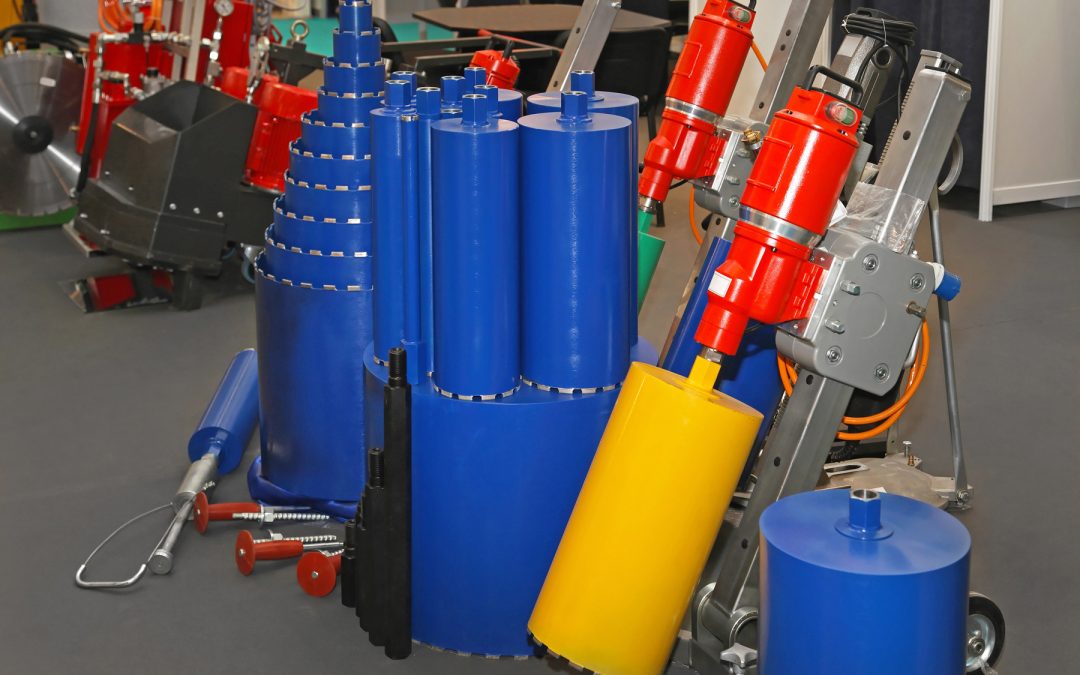
Choosing the right diamond core drill and accessories.
Assessing site access and safety requirements.
Marking drilling locations with precision.
Skipping any of these steps increases the likelihood of costly mistakes. Careful planning allows concrete core drillers to complete the work efficiently while protecting the surrounding structure.
Common Mistakes That Lead to Structural Damage
Most structural damage doesn’t happen because concrete is weak—it happens because someone rushes the job or uses the wrong technique.
Some of the biggest mistakes I see include:
Mistake
Potential Consequence
Drilling without scanning
Damaged reinforcement or hidden services
Using impact drills instead of diamond drilling
Cracks and excessive vibration
Incorrect hole placement
Structural weakening and costly rectification
Poor equipment maintenance
Uneven drilling and inaccurate holes
Hiring inexperienced operators
Increased safety and repair risks
Ignoring engineering drawings
Non-compliance and project delays
Professional concrete core drillers avoid these problems through proper training, modern equipment, and a methodical approach.
Clean Core Drilling Creates Better Results
A clean drilling site benefits everyone working on the project. Modern diamond drilling systems often use water to cool the drill bit and reduce airborne dust. Many jobs also include slurry collection systems and vacuum extraction to keep the work area tidy.
This creates several advantages:
Cleaner workspaces
Improved visibility
Better air quality
Less clean-up after drilling
Reduced disruption to surrounding trades
More professional project outcomes
Clean drilling isn’t just about appearance. It improves efficiency and contributes to a safer work environment for everyone on site.
Choosing Experienced Concrete Core Drillers Pays Off
Not every drilling contractor offers the same level of expertise. Experience makes a noticeable difference when working around structural elements, confined spaces, or complex commercial projects.
When comparing contractors, I recommend looking for qualities such as:
Extensive experience with residential and commercial projects
Modern diamond core drilling equipment
Concrete scanning capabilities
Strong safety procedures
Fully insured services
Knowledge of Melbourne building requirements
Consistent communication throughout the project
The cheapest quote rarely delivers the best long-term value. Skilled concrete core drillers help minimise risks, reduce delays, and protect your investment from avoidable structural damage.
Safety and Compliance Should Never Be an Afterthought
Construction safety isn’t something I treat as an optional extra. Every drilling project should follow safe work practices that protect workers, nearby trades, and the building itself. Proper planning, risk assessments, equipment inspections, and site-specific procedures all contribute to safer outcomes.
For construction safety guidance and best practices in Australia, it’s worth reviewing the information provided by Safe Work Australia.
Following recognised safety standards helps reduce workplace risks while supporting efficient, high-quality construction projects.
Why Technology Has Changed Concrete Core Drilling
The concrete drilling industry has evolved dramatically over the past decade. Today’s equipment allows concrete core drillers to complete projects faster, more accurately, and with significantly less disruption than older methods.
Some of the latest innovations include:
Digital concrete scanning technology
High-performance diamond drill bits
Low-vibration drilling systems
Remote water management systems
Precision drilling rigs for large-diameter cores
Dust and slurry control equipment
These advancements improve drilling accuracy while reducing the likelihood of structural damage, making them a valuable investment for projects of every size.
Residential and Commercial Projects Benefit Equally
Whether you’re renovating a family home or managing a large commercial development, the principles remain the same. Accurate drilling protects structural integrity, keeps projects on schedule, and reduces unexpected repair costs.
I’ve worked on projects where a single well-planned drilling operation saved several days of rework. I’ve also seen rushed jobs create expensive delays that affected multiple trades. The difference almost always comes down to preparation, experience, and precision.
That’s why experienced concrete core drillers continue to play such an important role across Melbourne’s growing construction industry.
Conclusion
Successful construction projects rely on precision, not guesswork. Professional concrete core drillers use advanced equipment and careful planning to create accurate openings while protecting the building’s structural integrity.
Whether it’s a renovation, new build, or commercial project, hiring experienced concrete core drillers helps prevent costly damage, keeps work on schedule, and ensures safe, efficient results from start to finish.
If you need accurate, clean, and dependable concrete drilling services, work with experienced concrete core drillers who understand Melbourne’s construction standards and prioritise precision on every job.
Investing in professional expertise today can help you avoid costly structural damage tomorrow and keep your project moving forward with confidence.
Frequently Asked Questions
Why should I hire professional concrete core drillers instead of using general drilling contractors?
Professional concrete core drillers use specialised diamond drilling equipment and proven techniques to create precise openings without damaging the surrounding concrete. Their expertise helps protect the building’s structural integrity and reduces costly mistakes.
Can concrete core drillers drill through reinforced concrete safely?
Yes. Experienced concrete core drillers safely drill through reinforced concrete by scanning for reinforcing steel and hidden services before drilling. This ensures accurate hole placement and minimises the risk of damage.
What is diamond core drilling?
Diamond core drilling uses a hollow drill bit with industrial-grade diamond segments to drill clean, precise holes through concrete, brick, stone, and reinforced concrete. It creates minimal vibration, less dust, and smooth finishes.
How do concrete core drillers prevent structural damage?
Professional concrete core drillers carefully plan each drilling location, scan the concrete, and use controlled diamond drilling methods. This reduces cracking, vibration, and unnecessary stress on the structure.
Does concrete core drilling create a lot of dust and mess?
No. Modern concrete core drillers use water-cooled drilling systems and dust-control methods to keep the work area clean. This minimises airborne dust and site disruption.
Is concrete scanning necessary before drilling?
Yes. Concrete scanning identifies reinforcing bars, cables, pipes, and other hidden services before drilling begins. This helps prevent accidental damage and expensive repairs.
How long does concrete core drilling usually take?
The time depends on the hole size, depth, concrete strength, and site conditions. Most standard drilling jobs can be completed quickly by experienced concrete core drillers.
Can concrete core drillers work on occupied buildings?
Yes. Diamond core drilling produces low noise, minimal vibration, and less dust, making it suitable for hospitals, offices, schools, apartments, and other occupied buildings.
Imagine you’re about to drill into a concrete slab, install new services, or renovate a commercial space. Everything looks fine from the outside. The surface is smooth, solid, and harmless. But underneath? There could be hidden pipes, electrical cables, reinforcement steel, or unexpected surprises waiting to cause expensive damage. This is exactly where professional Concrete XRay Services become essential, helping you see what’s hidden inside the concrete before making any costly mistakes.
That’s where modern concrete investigation methods become a game changer. I’ve seen how the right scanning approach can save builders, contractors, and property owners from costly mistakes. Two common options often come into the conversation: concrete x-ray services and concrete scanning.
While people sometimes use these terms interchangeably, they actually work in different ways and suit different project needs. Choosing the wrong method can slow your timeline, increase risks, and create unnecessary headaches.
In this guide, I’ll break down the difference between concrete xray services and concrete scanning, explain when you need each option, and help you understand which solution makes sense for your Melbourne project.
What Are Concrete XRay Services?
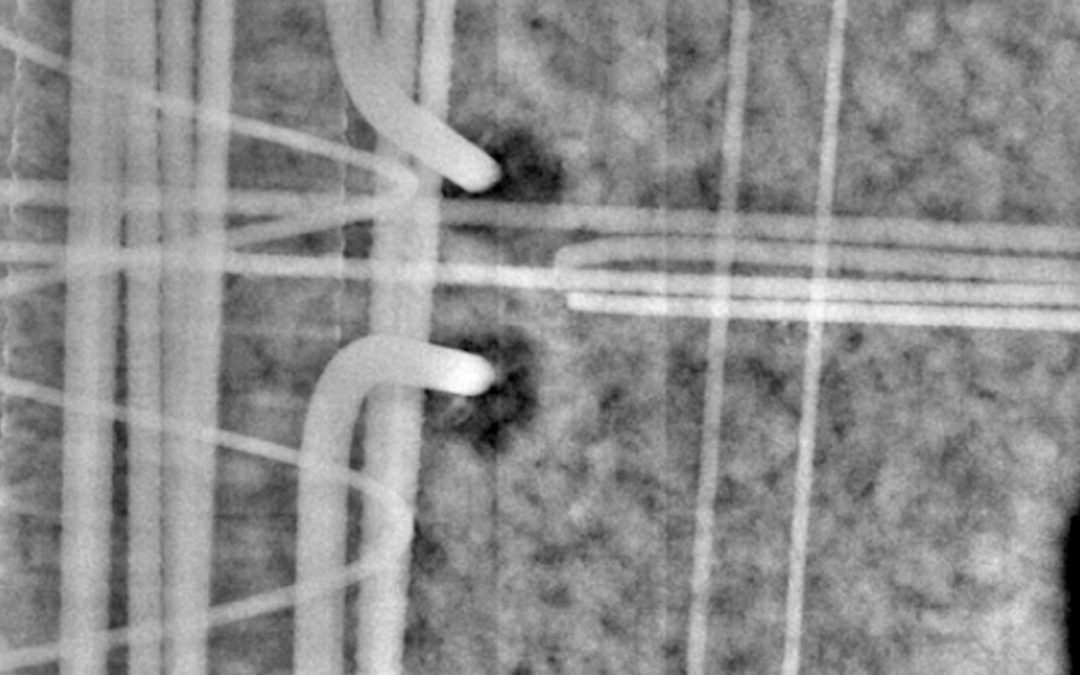
Concrete x-ray services use radiographic technology to create detailed images of what sits inside concrete structures. Think of it like taking an internal photograph of a concrete slab without opening it up.
This method helps identify hidden elements such as:
Electrical conduits
Steel reinforcement bars
Post-tension cables
Plumbing lines
Voids or unusual structures inside concrete
I often compare concrete x-ray technology to a medical X-ray. A doctor doesn’t need to open your body to check your bones, and builders don’t want to damage concrete just to discover what sits underneath.
For projects where accuracy matters, this method provides valuable information before drilling or coring begins.
Understanding Concrete Scanning
Concrete scanning uses technologies such as Ground Penetrating Radar (GPR) to detect objects and structures inside concrete.
Unlike traditional x-ray methods, concrete scanning sends radar signals into the slab and reads the reflected signals to map what exists below the surface.
It helps locate:
Reinforcement steel
Electrical wiring
Pipes
Concrete thickness
Structural details
Concrete scanning has become popular across Melbourne construction projects because it offers a fast and practical way to inspect concrete without creating major disruption.
For many everyday construction jobs, scanning provides enough information to work safely and confidently.
Concrete Xray Services in Melbourne: Choosing the Right Inspection Method
Every project has different requirements. A small renovation job might need a different approach compared to a large commercial development.
When you need highly detailed internal images and maximum accuracy, professionalconcrete xray services in Melbourne can help identify hidden risks before concrete drilling begins.
The key is understanding the environment, project size, safety requirements, and level of detail needed before choosing a method.
Concrete XRay Services vs Concrete Scanning: Main Differences
Here’s a simple comparison to understand how both methods differ:
Feature
Concrete X-Ray Services
Concrete Scanning
Technology Used
Radiographic imaging
Ground Penetrating Radar (GPR)
Accuracy
Provides highly detailed images
Provides accurate detection mapping
Best For
Complex structural investigations
General locating and mapping
Safety Requirements
Requires controlled conditions
Easier on active job sites
Speed
Usually takes more preparation
Generally quicker
Common Use
Detailed inspections
Everyday construction planning
Both methods help prevent accidental damage, but they approach the problem differently.
When Should You Use Concrete XRay Services?
I recommend considering concrete x-ray services when your project requires a higher level of certainty.
Common situations include:
Commercial Construction Projects
Large buildings often contain complex networks of cables, pipes, and reinforcement systems. One wrong hole can create serious delays.
Structural Modifications
If you’re modifying existing concrete structures, knowing what exists inside becomes essential before making changes.
High-Risk Drilling
Areas containing post-tension cables or critical structural elements require careful investigation.
Precision Matters
Some projects simply cannot afford guesswork. When accuracy becomes the priority, x-ray inspection offers a deeper level of information.
When Is Concrete Scanning the Better Choice?
Concrete scanning works well when you need fast information without interrupting the entire site.
I find it especially useful for:
Commercial fit-outs
Office renovations
Plumbing installations
Electrical upgrades
General construction preparation
It gives contractors a clear picture of where they can safely work.
A good inspection before drilling is much cheaper than repairing damaged infrastructure later. Nobody wants a “surprise swimming pool” because someone accidentally hit a water pipe inside a slab.
Safety and Compliance Considerations in Australia
Construction safety is a major priority across Australia. before any concrete drilling work begins, identifying hidden services helps reduce workplace risks and supports safer project planning.
For Australian construction guidance and workplace safety information, I recommend checking resources from Safe Work Australia.
Following proper inspection processes protects workers, equipment, and the project timeline.
Which Option Is Better for Melbourne Projects?
The answer depends on your specific situation.
Melbourne has a mix of modern commercial buildings, older properties, renovations, and infrastructure projects. Because of this variety, there isn’t one universal solution.
Here’s a quick guide:
Choose concrete x-ray services if you need:
Detailed internal images
High precision results
Investigation of complex structures
Maximum confidence before drilling
Choose concrete scanning if you need:
Faster detection
General concrete mapping
Cost-effective investigation
Practical information for everyday works
The smartest approach is not choosing the cheapest option first. It’s choosing the method that prevents expensive mistakes later.
Benefits of Professional Concrete Inspection
Professional inspection provides several advantages:
Reduces Damage Risks
You can avoid hitting hidden cables, pipes, and structural components.
Saves Project Time
Finding problems before work begins prevents unexpected delays.
Improves Worker Safety
Clear information helps teams plan safer drilling activities.
Protects Your Investment
A small inspection cost can prevent major repair expenses.
Common Mistakes People Make Before Concrete Drilling
I’ve noticed many problems happen because people assume concrete is predictable.
Some common mistakes include:
Drilling without checking what is underneath
Relying only on old building drawings
Choosing the wrong scanning method
Ignoring hidden structural elements
Concrete might look simple from the outside, but inside it can be a maze of systems working together.
Conclusion
Concrete x-ray services and concrete scanning both play an important role in modern construction. The right choice depends on your project requirements, risk level, and the amount of detail you need.
Concrete scanning offers a practical solution for many everyday projects, while concrete xray services provide deeper investigation when precision is critical.
Before you start drilling or modifying concrete, get the right information first. A professional inspection can protect your timeline, budget, and safety.
If you’re planning a Melbourne construction project and need reliable guidance, contact an experienced concrete inspection team today and choose the right solution for your site.
Frequently Asked Questions (FAQs)
What is the difference between concrete xray services and concrete scanning?
Concrete xray services use radiographic imaging to create detailed internal images of concrete, while concrete scanning commonly uses GPR technology to locate objects and structures inside slabs.
Are concrete xray services safe?
Yes. Professional operators follow strict safety procedures and use controlled equipment to complete inspections safely.
Is concrete scanning accurate?
Yes, concrete scanning can accurately detect many hidden elements including reinforcement steel, pipes, and cables. Accuracy depends on site conditions and equipment quality.
Which method is cheaper: concrete scanning or concrete x-ray?
Concrete scanning is often more practical for general inspections, while concrete x-ray services may involve more preparation and controlled conditions.
Do I need concrete inspection before drilling into a slab?
Yes. Checking the inside of concrete before drilling helps prevent damage to hidden services and reduces safety risks.
Can concrete scanning find electrical cables?
Yes. Concrete scanning can help locate electrical cables, conduits, reinforcement, and other embedded materials.
How long does a concrete inspection take?
The timeframe depends on the project size, concrete thickness, and inspection method required. Many standard scans can be completed quickly on-site.
Why should Melbourne builders use professional concrete inspection services?
Professional inspections provide accurate information, improve safety, and help avoid costly mistakes during construction or renovation work.
A complex build does not leave much room for guesswork. One wrong move, and suddenly the site feels like a bad haircut: messy, expensive, and hard to fix. That is exactly why Commercial Concrete Drilling matters so much.
It gives you clean access through concrete, keeps the job moving, and helps every trade work without stepping on each other’s toes. In Melbourne, where projects often mix tight timelines, busy sites, and tricky structural requirements, you need more than brute force.
You need precision. You need planning. And you need a method that respects the build instead of fighting it. Commercial Concrete Drilling delivers that balance with less disruption and a far better finish.
When I look at jobs that need a neat, reliable result, I always come back toCommercial Concrete Drilling in Melbourne. It keeps the work tidy, protects the structure, and helps you avoid the sort of drama that turns a smooth build into a site-wide gossip session.
Why Commercial Concrete Drilling makes complex builds easier
Complex builds usually involve more than one trade, more than one timeline, and more than one thing hiding inside the slab or wall. Plumbing, electrical, HVAC, fire services, data lines, and structural elements all need space to coexist.
Commercial Concrete Drilling creates that space with accuracy, so you can run services exactly where they need to go. It also helps you work smarter, not louder. Instead of smashing through concrete and hoping for the best, you create controlled openings that suit the design.
That matters on high-spec jobs, because the cleanest finish often saves the most time later. I like to think of Commercial Concrete Drilling as the quiet professional in the room: not flashy, just very good at its job.
Where it earns its keep on site
Here is a simple way to see why this method plays such a big role in complex builds:
Build challenge
What Commercial Concrete Drilling does
Why it matters
Tight service runs
Creates exact openings for pipes, cables, and ducts
Saves time and avoids messy rework
Reinforced concrete
Drills cleanly without wrecking the structure
Protects the integrity of the build
Busy live sites
Reduces noise, dust, and site disruption
Keeps other trades moving
High-end finishes
Produces neater penetrations and edges
Improves the final look
Time pressure
Speeds up service installation
Helps the project stay on schedule
That table tells the story pretty clearly. Commercial Concrete Drilling does not just make holes. It supports the whole rhythm of the build.
Precision matters more than people think
A complex build often looks fine on paper until the first service needs to pass through a slab, wall, or beam zone. That is when precision starts paying rent. Commercial Concrete Drilling gives you measured openings that line up with the design, the service routes, and the structural plan.
I have seen projects lose hours because someone tried to improvise a penetration on site. The result usually looks rough, costs more to clean up, and slows everybody down. A precise approach keeps the opening where it should be, which helps the plumber, sparky, mechanical contractor, and builder all breathe a little easier.
It protects the structure as well as the schedule
A lot of people think drilling concrete only affects the spot you drill. In reality, the ripple effect can be much bigger. If you damage reinforcement, crack an edge, or punch through the wrong area, you can create headaches that follow the job for weeks. Commercial Concrete Drilling helps you avoid that mess because it focuses on controlled drilling and accurate placement.
That matters even more on commercial sites with engineered slabs, post-tension systems, or load-sensitive areas. You cannot afford a cowboy approach. You need clean work that respects the design and the engineering behind it. When the structure stays happy, the whole project gets a better shot at finishing on time.
Safety is not a side note
On a busy building site, safety is not the boring bit at the end. It is the bit that keeps everything else possible. Commercial Concrete Drilling supports safer work because it lets you plan the penetration properly, choose the right method, and reduce the chance of damaging hidden services.
Dust control also matters. Concrete work can create silica dust, which nobody wants hanging around the site like an unwelcome guest. Better planning, proper equipment, and the right drilling method all help reduce that risk. For Melbourne sites, I always treat the WorkSafe Victoria guide on safe concrete drilling as a practical baseline.
It keeps the project moving
Time matters on complex builds. Every delay pushes back another trade, and before long the whole program starts wobbling. Commercial Concrete Drilling helps you avoid that domino effect because it creates fast, accurate openings with less mess and less rework.
That speed does not come from rushing. It comes from doing the job properly the first time. When the drilling team knows what they are doing, checks the layout, scans the area, and uses the right gear, the job flows. That is gold on commercial fit-outs, refurbishments, transport projects, and new builds where every hour counts.
Melbourne builds bring their own challenges
Melbourne is full of construction variety. One day you might work in a tight CBD tower. The next, you might deal with a warehouse conversion, a health-care upgrade, or a retail fit-out that needs service penetrations in a very cramped ceiling space. Commercial Concrete Drilling fits that kind of environment because it adapts to the job rather than forcing the job to adapt to the tool.
That flexibility matters when access is limited, finishes matter, and multiple trades share the same area. You need a method that can handle slabs, walls, stairwells, risers, and service routes without turning the site into chaos. That is where Commercial Concrete Drilling quietly earns its reputation.
The real value shows up after the drill is done
The best thing about Commercial Concrete Drilling is not only the hole it creates. It is everything that happens after that. The plumber gets the route they need. The electrician gets a clean path for cable runs. The HVAC team gets the opening they planned for. The builder keeps the schedule intact. And you avoid the ugly cost of patching mistakes.
That is the real win. Clean penetrations make the rest of the build easier, tidier, and far less stressful. On high-pressure jobs, that kind of calm is worth its weight in coffee.
Why complex builds need a proper drilling plan
No serious commercial project should treat drilling as an afterthought. I always see better results when the team plans the opening, confirms the location, checks for services, and chooses the right drilling method before work starts. Commercial Concrete Drilling works best when it sits inside that plan, not outside it.
Here is the simple formula I trust:
Check the drawings.
Scan the area.
Confirm the service route.
Drill with precision.
Clean up properly.
That order saves time, protects the structure, and keeps everyone on site a lot happier. It also gives you a better finish, which matters more than people admit.
Conclusion
Complex builds need calm hands, sharp planning, and a drilling method that respects the job. Commercial Concrete Drilling gives you that edge. It keeps openings precise, protects the structure, supports safety, and helps every trade move faster with fewer surprises.
So if you are dealing with a project that feels a bit too complicated for rough guesswork and crossed fingers, take the smarter route. Use the method that keeps the build clean, controlled, and on track. That is how you make a hard job look easy.
Ready to keep your next Melbourne project clean, precise, and on schedule? Start with Commercial Concrete Drilling that matches the complexity of the build, not the other way around.
Frequently Asked Questions
What is Commercial Concrete Drilling used for?
I use Commercial Concrete Drilling for clean openings in concrete slabs, walls, and structural elements so services like plumbing, electrical, HVAC, and fire lines can pass through neatly.
Why does Commercial Concrete Drilling suit complex builds so well?
It suits complex builds because it gives you accuracy. That helps you avoid structural damage, reduce rework, and keep multiple trades moving without clashes.
Do I need slab scanning before drilling?
Yes, slab scanning usually makes sense on commercial sites. It helps you locate hidden services, reinforcement, and risky areas before you drill.
Why Choose Commercial Concrete Drilling?
For most commercial jobs, yes. It usually gives you a cleaner result, better control, and less disruption to surrounding work.
Does Commercial Concrete Drilling create a lot of dust?
It can create dust if you do it badly, but the right method, equipment, and controls can reduce it a lot. That is one reason proper planning matters.
Where does Commercial Concrete Drilling help most on Melbourne sites?
I see it work best in CBD fit-outs, warehouse upgrades, retail spaces, apartments, hospitals, schools, and transport projects where precision and speed both matter.
When you rip out old racking, the job does not end when the bolts come out. Racking Bolt Removal and Refilling is an essential step in restoring the floor after dismantling old warehouse systems, as the surface still holds the story: holes, chips, dust, and that slightly rough “we’ll deal with it later” look that nobody really loves. I see this all the time in busy warehouses, fit-outs, and commercial sites across Melbourne.
That is where racking bolt removal and refilling earns its keep. It does not just tidy up the slab. It helps you reset the space, protect the floor, and keep the site looking sharp and ready for the next move. And in a city where warehouses, logistics hubs, and retail back-of-house spaces stay under pressure, that matters more than people think.
If you need this done in Melbourne, I keep the process straightforward with racking bolt removal and refilling in Melbourne that suits commercial floors, warehouse decommissioning, and clean slab finishes.
What racking bolt removal and refilling actually means
At its simplest, this job has two parts. First, I remove the old racking bolts from the slab. Then I refill the holes so the floor looks neat, feels safer underfoot, and stays more practical for future use.
That refill step matters. If you leave holes open, you create a mess for forklifts, trolleys, staff boots, and anyone who enjoys tripping at exactly the wrong time. You also leave the slab more exposed to dirt, water, and wear. A proper refill turns a damaged-looking patch into a smooth, workable surface again.
For many businesses, this work sits inside a bigger project: warehouse relocation, racking removal, tenancy handover, warehouse fit-out changes, or general concrete slab repair. So yes, the bolts are small. The impact, though, can be pretty big.
Why businesses in Melbourne do it
Businesses usually call for racking bolt removal and refilling when they want one of three things: a cleaner finish, safer access, or a proper handover-ready floor.
You might need it when you are:
removing old pallet racking
shifting warehouse layouts
preparing a tenancy for lease return
upgrading storage zones
clearing out a site after decommissioning
replacing damaged or outdated anchors
I also find that many business owners care about the first impression. Fair enough. A neat slab says, “This place runs properly.” A floor full of old holes says, “We ran out of time.” That is not exactly the message you want under your boots.
How the process works
I like to keep the process simple, because simple usually wins.
First, I inspect the slab and check the bolt locations. Then I remove the racking bolts carefully so I do not damage the surrounding concrete more than necessary. After that, I clean out each hole properly, because dirt and loose debris can ruin the finish fast.
Next comes the refill. Depending on the site, I may use a suitable repair material to patch each hole and bring the surface back level. After curing, I check the finish and make sure the repaired area looks tidy and ready for use.
When refilling matters just as much as removal
Some people focus only on getting the bolts out. I get it. That is the noisy part, so it gets the attention. But the refill is the bit that makes the whole job look finished.
A poor refill can leave:
shallow dips
rough edges
visible patch marks
weak spots around the hole
a slab that still looks half-done
A good refill does the opposite. It helps the floor blend back in and keeps the work area looking clean, sharp, and easy to maintain. For businesses that care about presentation, that difference counts.
The safety side of the job
Racking systems carry weight, so I never treat bolt removal like a throwaway task. I keep an eye on site safety, access control, nearby traffic, and the condition of the slab before I start. If forklifts, pallets, or staff move through the area, I want a clear plan in place before any work begins.
That approach lines up with the practical safety thinking Melbourne businesses already use across warehouses and storage areas. It also helps keep the job efficient. Nobody enjoys stopping halfway through because someone left a pallet jack parked in the wrong lane.
What I check before I start
Before I drill, remove, or refill anything, I check a few basics. That saves time later and helps protect the floor.
Check
Why it matters
Bolt type and depth
It helps me choose the right removal method
Slab condition
It shows me whether the concrete needs extra repair
Nearby traffic
It reduces the risk of damage or injury
Hole size and spacing
It guides the refill method
Final floor use
It tells me how neat and durable the finish needs to be
What Melbourne businesses should know about racking safety
When a warehouse changes, I never look at the bolts in isolation. I look at the whole racking area: the layout, the load paths, the floor, and the future use of the space. If you plan to keep using the area for storage, then the slab finish needs to support that. If you plan to clear the area for something else, then you want a cleaner, more seamless result.
For a government-backed reference on racking maintenance and safety, you can also look at WorkSafe Victoria’s Pallet racking operation and maintenance guidance, which helps businesses think through risk, upkeep, and safe operation.
Common mistakes businesses make
I see the same mistakes pop up again and again.
One big one is leaving old holes unfilled “for later.” Later often turns into never. That creates trip risks and makes the slab look unfinished.
Another mistake is rushing the removal and chipping the surrounding concrete. That turns a simple patch job into a bigger repair.
A third mistake is skipping the clean-up. Dust and debris can stop the refill from bonding properly, and then the finish looks rough or fails earlier than it should.
Finally, some sites ignore the end use of the floor. A slab that will carry traffic needs a different level of finish than a vacant storage bay. One size does not fit every site. Floors, like good shoes, need the right fit.
Why a professional finish matters
A proper finish does more than look neat. It helps your business in a few practical ways:
Reducing trip hazards becomes easier when old bolt holes and damaged areas are properly repaired.
A clean and professional surface improves the overall presentation of your site.
Smooth floor restoration can make tenancy handovers simpler and more efficient.
Future floor marking or layout changes become easier with a properly prepared slab.
Long-term protection of the concrete surface helps prevent further wear and damage.
I like to think of it as the difference between “job done” and “job done properly.” That second one always feels better, and your floor usually agrees.
How to choose the right service
When you look for help with racking bolt removal and refilling, ask a few simple questions:
Does the team have experience working with commercial and warehouse slabs?
Can they provide both floor repair and bolt removal services?
Will they inspect the site properly before starting the work?
Are they able to deliver a clean, professional, and tidy finish?
Have they handled Melbourne business sites and commercial projects before?
You do not need big words or flashy promises. You need someone who turns up, works carefully, and leaves the slab looking like the work never happened in the first place. That is the real trick.
Conclusion
If your business has old racking in the way, do not let the floor carry the burden long after the shelves have gone. Racking bolt removal and refilling gives you a cleaner slab, a safer workspace, and a better result for handover, storage changes, or site upgrades.
I always say this: the best concrete work is the kind people notice only because everything looks right. No awkward holes, No rough edges, No “we’ll fix that later” vibe. Just a tidy, practical floor that lets the rest of your business move on.
If you need racking bolt removal and refilling in Melbourne, get in touch and ask for a quote. I’ll help you plan the job, clean up the slab, and leave the space ready for what comes next.
FAQs
1. What is racking bolt removal and refilling? It means I remove old rack anchor bolts from the concrete slab and then refill the holes so the floor looks neat and stays safer to use.
2. Why should I refill the holes after removing racking bolts? Refilling helps reduce trip hazards, protects the slab, and gives the site a cleaner finish.
3. Can you remove racking bolts from warehouse floors? Yes. I can handle commercial and warehouse slabs, as long as I inspect the site and choose the right method for the concrete.
4. Does racking bolt removal damage the slab? It can, if someone rushes the job. Careful removal keeps damage to a minimum and makes the refill cleaner.
5. How long does the refilling part take? That depends on the number of bolt holes, the slab condition, and the repair material used. The bigger the area, the more time I allow for preparation and curing.
6. Is this the same as general concrete repair? It overlaps with concrete repair, but it focuses on anchor holes, slab patching, and clean-up after racking removal.
7. When do Melbourne businesses usually need this service? They usually need it during warehouse relocations, racking changes, lease handovers, fit-outs, and site decommissioning.
8. What makes a good finish? A good finish looks level, blends into the slab, and leaves no obvious rough patches or open holes.