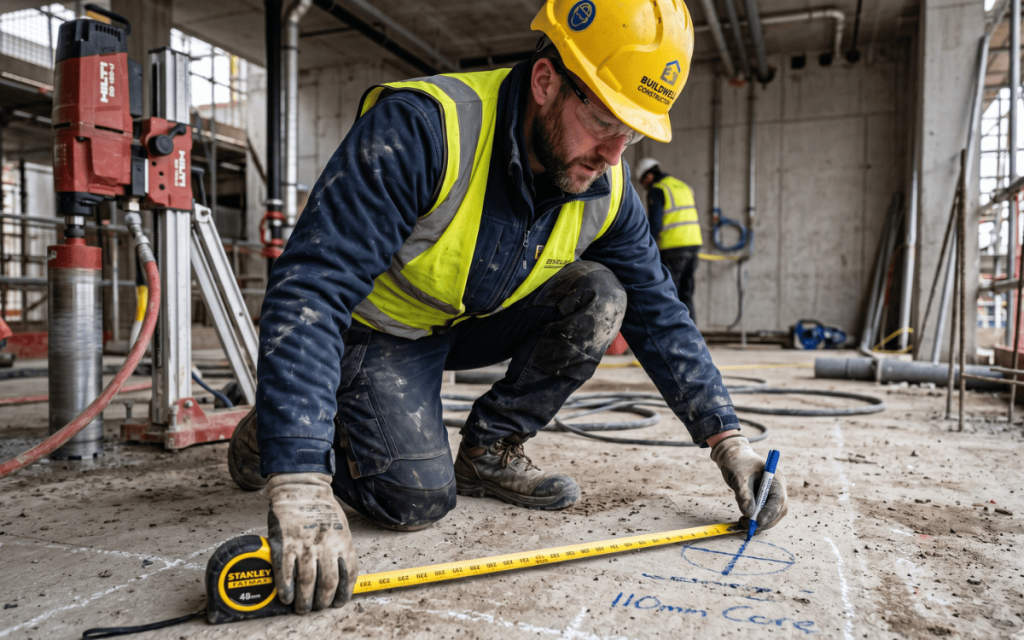
When a commercial building needs power and data in just the right spot, there is no room for guesswork. You want clean access, neat finishes, and zero drama. That is exactly where floor box core drilling steps in and saves the day.
In busy Melbourne buildings, I see this job show up everywhere: offices, retail fit-outs, education spaces, hospitals, and multi-level commercial floors. The goal stays simple, but the work behind it needs skill. You are drilling into a slab, making room for services, and protecting the structure at the same time. It is a bit like giving the building a tailored suit instead of a one-size-fits-all mess.
If you are planning a fit-out or upgrading services, floor box core drilling in Melbourne usually starts with proper planning, scanning, and precise drilling. That is the secret sauce. Get that right, and everything else feels smoother, cleaner, and far less stressful.
What floor box core drilling actually does
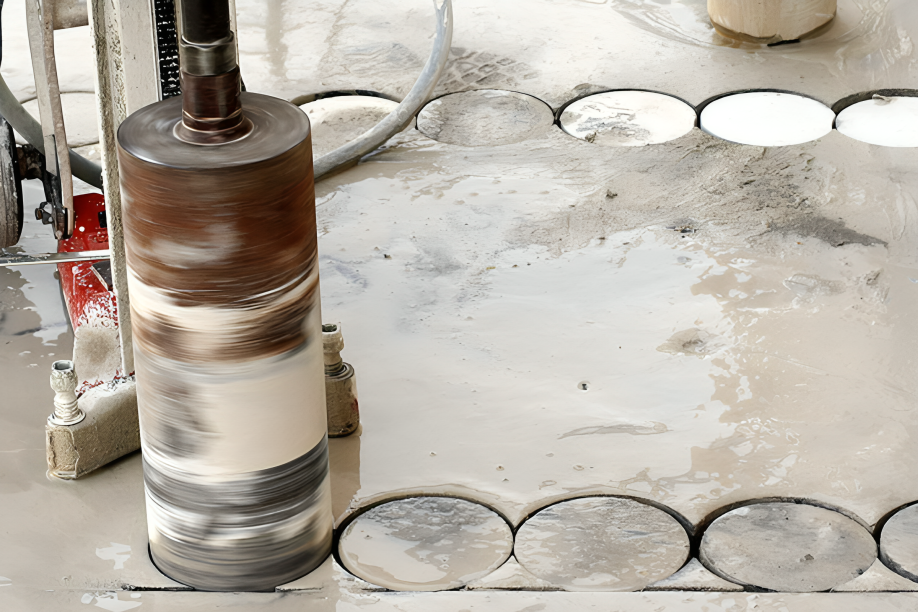
At its core, floor box core drilling creates a neat circular opening in concrete or another hard surface so a floor box can sit flush with the finished floor. That opening lets electricians, data installers, and builders place access points where people actually need them, not three metres away and awkwardly hidden behind a desk.
In a commercial building, this matters more than most people think. A badly placed floor box can ruin a layout, interrupt furniture placement, and turn a polished fit-out into a daily annoyance. Good floor box core drilling keeps the space practical and sharp-looking.
Where you usually need floor boxes in commercial buildings
You will often see floor boxes in places where teams need flexible access to power, data, or both. Think open-plan offices, boardrooms, coworking spaces, retail counters, hospitality venues, and tech-heavy work zones.
Common uses include:
power for desks and meeting tables
data points for internet and communications
AV and screen connections in conference rooms
floor access in reception areas and collaboration spaces
services for reconfigured tenancies during a fit-out
When I look at a job like this, I always ask one question: where will people actually work, meet, and move around? That answer guides the drilling plan.
Why planning comes before drilling
A good result starts long before the drill arrives. I always treat planning like the main event, because once the hole goes in, you do not get a graceful do-over.
Before any floor box core drilling work begins, I want these boxes ticked:
Confirm the exact box size and model.
Check the floor finish height.
Mark the final location on site.
Identify hidden services below the slab.
Confirm access, noise limits, and working hours.
That last one sounds small, but in a live commercial building, timing can make or break the job. Nobody wants a drill roaring through a quiet office at the wrong moment. Awkward. Very awkward.
The step-by-step process I follow
Once the layout gets approved, the actual drilling usually follows a clear path. I like this kind of work because precision matters more than brute force. Concrete does not care about enthusiasm; it cares about the right method.
Here is the usual process:
Site check and marking I confirm the position of the floor box and check the surrounding slab.
Slab scanning I scan for reinforcement, conduit, pipes, and other hidden surprises.
Hole sizing I match the core diameter to the floor box and the installation method.
Drilling I use the right rig and bit to create a clean, accurate opening.
Clean-up and handover I remove debris, check the hole edge, and leave the site ready for installation.
What makes floor box core drilling different from regular coring
Not all coring jobs play by the same rules. Floor box work needs tighter accuracy because the opening must suit the box, the cover, and the final floor finish. If the hole runs too wide, you invite patching problems. If it runs too tight, the box will fight you every step of the way.
Here is a quick comparison:
Job type
Main goal
Tolerance level
Typical risk
General core drilling
Create service penetrations
Moderate
Lower visual impact
Floor box core drilling
Fit a flush floor box cleanly
Very tight
Finish issues if misaligned
Larger service penetrations
Run pipes, conduits, or risers
Moderate to high
Structural and coordination risks
That table says it all. Floor box core drilling lives in the precision lane.
Safety matters more than speed
This is where the shiny finish meets the real world. Concrete drilling can kick up dust, create noise, and expose hidden services if nobody checks properly. I never treat safety as a checkbox job. I treat it like part of the craft.
That is why I follow a proper risk process and use controls that suit the site. WorkSafe Victoria’s safe concrete drilling industry standard gives practical guidance for drilling work in Victoria, and it lines up with the kind of careful planning commercial sites need.
In plain English, that means I look after dust control, scanning, hole stability, edge safety, and site coordination before I fire up the drill. Because a clean hole is great, but a clean hole with a safe job behind it is much better.
The biggest mistakes I see on commercial sites
I have seen enough coring work to know where people usually trip up. The mistakes are rarely glamorous. They are usually simple, preventable, and annoying.
The biggest ones are:
drilling before scanning
guessing the box size
ignoring slab thickness
skipping layout checks with the electrician or builder
leaving the final finish too late in the schedule
The fifth one causes more headaches than people admit. If the flooring team and the drilling team do not speak early, the site turns into a mess of rework, extra rework, and unhappy faces.
How to choose the right contractor
Choosing the right team matters just as much as choosing the right box. You want someone who understands commercial fit-outs, not just someone with a drill and confidence. Confidence is nice. Experience is nicer.
I would look for a contractor who can show you:
commercial building experience
slab scanning before drilling
clean, accurate holes
knowledge of Melbourne site conditions
clear communication with builders, electricians, and project managers
a tidy finish around the penetration
Good floor box core drilling work should look almost invisible when it is done well. That is the point. The building should feel smarter, not more cluttered.
How floor box core drilling supports better design
A lot of people think drilling is just a trade job. I think it is part of the design language of a commercial space. When a floor box lands in the right spot, the whole room feels calmer. Cables stay hidden. Desks stay flexible. The layout keeps breathing.
That matters in modern Melbourne workplaces, where people want adaptable spaces, clean lines, and fewer visual distractions. A neat floor box lets the room do its job without shouting for attention. It is the quiet achiever of the fit-out world.
Conclusion
Floor box core drilling looks simple from the outside, but the best results come from careful planning, accurate scanning, and a clean finish. When you handle it properly, you protect the slab, support the services layout, and keep the whole commercial space looking sharp.
If you are planning a fit-out, refurbishment, or services upgrade in Melbourne, I recommend treating the drilling stage as a key part of the project, not an afterthought. Get the layout right, choose the right crew, and keep the finish in mind from day one. That is how you avoid ugly surprises and end up with a space that works as well as it looks.
If your commercial project needs precise, tidy, and well-planned floor box core drilling, get the layout sorted early and book a specialist who understands the slab, the services, and the finish.
Frequently Asked Questions
What is floor box core drilling?
It is the process of drilling a precise hole in a slab so a floor box can sit flush with the finished floor and provide power or data access.
Why does floor box core drilling matter in commercial buildings?
It keeps the layout clean, supports flexible workspaces, and helps electricians and builders place services exactly where people need them.
Do you need slab scanning before floor box core drilling?
Yes. Slab scanning helps locate reinforcement, pipes, conduits, and other hidden services before drilling starts.
Can floor box core drilling happen in an occupied building?
Yes, in many cases it can, but the job needs careful timing, dust control, noise planning, and site coordination.
What should I check before booking floor box core drilling?
Check the box size, floor finish height, drilling location, slab conditions, and whether the contractor scans the slab first.
How do I know the floor box will sit flush?
You need accurate hole sizing, correct depth planning, and a contractor who understands the final floor finish and box model.
Is floor box core drilling the same as general concrete coring?
Not exactly. General coring covers many openings, while floor box core drilling needs tighter accuracy because the finish has to look neat and sit flush.
Melbourne loves a sharp fit-out. Clean lines, smart spaces, no messy surprises. But the second you need a pipe, cable, duct, or service line to pass through a wall, things can get a bit more interesting. That is where wall penetration core drilling steps in and saves the day.
I like to think of it as the neat-freak of the construction world. It creates a precise opening without turning your wall into a demolition scene. So whether you are upgrading a home, fitting out a shop, or sorting a commercial site, wall penetration core drilling gives you control, accuracy, and a far cleaner result than a brute-force approach.
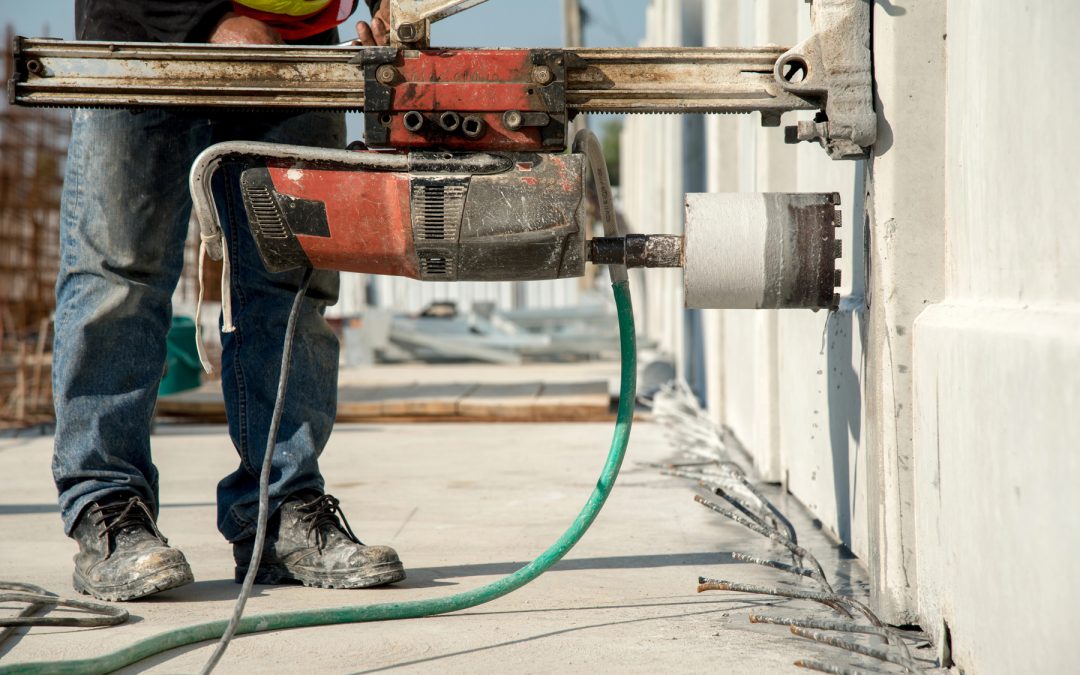
At its core, this job creates a smooth, accurate hole through brick, concrete, blockwork, or reinforced surfaces. People use it for plumbing lines, electrical conduits, air-conditioning pipes, exhaust systems, data cables, and all kinds of service penetrations.
The big win is precision. You do not guess. You measure, mark, scan, and drill with the right gear so the opening lands exactly where you need it. That matters in Melbourne, where many buildings mix old construction with newer upgrades. One wrong move can mean cracked finishes, hidden services damage, or an unhappy builder holding a very unfunny phone call.
Why Melbourne projects need a smarter drilling approach
Melbourne sites throw up all sorts of curveballs. You might deal with a tight inner-city apartment, a heritage brick wall, a townhouse renovation, or a commercial fit-out with a packed ceiling space. Each one asks for a different approach, and wall penetration core drilling gives you that flexibility.
People also search for terms like concrete wall drilling, diamond core drilling, wall coring, and service penetrations, and for good reason. The method suits jobs where accuracy matters more than muscle. It helps you keep dust under control, protect the structure, and avoid tearing out more material than you actually need.
Where wall penetration core drilling gets used
You see this work everywhere once you start noticing it. A split-system install in a Richmond terrace. A plumbing upgrade in a Brunswick unit. A kitchen exhaust in a Southbank apartment. A data cable run in a Docklands office. The job changes, but the need stays the same: a clean path through the wall.
Here’s a quick comparison that shows why people choose this method instead of rough methods or the wrong tool.
Situation
Best approach
Why it helps
Plumbing pipe through brick
Core drilling
Clean hole, less wall damage
Air-conditioning line set
Diamond core drilling
Accurate sizing and alignment
Electrical conduit penetration
Wall coring
Safer, neater service entry
Commercial fit-out
Wall penetration core drilling
Faster install and tidy finish
Sensitive heritage wall
Careful coring + scanning
Better control and lower risk
How I’d approach a proper drilling job
I never treat a penetration like a quick drill-and-go task. A clean result comes from a good process, not luck. I start with a site check, confirm the wall type, measure the exact point, and scan for hidden services. Then I choose the right bit size, drill angle, and drilling method.
Most jobs follow a simple rhythm:
Identify the service you need to run.
Measure the exact entry and exit point.
Scan the wall for electrical lines, plumbing, and other hidden hazards.
Protect the surrounding area.
Drill with the right equipment.
Clear the hole, check the finish, and seal or sleeve it if needed.
That process sounds simple, but it carries the whole job. Skip one step and you can turn a neat installation into a repair bill with a bad attitude.
Safety, dust, and structural care matter more than people think
A lot of people only see the hole. I see the structure behind it. That mindset matters, especially in Melbourne where older buildings often hide surprises. Some walls carry load, Some walls conceal wiring or pipework, Some walls sit inside busy apartments where dust and noise can annoy half the building before lunch.
Good wall penetration core drilling keeps the mess down and the risk lower. I always aim for proper scanning, correct PPE, dust control, and tidy site protection. I also prefer wet drilling where the job suits it, because it helps manage dust and keeps the hole smoother. In short, precision makes the job cleaner, safer, and far less dramatic.
For a solid government safety reference, I always check WorkSafe Victoria’s safe concrete drilling industry standard before starting work on a site that needs extra care.
What makes a good drilling contractor stand out
Not all drilling jobs look the same, and not every operator brings the same level of care. I would look for someone who asks smart questions before they drill. They should want to know the wall material, the service type, the building age, access limits, and whether the hole must line up with other trades.
A strong operator usually brings:
clear measuring and marking
scanning for hidden services
the right diamond core gear
dust and water control
a neat finish around the penetration
a practical plan for tight access or awkward angles
That mix tells me they care about the result, not just the speed of the drill.
What affects the cost of wall penetration core drilling
Pricing depends on more than hole size. Wall type, thickness, access, reinforcement, height, and site conditions all matter. A simple single penetration in a straight brick wall costs far less than a job in reinforced concrete with awkward access and service checks.
Here’s the real-world version of what drives the price:
Cost factor
What it changes
Wall material
Brick, block, concrete, and reinforced surfaces take different tools and time
Hole diameter
Bigger openings need more power and care
Wall thickness
Thicker walls mean longer drilling time
Access
Tight or elevated spaces need extra setup
Site safety checks
Scanning and protection add time but reduce risk
Finish requirements
Sleeve, seal, or neat edge work can add to the scope
If you ask me, the cheapest quote is not always the smartest one. A careful job saves money when it prevents damage, delays, and do-overs.
Common mistakes people make with wall penetrations
This part gets overlooked all the time, and it should not. I have seen people guess the location, ignore hidden services, or pick the wrong drill size because they wanted to “save time”. That usually backfires.
The usual mistakes include:
drilling before scanning
using the wrong hole size
ignoring wall structure
leaving a rough, messy edge
forgetting about waterproofing or sealing
choosing speed over accuracy
None of those mistakes help the schedule. They only make the next trade hate your team a little more.
When a neat penetration changes the whole project
A well-placed hole can make a fit-out feel effortless. The air-con line disappears cleanly, the plumber gets the route they need, and the final finish looks intentional instead of improvised. That is the charm of wall penetration core drilling. It does one job extremely well, and that job supports everything else.
I also think it suits the Melbourne way of building. This city mixes style with practicality. People want spaces that look good, work hard, and stay tidy. Clean penetrations help make that happen. They do not shout for attention, but they keep the whole project moving.
Conclusion
If you need a precise opening for plumbing, electrical, HVAC, or fit-out work, wall penetration core drilling gives you a clean, controlled, and professional result. It works best when you plan properly, scan first, protect the site, and choose the right operator for the wall type and building conditions.
In Melbourne, that matters even more because buildings come with personality, quirks, and the occasional hidden surprise. So treat the job with respect, and you will get a finish that looks sharp instead of rushed.
Need a clean, accurate penetration for your next project? Get in touch with a local specialist and make the wall work for you, not against you.
FAQs
What is wall penetration core drilling used for? I use it to create clean holes for pipes, conduits, cables, ducts, and other services that need to pass through a wall.
Is wall penetration core drilling safe for structural walls? It can be, but only after proper scanning, planning, and the right drilling method. I never treat a structural wall like a guess-and-hope job.
Can you drill through brick and concrete walls? Yes. Wall penetration core drilling works on brick, blockwork, and concrete, though each material needs the right bit and technique.
Does core drilling create a lot of dust? Not when you manage it properly. Wet drilling, site protection, and the right setup help keep dust under control.
How do I know what hole size I need? The hole size depends on the pipe, conduit, sleeve, or cable run. I always measure the service first, then choose the core size to match.
Do I need scanning before drilling a wall? Yes, absolutely. Scanning helps you avoid hidden electrical wiring, plumbing, and other services that can turn a simple job into an expensive mess.
What kind of buildings use wall penetration core drilling most often? I see it used in homes, apartments, offices, shops, warehouses, and renovation projects all over Melbourne.
How can I get a neat finish around the penetration? I recommend accurate measurement, the right drill size, proper technique, and sealing or sleeving the hole when the job calls for it.
Commercial concrete drilling is one of those jobs that looks simple from a distance and very much not simple up close. On a busy Melbourne site, a clean hole is never just a hole. It can make room for electrical lines, plumbing, HVAC, data, anchors, sensors, and the kind of services that keep a commercial building humming like a well-run espresso machine.
When you work on a warehouse, office fit-out, retail space, or multi-level build, every hole matters. A sloppy drill job can throw off the layout, damage surrounding concrete, create extra mess, and chew through your timeline like it has a personal grudge. That is why commercial concrete drilling matters so much in Melbourne, where tight deadlines and high standards often live side by side.
If you are planning a project and need a practical starting point, I would begin with commercial concrete drilling in Melbourne. It helps to work with a team that understands local site conditions, commercial expectations, and the need for clean, accurate work that does not waste your time.
Commercial concrete drilling also gives you control. And in construction, control is gold. You want the right size opening in the right place, with the right finish, and without turning the whole site into a dust storm with attitude.
Why professional drilling changes the game
I like to think of commercial concrete drilling as the quiet achiever on site. It does not always get the spotlight, but it can decide whether the rest of the job runs smoothly or becomes a daily apology tour.
A professional drilling team brings more than a machine. They bring planning, site awareness, and the skill to work around reinforcement, post-tension cables, embedded services, and structural limits. That matters because concrete does not forgive guesswork. Once you drill in the wrong spot, you cannot simply wish it back.
Professional drilling also helps you stay efficient. Instead of stopping trades, rescheduling follow-up work, or calling for last-minute fixes, you get openings that line up with the build plan. That means less frustration, fewer delays, and a much cleaner handover.
What you gain when the job is done properly
The biggest benefit of commercial concrete drilling is precision. When a project needs a service penetration, anchor point, or core opening, precision saves time and money. A good operator works to the exact measurement, checks the structure, and chooses the right method for the material in front of them.
That precision creates a ripple effect. Plumbers can move faster. Electricians can run lines without rework. HVAC installers can position ducts and vents properly. And site managers can breathe a little easier, which is always nice.
Here is a simple way to see the difference:
Area
Professional drilling
Unplanned or DIY approach
Accuracy
Clean, measured openings
Higher risk of errors
Safety
Planned around site risks
More chance of damage or injury
Downtime
Faster coordination with trades
Delays and rework
Finish
Cleaner edges and less mess
Rough finish and extra patching
Long-term value
Better structural care
More repair costs later
Commercial concrete drilling also protects the look of the job. A neat penetration or opening may not win a design award, but it can absolutely improve the final result. Clean work looks professional. Rough work looks rushed. And in commercial spaces, rushed work tends to show up again later like an unwanted sequel.
Safety and dust control are not optional
Safety sits at the centre of every good drilling job. Concrete can hide reinforcement bars, post-tension cables, and other surprises that can create serious problems if someone drills without proper checks. A professional team reads the site, plans the sequence, and works carefully around those risks.
Dust control matters just as much. Fine dust from concrete work can spread quickly, settle everywhere, and make a site feel like a construction version of a snow globe. Good teams use water suppression, extraction, barriers, and tidy work methods to keep the site safer and cleaner.
For a plain-English refresher on dust and silica risk, I also keep an eye on Safe Work Australia. It is a useful reminder that dust control is not a bonus feature. It is part of doing the job properly.
Why Melbourne businesses care about speed
Commercial jobs in Melbourne often run on tight schedules. Fit-outs need to open on time. Tenants need access. Builders need to hand it over. Owners want minimal disruption. That is where commercial concrete drilling earns its keep.
A skilled team can plan the work around other trades, reduce idle time, and keep the site moving. They can often complete drilling in a way that limits noise, vibration, and interruption. That helps everyone stay focused on the build instead of circling one noisy task all day.
I have found that good drilling work does not just save time during the job itself. It saves time in everything that follows. Less patching, Less rework, Less arguing about why a pipe no longer lines up with the drawing. That is the kind of calm every commercial job deserves.
More than a hole: the hidden business value
People sometimes treat concrete drilling as a small task. In reality, it can unlock the whole project. Without the right openings, services cannot run. Equipment cannot mount. Fit-outs cannot progress. And deadlines start to wobble.
That is why commercial concrete drilling supports the bigger business picture. It helps project managers keep control, helps builders protect their margins, and helps owners avoid costly delays. When the drilling is right, the rest of the job usually feels easier.
It also helps with future flexibility. A building that allows clean access for new services, upgrades, or modifications has real long-term value. Businesses change. Technology changes. Tenants change. The building should be ready for all three.
What a good drilling partner brings to site
A solid drilling provider does not just turn up with equipment and hope for the best. They ask questions first, They inspect the site, They check drawings, They look for hidden risks, Then they choose the right method for the concrete, the depth, and the access.
That kind of approach matters because commercial concrete drilling is never one-size-fits-all. A car park slab needs a different touch from a retail tenancy. A thick structural wall needs different care from a smaller service opening. The best teams understand that difference and adjust without drama.
A reliable provider usually brings:
clear quoting and honest timing
the right drilling gear for the job
strong communication with other trades
a tidy work area
a focus on safety and site care
When you get that mix, you are not just paying for drilling. You are paying for fewer headaches.
Conclusion
At the end of the day, professional commercial concrete drilling gives you accuracy, speed, safety, and a better finish. It helps Melbourne projects stay on track, keeps trades working together, and reduces the kind of problems that love to appear when someone takes shortcuts.
If your project needs clean openings, careful planning, and a result that actually supports the build instead of slowing it down, I would treat professional drilling as a smart investment rather than a background task. The right team can save you time, protect your structure, and make the whole job feel more under control.
If you are planning a commercial fit-out, upgrade, or build in Melbourne, speak with a local specialist early and get the drilling sorted before the rest of the schedule starts sprinting without you.
Frequently Asked Questions
What is commercial concrete drilling used for?
Commercial concrete drilling creates clean openings in concrete for services like plumbing, electrical, air conditioning, data cabling, anchors, and vents. It also helps with fit-outs and structural modifications.
Why should I hire a professional for commercial concrete drilling?
A professional brings precision, site safety, dust control, and the right equipment. That lowers the risk of damage, delays, and expensive rework.
Does commercial concrete drilling create a lot of dust and noise?
It can, but a good team uses water suppression, extraction, planning, and tidy work methods to reduce dust and keep disruption down.
Can commercial concrete drilling work around reinforcement or hidden services?
Yes, but only with proper checks and experienced operators. Professional drilling teams inspect the structure first and work carefully around reinforcement and embedded services.
How do I know if I need concrete core drilling or another method?
That depends on the opening size, concrete thickness, access, and structural needs. A drilling specialist can review the site and recommend the right method before work starts.
If you have ever looked at a concrete wall, slab, or footing and thought, “How hard can one hole be?”, you are not alone. I get the appeal of DIY. It feels quicker, cheaper, and a bit heroic. But concrete has a funny way of humbling even the most confident weekend warrior. That is exactly why experienced core drilling contractors stay in high demand across Melbourne for both residential and commercial projects.
The truth is simple: some jobs need a steady hand, the right gear, and a proper plan. That is where core drilling contractors earn their keep. They do not just make holes. They make clean, accurate penetrations without turning your project into a dust-filled horror story.
If you are already comparing options, take a look at core drilling contractors in Melbourne. It helps to see what a proper drilling team offers before you grab a borrowed drill and a prayer.
Why DIY Can Go Sideways Fast
DIY drilling often looks fine right up until it does not. One tiny mistake can mean cracked concrete, damaged reinforcement, hit services, noisy drama with the neighbours, and a repair bill that hurts more than hiring a pro in the first place.
Concrete core drilling sounds simple because the finished result looks simple. That is the trick. The job actually calls for planning, scanning, dust control, correct tooling, and a feel for what sits inside the slab before the bit ever touches it.
1. You do not know what is inside the concrete
This is the big one. If you cannot confirm what is buried in the slab or wall, DIY becomes a guessing game. And concrete does not reward guesses. One wrong move can hit pipes, conduits, rebar, or other hidden services.
That is why professional core drilling contractors start with checks, not with noise. They look at the structure first, then choose the right approach. That small step can save you from a very expensive facepalm.
2. You need a hole that must be exact
Some jobs forgive a rough edge. Core drilling does not. If you need a clean opening for plumbing, electrical, HVAC, exhaust, or a service riser, accuracy matters.
DIY tools can wander. A hole that starts out neat can drift, chip, or land a few millimetres off where it should be. That might not sound dramatic, but in real-world building work, a few millimetres can wreck the fit and create a chain reaction of fixes.
3. The concrete is reinforced or extra thick
Plain concrete already gives DIY tools a workout. Reinforced concrete adds another layer of pain. Steel bars inside the slab can slow you down, blunt the bit, or send the drill off line.
Thick slabs and load-bearing sections also need a more careful approach. Professional core drilling contractors know how to work through tougher material without turning the job into a slow-motion battle.
4. You care about finish, not just function
A rough hole is like a cheap haircut. It technically does the job, but nobody feels thrilled looking at it.
If the opening will stay visible, or if the job needs to look tidy for a client, builder, or inspector, professional drilling makes a big difference. Clean edges, true sizing, and less surface damage all add up to a much better result.
5. Dust, noise, and mess matter on your site
Concrete dust is not just annoying. It can spread fast, settle everywhere, and turn a neat space into a cleanup marathon. Noise can also become a headache, especially on active residential or commercial sites.
When I see a DIY setup, I usually see extra mess, more clean-up time, and more interruption. Professional core drilling contractors bring control to the chaos. They work with better dust management, better equipment, and a process that keeps the site far more manageable.
6. You are working in a tight or live environment
Some jobs happen in brand-new builds. Others happen in hospitals, shops, offices, apartments, and homes that already have people moving through them. That changes everything.
A live site does not forgive sloppy work. You need low disruption, strong safety habits, and a crew that knows how to move around real people, not just empty concrete.
For a solid official overview of why dust from drilling concrete matters, see Safe Work Australia’s silica guidance. It explains why concrete dust deserves respect, not wishful thinking.
7. Time matters more than you first expected
DIY always looks cheaper until the job starts chewing through your weekend.
You need to mark out the spot, set up safely, drill slowly, manage dust, check progress, clean up, and fix whatever went wrong. Meanwhile, a professional team can often move faster because they already own the right tools and know the sequence by heart.
Here is the simplest way to think about it:
DIY Core Drilling
Professional Core Drilling Contractors
Lower upfront cost
Better overall value on tricky jobs
More risk of mistakes
Cleaner, more accurate results
Longer setup time
Faster turnaround
More cleanup
Better dust and mess control
Higher chance of damage
Lower chance of costly surprises
When hiring a pro saves the most money
Not every small job needs a contractor, but the moment risk rises, hiring a pro usually wins. That is especially true when the hole must be accurate, the concrete is reinforced, or the site is active.
I also think people underestimate repair costs. One cracked slab, one severed pipe, or one botched opening can turn a simple task into a costly rebuild. At that point, DIY stops feeling clever and starts feeling expensive.
What good core drilling contractors actually bring to the job
A quality drilling team brings more than a machine.
They bring:
proper site checks before drilling
the right bit for the material
clean drilling with minimal edge damage
better dust control
safer work around live services
a finished result that fits the job the first time
That mix of skill and planning is why core drilling contractors stay in demand across Melbourne. They help builders, plumbers, electricians, and property owners avoid avoidable problems.
A simple rule I use
If the job is small, low-risk, and fully visible, DIY might be fine.
If the job touches structure, services, safety, finish quality, or time pressure, call the pros. That rule saves money, stress, and a lot of awkward conversations.
Quick decision guide
DIY may suit you when:
the material is simple
there are no hidden services
the opening does not need a perfect finish
the site is quiet and easy to control
You should hire core drilling contractors when:
you need precision
the slab may contain reinforcement or services
dust control matters
the site is live or busy
you want the job done properly the first time
Conclusion
DIY has its place, but core drilling is one of those jobs where confidence can outrun reality very quickly. If you spot hidden services, need exact sizing, face reinforced concrete, or care about safety and finish, hiring core drilling contractors is the smart move.
So before you fire up the drill and hope for the best, ask one simple question: is this a hole, or is this a problem waiting to happen?
For Melbourne projects, the safest choice usually looks a lot like the smartest one. Get the right team, get the clean result, and keep your build moving without the drama.
Need a neat, accurate drilling job in Melbourne? Reach out to a professional core drilling team and get the work done safely, cleanly, and on the mark.
FAQs
1. What do core drilling contractors do?
They drill precise circular openings in concrete, brick, and similar materials for plumbing, electrical, mechanical, and structural needs.
2. Is DIY core drilling a bad idea?
Not always, but it becomes risky fast when the slab has hidden services, reinforcement, or strict finish requirements.
3. Why does concrete drilling create so much dust?
Concrete contains silica, and drilling can release fine dust into the air. That is why dust control matters so much on site.
4. How do I know if I need professional help?
If you need accuracy, speed, safety, or a clean finish, a professional is usually the better call.
5. Can core drilling contractors work on residential and commercial jobs?
Yes. A good team can handle homes, apartments, offices, shops, and larger construction sites.
6. What makes a good core drilling job?
A good job leaves a clean hole, protects nearby surfaces, avoids hidden services, and keeps the site controlled from start to finish.
7. Do core drilling contractors help with safety checks?
Yes, many do. They often scan or inspect before drilling so they can reduce the risk of hitting services or damaging the structure.
Melbourne homes have a habit of keeping you on your toes. One minute everything looks neat and polished, and the next, a tiny plumbing detail starts causing bigger headaches than it should. That is exactly why Puddle Flange Over Coring matters so much.
It is one of those behind-the-scenes jobs that does not look flashy, yet it can make a huge difference to how well a bathroom, laundry, or wet area performs over time.
When I talk about Puddle Flange Over Coring, I am talking about doing the job properly from the start, not patching things up later and hoping for the best. A clean, well-planned installation can save you from leaks, damage, delays, and that classic sinking feeling when water goes where it absolutely should not.
If you are planning a bathroom fit-out, renovation, or plumbing upgrade, I would also recommend checking out my related guide on Puddle Flange Over Coring in Melbournefor a more practical look at how this work fits into concrete core drilling and plumbing setups.
Why Puddle Flange Over Coring is worth doing properly
A lot of people assume plumbing work is just about pipes and drains. It is not. It is about how every part of the wet area works together. Puddle Flange Over Coring gives you a cleaner, more reliable connection point around the waste area, and that small detail can protect the whole space from future drama.
1) It helps protect your waterproofing
Waterproofing is the silent hero of any wet area. You rarely notice it when it works, but you certainly notice it when it fails. A professional Puddle Flange Over Coring setup helps create a better seal around the drain area, which gives your waterproofing system a stronger chance of doing its job properly.
That matters in Melbourne, where homes deal with all sorts of moisture swings, busy family bathrooms, and renovation layers from different eras. A clean finish around the waste point gives your floor a much better shot at staying dry where it should stay dry.
2) It creates a cleaner, more precise finish
No one wants a bathroom that looks like the plumbing was done in a hurry and finished with crossed fingers. One of the biggest benefits of Puddle Flange Over Coring is the neat, professional finish it delivers. The waste connection sits more cleanly in the slab, and that helps the overall install look polished rather than patchy.
That kind of finish matters more than people think. It affects how tiles sit, how the area drains, and how the entire room feels when you walk in. A tidy finish does not just look better. It performs better, too.
3) It reduces the risk of costly future repairs
I have seen enough renovation headaches to know this: fixing water damage later costs far more than doing the job right the first time. Puddle Flange Over Coring helps reduce that risk because it supports a tighter, more controlled installation around the drain point.
Think of it like choosing strong shoes before a long walk. You could gamble on the cheap pair, but your feet will remind you about it later. The same logic applies here. A proper flange and core setup helps you avoid cracked seals, leaks, dodgy patches, and expensive call-backs down the track.
4) It supports better drainage performance
A good wet area should not hold onto water like it is trying to make a new home there. When you use Puddle Flange Over Coring properly, you help the drain system work as intended. That means better water movement, less chance of pooling, and a smoother path from shower floor to waste line.
This is especially useful in busy homes where showers get heavy daily use. Good drainage does not just feel nicer. It helps keep the whole room healthier and easier to maintain.
5) It saves time during the build or renovation
Renovations have a funny way of dragging on when one small detail goes off track. A professional Puddle Flange Over Coring service can help keep the job moving because it brings structure and accuracy to the process early on.
That matters for trades, too. When the core hole, waste point, and flange all line up properly, everyone else can work with less guesswork. Tiles go down more smoothly. Waterproofers work with a better surface. The whole project feels less chaotic, which is always a win.
6) It suits Melbourne’s renovation standards and expectations
Melbourne homeowners care about more than just looks. They want work that feels solid, compliant, and built to last. Puddle Flange Over Coring fits that mindset because it supports a more professional standard of wet area installation.
Benefit
Why it matters
What you get
Better waterproofing support
Helps protect wet areas from leaks
Longer-lasting bathroom protection
Cleaner finish
Makes the drain area look professional
Better visual result
Stronger drainage setup
Reduces pooling and buildup
Easier maintenance
Fewer repairs later
Lowers the chance of damage
Better value over time
Faster project flow
Keeps other trades moving
Less stress during renovation
That table sums it up nicely: Puddle Flange Over Coring is not just a technical step, it is a smart renovation choice. It keeps the job tighter, cleaner, and easier to trust.
7) It gives you more peace of mind
This is the benefit people talk about least, but feel the most. When you know the plumbing detail under your bathroom floor has been handled properly, you stop worrying about what is happening beneath the tiles. That peace of mind is worth a lot.
A properly completed Puddle Flange Over Coring job means you can enjoy the space instead of second-guessing it every time the shower runs. And honestly, that is what good work should do. It should disappear into the background and quietly do its job without drama.
For Melbourne projects, I also check the Victorian Building Authority’s guidance on waterproofing of wet areas because good plumbing work should always sit neatly alongside proper waterproofing and compliant wet-area construction.
What makes professional installation so important?
You can buy materials anywhere, but skill is what makes the difference. With Puddle Flange Over Coring, the real value comes from careful measuring, proper technique, accurate alignment, and a finish that works with the rest of the room.
A professional does not just drill a hole and move on. I plan the layout, check the waste position, think about tile heights, and make sure the whole setup supports the bathroom’s long-term performance. That kind of detail saves you time, money, and a lot of headaches later.
When should you choose Puddle Flange Over Coring?
I would choose Puddle Flange Over Coring for:
bathroom renovations
laundry upgrades
shower base installations
slab-based plumbing work
wet area fit-outs in new builds or extensions
If the job involves concrete, drainage, and waterproofing all at once, this service gives you a much more controlled result. It is the sort of detail that turns a good renovation into a great one.
Conclusion
Puddle Flange Over Coring is one of those jobs that quietly does a lot of heavy lifting. It helps protect waterproofing, improves drainage, creates a cleaner finish, saves time, lowers repair risk, and gives you confidence that the job is built to last.
If you are planning a bathroom renovation or wet area upgrade in Melbourne, I would treat Puddle Flange Over Coring as a smart investment, not an optional extra. Get the detail right now, and your future self will thank you every time the shower runs without issue.
Ready to make your wet area cleaner, safer, and more reliable? Choose Puddle Flange Over Coring done properly, and give your project the finish it deserves.
FAQs
What is Puddle Flange Over Coring?
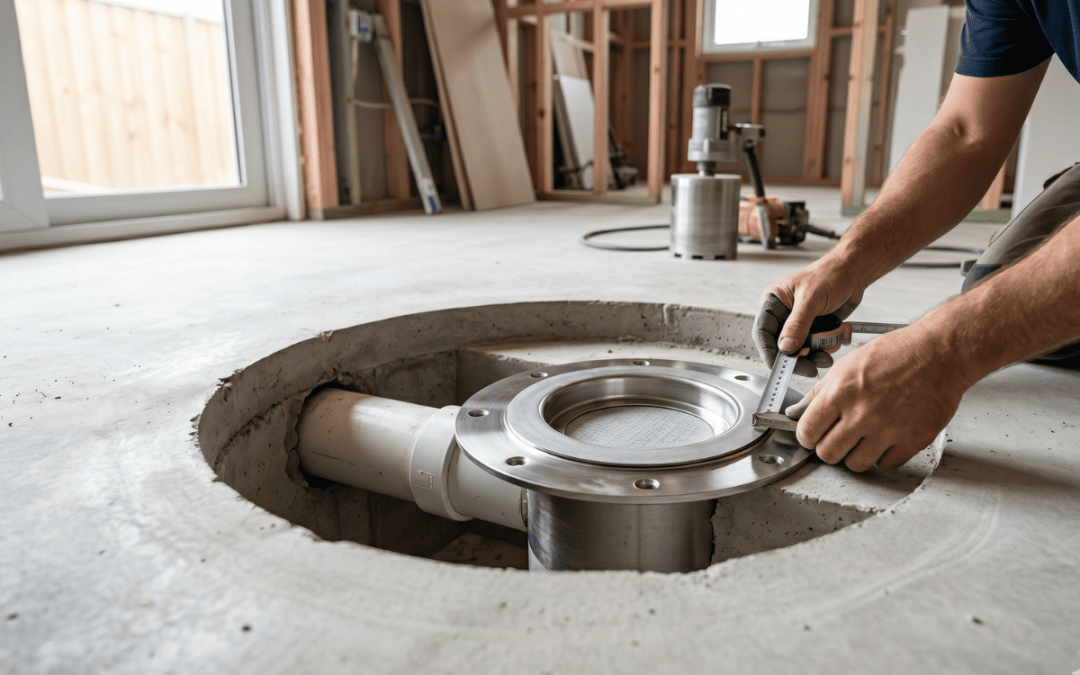
Puddle Flange Over Coring is a plumbing method used to create a clean, accurate connection around a floor waste or drain point, especially in concrete slab work.
Why is Puddle Flange Over Coring important in bathrooms?
It helps support waterproofing, drainage, and a neat finish. In short, it helps the wet area work properly and last longer.
Is Puddle Flange Over Coring suitable for renovations?
Yes, absolutely. It works well in bathroom upgrades, laundry projects, and other wet area renovations where accuracy matters.
Does Puddle Flange Over Coring help prevent leaks?
It can help reduce leak risk when it is installed properly, because it supports a tighter and more controlled drain area connection.
Can I use Puddle Flange Over Coring in a new build?
Yes. It works well in new homes, especially when the project uses a slab and needs a reliable wet area plumbing setup.
Why should I hire a professional for Puddle Flange Over Coring?
Because this is not a job for guesswork. A professional understands alignment, slab conditions, waterproofing needs, and the finish required for a lasting result.