
Concrete Chasing for Plumbing: What to Consider Before Installation
Planning new plumbing in a Melbourne property? Whether you’re renovating a bathroom, updating a kitchen or fitting out a commercial space, getting pipes into the right position can involve more than calling a plumber and picking a tap. You also need to consider how those pipes will run through the building.
That’s where concrete chasing comes in. Cutting channels into concrete can help accommodate plumbing pipes neatly, but the job needs careful planning. Get it right, and you can keep your installation practical and tidy. Rush it, and you could create expensive structural or repair problems.
What Is Concrete Chasing for Plumbing?
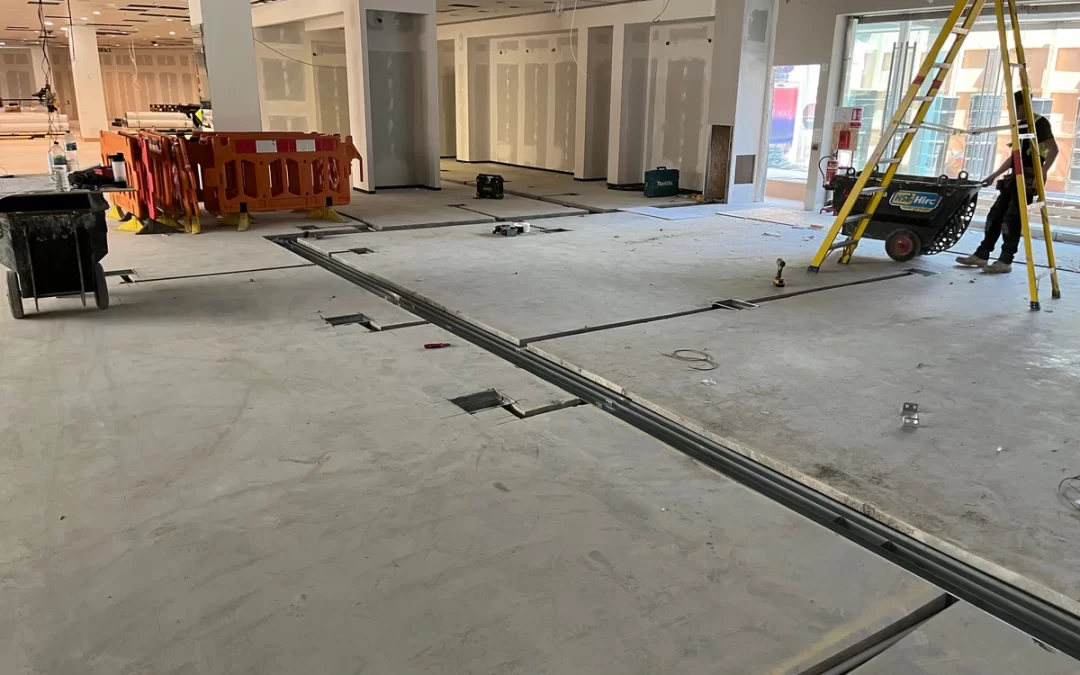
Concrete chasing involves cutting narrow channels into a concrete surface to accommodate pipes, conduits or other services. For plumbing installations, these channels can provide a route for water supply lines and other suitable pipework, depending on the design and applicable requirements.
I always recommend looking at the entire installation before deciding where to cut. The aim isn’t simply to make room for a pipe. You need to consider the existing concrete, pipe dimensions, access for future repairs and the finished surface.
In many renovations, Concrete Chasing can help create a more organised route for building services without leaving pipework exposed across a room. However, the right approach depends on the building structure, the plumbing layout and the depth available.
1. Check the Concrete Before Cutting
Before starting concrete chasing, I would first want to understand what lies beneath the surface. A concrete floor might look like a solid, uncomplicated slab, but its internal structure can include reinforcement, embedded services and other elements that you shouldn’t cut without proper assessment.
This matters particularly in apartments, commercial properties and multi-storey buildings around Melbourne, where the slab may form part of the building’s structural system. Cutting into it without understanding its construction can weaken the concrete or damage important components.
Check these points before work begins:
- Slab type: Determine whether the concrete forms part of a structural floor, a ground-bearing slab or another construction system.
- Reinforcement: Identify any reinforcing bars, mesh or post-tensioning components that could affect the proposed channel.
- Embedded services: Check for existing electrical conduits, water lines and other services.
- Permitted depth: Confirm how much concrete you can safely remove for the intended installation.
I wouldn’t rely on guesswork or the assumption that a shallow cut is automatically safe. If the proposed route affects a structural element, arrange an assessment by a suitably qualified structural engineer before proceeding.
For Victorian building work, consult the Victorian Building Authority for relevant building and plumbing guidance. Confirm the requirements that apply to your particular property and project before work starts.
2. Plan the Plumbing Route and Pipe Dimensions
A good plumbing layout begins on paper, not with a cutting machine. Before cutting channels, I would coordinate the proposed pipe route with the plumber and anyone responsible for the concrete work.
Start by confirming where each pipe needs to begin and end. Then consider bends, connections, fittings and the space required to install and protect the pipework. A route that looks straightforward on a drawing may become awkward when it reaches a doorway, wall junction or existing service.
Pipe diameter also matters. The channel needs enough room for the pipe and any required protective material, while leaving sufficient concrete around it. Cutting an unnecessarily wide or deep groove can create avoidable risks, so I would always confirm the required dimensions before work begins.
Think about the finished floor, too. Tiles, screed, waterproofing and other finishes can affect the available space. In a bathroom renovation, for example, you need to coordinate the plumbing route with floor falls, drainage locations and waterproofing details rather than treating each task as a separate job.
3. Understand Structural Limits and Cutting Depth
One of the most important considerations is how deeply you can cut into the concrete. There isn’t one universal safe depth for every slab. The answer depends on the slab’s thickness, structural design, reinforcement, loading and the position of any embedded services.
For this reason, I wouldn’t set a cutting depth based only on the pipe size. The structural implications matter just as much.
Pay particular attention to suspended concrete floors, post-tensioned slabs and areas around beams, columns or other structural elements. Post-tensioned concrete can contain stressed steel tendons, and cutting into one can cause serious damage and create significant safety risks.
Before approving a route, establish whether you need slab drawings, concrete scanning or engineering advice. If the team cannot confirm the location of critical components, stop and investigate rather than proceeding on an assumption.
The best installation isn’t necessarily the one with the shortest pipe route. It’s the one that meets the plumbing requirements while respecting the building’s structural limits.
4. Control Concrete Dust and Noise
Concrete cutting creates dust, noise and vibration, which can quickly become a problem in occupied homes, apartment buildings and busy commercial spaces. Melbourne renovation projects often involve tight access, nearby residents and limited working hours, so I would include site conditions in the planning process.
Concrete dust can contain respirable crystalline silica, a serious health hazard when workers breathe it in. Dry cutting without suitable controls can release fine particles into the air, where they may remain long after the visible dust settles.
I would expect the contractor to assess the cutting method and use suitable dust suppression or extraction equipment. Wet cutting can help control airborne dust, while appropriate on-tool extraction, suitable respiratory protection and safe work practices may also form part of the control measures. The right combination depends on the equipment, work environment and risk assessment.
Before work begins, discuss how the team will manage:
- Dust migration into adjoining rooms and occupied areas.
- Water runoff and slurry from wet cutting.
- Noise and vibration near neighbouring properties.
- Access restrictions and the safe movement of equipment.
- Cleanup and disposal of concrete waste.
Good site management protects workers and helps prevent a straightforward plumbing job from turning into an unnecessary disruption for everyone nearby.
5. Choose the Right Concrete Chasing Equipment
The equipment can influence the accuracy, speed and quality of the finished channel. However, I wouldn’t choose a cutting method based on speed alone. The concrete type, channel dimensions, site access and dust-control requirements all matter.
Professional contractors can select suitable concrete saws and cutting systems for the job. Before work starts, ask how the equipment will achieve the required dimensions without causing unnecessary damage to the surrounding concrete.
Here’s a quick comparison of the main considerations.
| Consideration | What to check | Why it matters |
| Cutting accuracy | Can the equipment maintain the planned width and depth? | Helps create a suitable channel for the pipework |
| Dust management | Does the method include effective dust controls? | Reduces exposure to harmful airborne particles |
| Site access | Can the equipment reach the work area safely? | Helps avoid delays in confined spaces |
| Slurry management | How will the team collect water and concrete residue? | Keeps the work area safer and cleaner |
| Concrete condition | Is the method suitable for the slab and its reinforcement? | Reduces the risk of unnecessary damage |
6. Coordinate the Work with Your Plumber
Concrete chasing and plumbing installation need to work together. If the cutting team follows an outdated drawing or the plumber changes the pipe route halfway through the job, you could end up with unnecessary cuts, extra repairs and delays.
I would confirm the final plumbing layout before the concrete cutting begins. Both trades should agree on pipe locations, channel dimensions, access points and any restrictions identified during the site assessment.
The sequence matters, too. In a typical project, the team assesses the concrete, identifies existing services, marks the route, completes the approved cutting, prepares the channel, installs the pipework and arranges the appropriate inspection and reinstatement.
However, the exact order can vary depending on the plumbing design and building requirements. Some installations may need additional checks before the team covers the pipework.
Before the channel gets filled, make sure the plumber has checked the installation and completed any required testing. Take photographs of the pipe locations as well. These records can prove useful during future renovations or when someone needs to locate a pipe without cutting into the wrong section of concrete.
7. Plan Waterproofing, Repairs and Floor Finishes
Cutting the channel is only one part of the job. Once the plumbing installation is complete, you also need to restore the affected surface and make sure the finished floor performs as intended.
For bathroom and laundry renovations, waterproofing deserves particular attention. The repair process must suit the substrate, the plumbing installation and the waterproofing system. Simply filling the groove and covering it with tiles doesn’t automatically provide a reliable finish.
I would coordinate the reinstatement with the relevant trades and confirm the required curing times, surface preparation and waterproofing details before the final finish goes down.
Consider these questions before signing off on the work:
- Does the repair material suit the existing concrete and intended floor finish?
- Has the plumber completed the necessary checks and testing?
- Does the waterproofing system require specific preparation or detailing?
- Will the finished surface remain level and suitable for the room?
- Have you recorded the location of the concealed pipes?
A little attention at this stage can save you from lifting tiles or repairing damaged finishes later.
Key Considerations at a Glance
If you’re planning concrete chasing for a plumbing project, use this table to keep the main decisions organised.
| Project stage | Your priority | Who to consult |
| Initial assessment | Identify slab type and existing services | Contractor, relevant specialist |
| Route planning | Confirm pipe size, location and channel dimensions | Licensed plumber, cutting contractor |
| Structural review | Establish safe cutting limits | Structural engineer, where required |
| Site preparation | Manage dust, noise, access and waste | Cutting contractor, site manager |
| Installation | Check pipework and complete required testing | Licensed plumber |
| Final repairs | Restore concrete, waterproofing and finishes | Relevant trades |
Conclusion
Concrete chasing can make plumbing installations neater and more practical, but a successful result starts long before the first cut. You need to understand the concrete, confirm the pipe route, respect structural limits, manage dust and coordinate the plumbing with the final floor finish.
I would always put planning and safety ahead of speed. A carefully assessed channel can help the project run smoothly, while a rushed decision can create expensive repairs and avoidable risks.
Planning a bathroom renovation, kitchen upgrade or commercial plumbing installation in Melbourne? Get in touch with our team to discuss your concrete cutting requirements and find a suitable approach for your project.
Final Thoughts
The smartest concrete chasing job is one that does exactly what’s needed without compromising the building around it. Get the right people involved, confirm the details before work starts and give the finishing stages the same attention as the cutting itself. Your future self and your floor tiles – will thank you.
Frequently Asked Questions
Is concrete chasing suitable for all plumbing installations?
No. It depends on the slab type, pipe requirements, structural limitations and available space. In some cases, running pipes through walls, service cavities or other suitable routes may be more practical. I would compare the options before committing to concrete cutting.
How deep should a concrete chase be for plumbing pipes?
There isn’t a standard depth that suits every installation. The required depth depends on the pipe dimensions, protective requirements, concrete thickness and structural design. A qualified team should confirm the dimensions and permitted cutting depth before work starts.
Can you chase pipes into a reinforced concrete slab?
Sometimes, but reinforcement creates important restrictions. Cutting through reinforcing steel can compromise structural performance, and the risks vary by slab design. Have the proposed route assessed and locate embedded components before authorising any cuts.
Does concrete chasing create a lot of dust?
It can, particularly when workers cut concrete without effective controls. Professional dust suppression, suitable extraction and appropriate work practices help manage exposure. Ask the contractor how they will control silica dust and clean the work area.
Can I install plumbing pipes in a concrete floor during a renovation?
Yes, some plumbing installations can run through appropriately designed concrete floor channels. However, you need to confirm that the route suits the building, complies with applicable requirements and allows for proper pipe installation, testing and surface reinstatement.
Should I hire a plumber or a concrete cutting specialist?
You may need both. A licensed plumber can determine the plumbing layout and installation requirements, while a suitable concrete cutting specialist can assess and carry out the cutting work within the agreed constraints. Clear communication between both trades helps prevent mistakes and unnecessary rework.